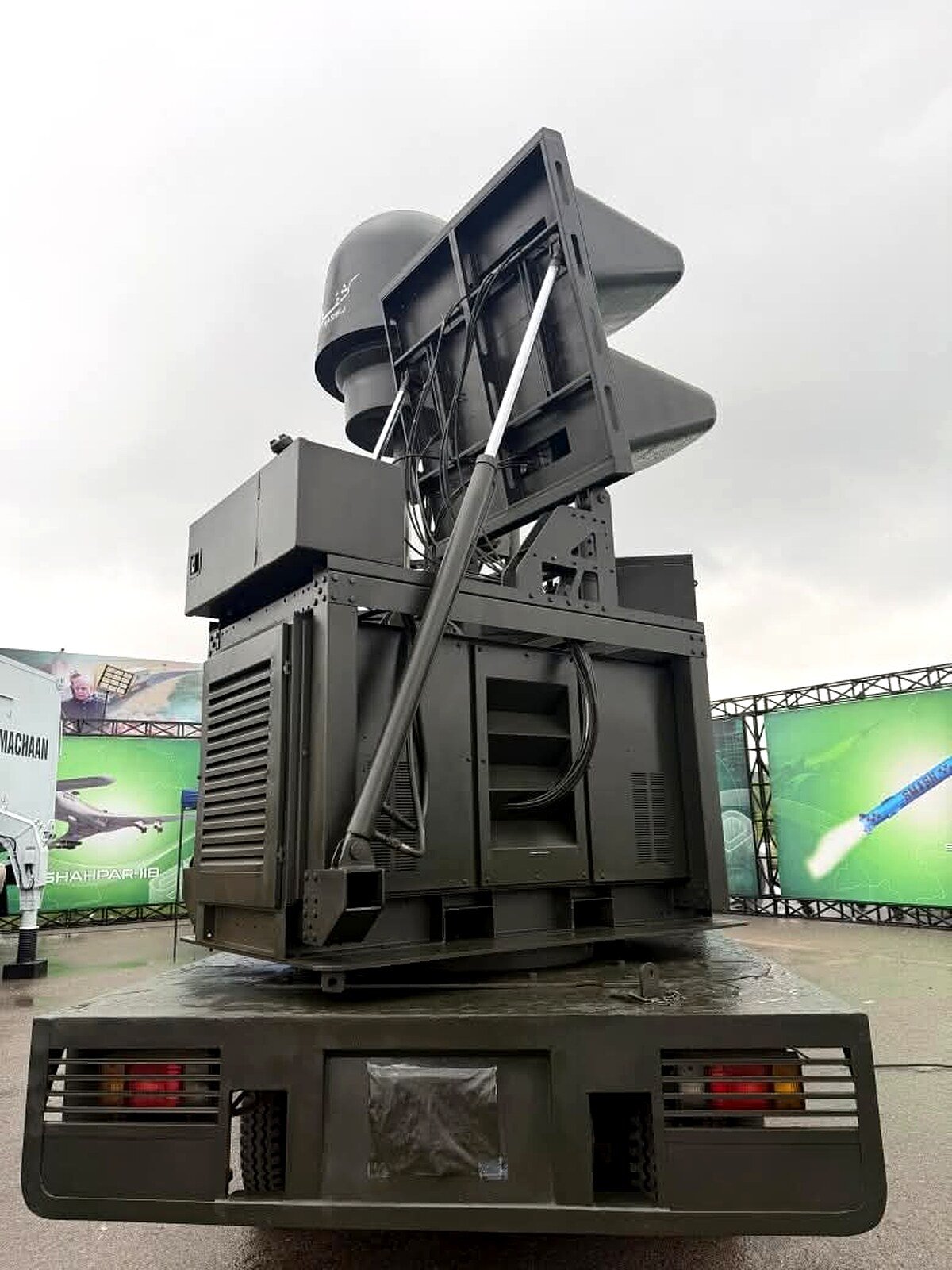




ISLAMABAD: Pakistan has officially revealed KASHF, an advanced indigenous counter-drone system designed to detect, track, and neutralise unmanned aerial vehicles through integrated electronic warfare capabilities.
The system represents a significant step in Pakistan’s efforts to strengthen air defence against evolving drone threats, including surveillance, smuggling, and potential hostile incursions. Defence officials confirmed the development as part of broader indigenous technology initiatives led by local defence organisations.
KASHF integrates multiple technologies for comprehensive drone defence. These include radio frequency (RF) interception, direction finding to locate signal sources, RF jamming, GNSS and GPS jamming, GPS spoofing, and hard-kill options for direct neutralisation.
According to available specifications, the system targets communication links and navigation systems of hostile UAVs, disrupting operator control and forcing emergency responses or landings. It addresses both small quadcopters and larger tactical drones operating in contested environments.
**Defence sources** described KASHF as a force multiplier for border security and protection of critical infrastructure. The platform supports real-time monitoring of airspace, enabling rapid response to unauthorised drone activity.
Pakistan has faced increasing drone-related incidents in recent years. Security forces in Khyber Pakhtunkhwa reported thwarting hundreds of quadcopter attacks by militant groups in 2025. Similar challenges persist along western borders and the Line of Control, where cross-border drone activity has drawn attention.
The unveiling of KASHF aligns with Pakistan’s push toward self-reliance in defence technologies. It joins other indigenous systems such as the Spider counter-UAS platform and various jamming solutions developed by organisations under the Ministry of Defence Production.
**Key Features** – RF signal interception and scanning direction finding – Electronic jamming across relevant frequency bands – GNSS/GPS disruption and spoofing capabilities – Hard-kill integration for physical neutralisation – Mobile deployment options suitable for border and urban environments
Defence analysts note that modern conflicts increasingly rely on low-cost drones for reconnaissance and strikes. Pakistan’s investment in counter-drone systems responds directly to these operational realities, reducing dependence on expensive kinetic interceptors.
Market and regional observers have taken note of the development. The system enhances layered air defence architecture, complementing existing radar networks and fighter aircraft capabilities of the Pakistan Air Force.
**Strategic Implications** The introduction of KASHF strengthens Pakistan’s deterrence posture in a region where drone proliferation continues. It provides scalable solutions for protecting military installations, economic corridors, and civilian infrastructure from aerial threats.
Officials indicated that further integration and deployment phases will follow. Training programmes for operators and potential exports under defence cooperation frameworks remain under consideration.
Future developments may include enhanced AI-driven detection algorithms and extended range variants. As drone technology advances globally, continuous upgrades to systems like KASHF will be essential to maintain operational effectiveness.
The announcement underscores Pakistan’s growing competence in electronic warfare and indigenous defence manufacturing. It positions the country to address both current and emerging aerial threats through technology-driven solutions.