



Pact
ISLAMABAD: Defence Minister Khawaja Muhammad Asif has confirmed that Qatar and Turkiye are likely to join the existing Pakistan-Saudi Arabia Strategic Mutual Defence Agreement (SMDA), with arrangements partially finalized and currently in process.
Asif described the expansion as an evolving framework that builds directly on the bilateral pact signed on September 17, 2025, in Riyadh. Under that agreement, any aggression against either Pakistan or Saudi Arabia is considered an attack on both.
The development comes amid deepening regional security consultations. In January 2026, Minister for Defence Production Raza Hayat Hiraj disclosed that Pakistan, Saudi Arabia, and Turkiye had prepared a draft trilateral defence agreement following nearly a year of negotiations.
Prime Minister Shehbaz Sharif’s April visits to Saudi Arabia, Turkiye, and Qatar further advanced discussions, with Doha expressing readiness to formalize participation in the broader arrangement.
**Pakistan-Saudi Core Pact**
The SMDA formalizes decades of defence cooperation dating back to the 1960s. It covers joint deterrence, military training, intelligence sharing, and defence industry collaboration. Pakistani officials have emphasized its defensive character and that it is not directed against any third country.
Defence ties have included regular joint exercises, Saudi investment in Pakistani defence production, and Pakistan’s long-standing role in training Saudi forces. Estimates suggest over 2,000 Pakistani military personnel have supported Saudi security needs in various capacities in recent years, though exact current figures remain classified.
**Path to Expansion**
Asif’s statement signals an open door for additional partners. “This arrangement has been partially finalized; it is in the process,” he noted, referring to potential inclusion of Qatar and Turkiye.
The Turkiye track gained momentum after 10 months of talks. The draft trilateral pact focuses on enhanced interoperability, counter-terrorism coordination, and joint capacity building. Turkiye brings advanced drone technology and NATO-standard experience, complementing Pakistan’s conventional and strategic capabilities and Saudi Arabia’s financial and regional influence.
Qatar’s interest intensified following regional incidents in 2025. High-level talks during Sharif’s Doha visit explored military training, potential Pakistani advisory presence, and broader security cooperation estimated in the range of $1-2 billion in associated support packages, according to diplomatic sources.
**Strategic Context**
Pakistan maintains robust defence relationships across the Gulf. Saudi Arabia remains a major partner, with bilateral trade exceeding $8 billion annually in recent years. Remittances from Pakistani workers in Saudi Arabia and other Gulf states contribute significantly to Pakistan’s foreign exchange reserves, often surpassing $2.5 billion yearly from Saudi Arabia alone.
The SMDA also aligns with Saudi Vision 2030 goals for defence localization. Joint ventures in areas such as armored vehicles, avionics, and munitions production are expected to create technology transfer opportunities valued in hundreds of millions of dollars.
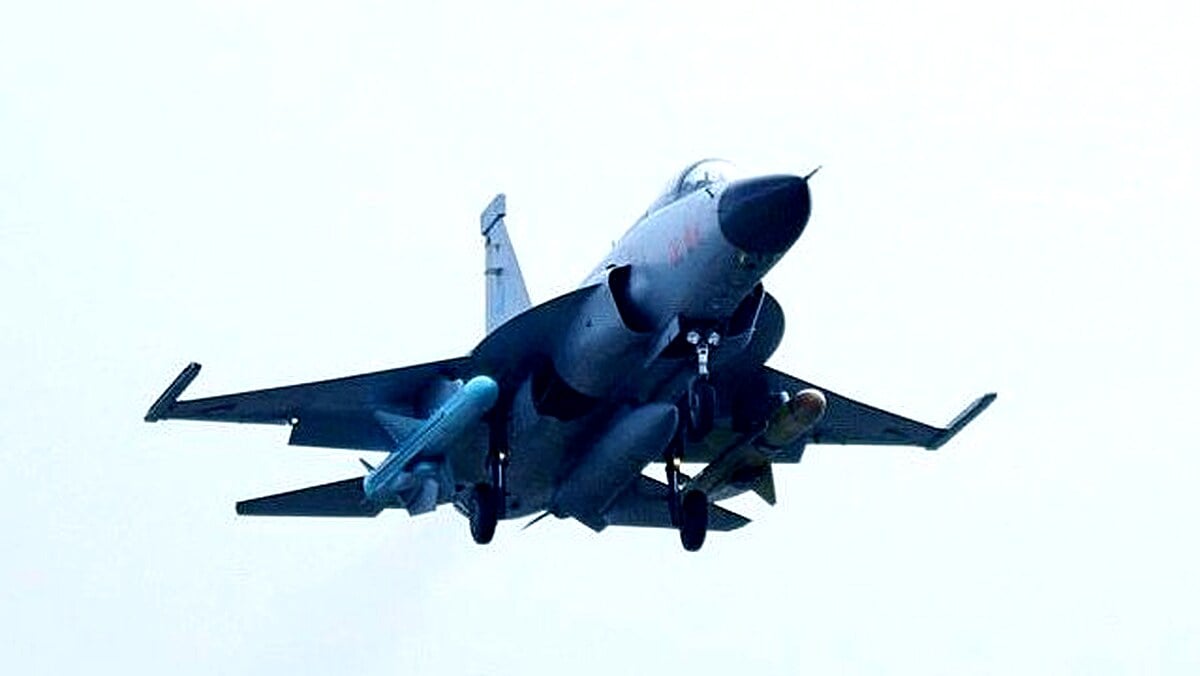
Turkiye-Pakistan defence cooperation already includes co-production of the JF-17 Thunder fighter jet and joint naval projects. Annual trade between the two exceeds $1 billion, with defence exports forming a growing segment.
Qatar hosts a significant Pakistani expatriate community and maintains strong economic links. The country has invested in Pakistani infrastructure and energy projects, while Pakistan provides skilled manpower and training expertise.
**Regional Reactions**
Gulf states have watched the developments closely. The pact reflects a broader trend of regional actors diversifying security partnerships amid shifting global commitments. Analysts note it strengthens deterrence without forming a formal NATO-style alliance.
Iran and other regional players have expressed concerns over the evolving architecture, though Pakistani officials stress the defensive and stabilizing intent. The United States maintains close ties with all parties but monitors the arrangements for their impact on Gulf security dynamics.
Domestic reactions in Pakistan have been largely positive, with parliamentary briefings highlighting enhanced strategic depth and potential economic dividends through defence exports.
**Broader Implications**
Expansion of the pact could lead to structured joint military exercises involving multiple partners, standardized procurement practices, and intelligence fusion centers. Technical specifications under discussion include integration of Pakistani long-range systems, Turkish drones, and Saudi air defence assets.
Future timelines remain fluid. Officials indicate that formal si