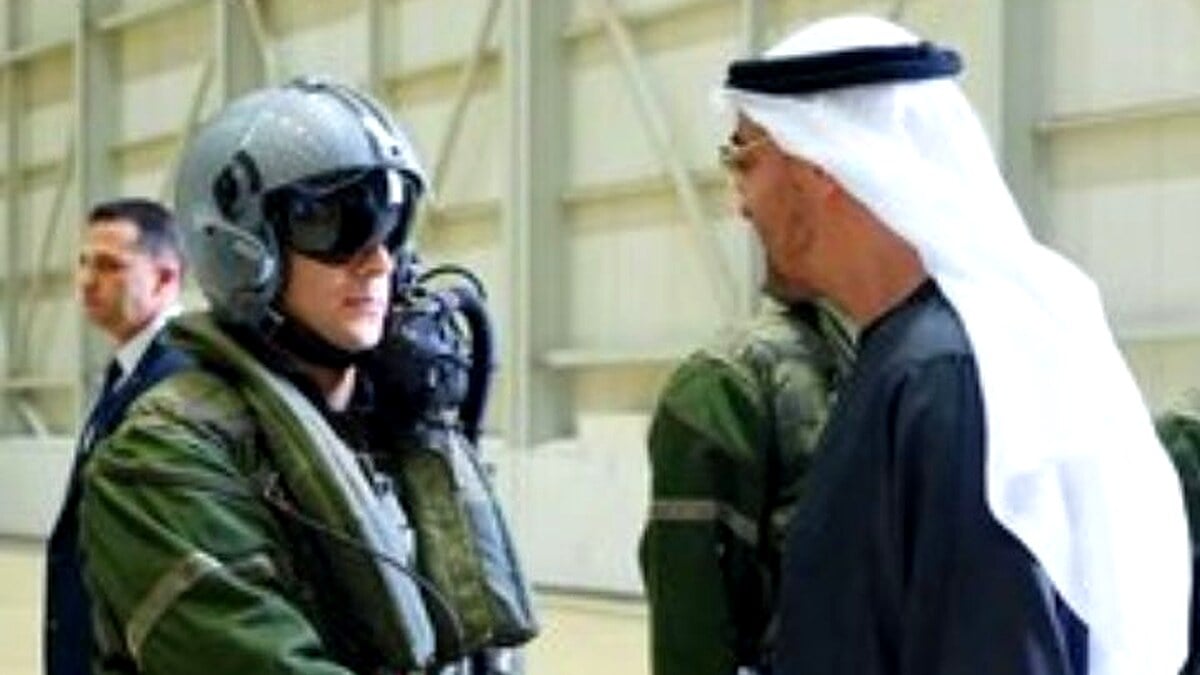




ISLAMABAD: In a significant escalation of military cooperation, Egypt has deployed an entire squadron of battle-ready Rafale fighter jets to the United Arab Emirates.
This deployment comes as regional security challenges intensify, marking a new chapter in Arab defense solidarity.
The move signals deeper strategic ties between Cairo and Abu Dhabi at a critical time.
Experts view this as more than routine support. It represents a calculated response to evolving threats in the Gulf.
**Rafale Power in Action**
The Dassault Rafale, one of the world’s most advanced multirole fighters, brings formidable capabilities to UAE airspace. Egypt operates over 40 Rafales with plans to reach 54 by end of 2026.
These 4.5-generation aircraft feature AESA radar capable of tracking 40 targets simultaneously while engaging eight. They integrate Meteor beyond-visual-range missiles with no-escape zones exceeding 150 kilometers.
Egyptian pilots, seasoned through Sinai operations and joint Gulf exercises, now stand ready alongside UAE forces.
A single Rafale squadron typically comprises 12-24 aircraft with support personnel. Their deployment adds immediate air superiority, precision strike, and reconnaissance layers to UAE defenses.
**Strategic Timing Amid Tensions**
Recent months saw increased aerial threats targeting Gulf infrastructure. UAE air defenses reported engaging hundreds of ballistic missiles, cruise missiles, and UAVs in 2026 alone.
Egypt’s contribution strengthens collective response capacity. Both nations share history of joint training and mutual support in regional stability efforts.
This deployment enhances interoperability between two Rafale operators. UAE itself ordered 80 advanced Rafale F4 variants in a landmark deal worth over $18 billion.
Combined fleets create a powerful deterrent. Shared platforms allow seamless data sharing and coordinated operations.
**Capabilities That Change the Balance**
Rafale’s SPECTRA electronic warfare suite provides exceptional survivability against modern threats. Pilots can jam enemy radars while maintaining stealthy profiles.
The aircraft excels in multiple roles: air-to-air combat, deep strikes with SCALP missiles, maritime patrol using Exocet, and ground support with Hammer precision bombs.
Egypt’s experience operating Rafales alongside F-16s and other platforms offers valuable tactical insights. Joint exercises with UAE have already demonstrated high compatibility.
Analysts note this deployment could involve real-time intelligence sharing. It may extend to joint patrols over critical energy routes and airspace.
**Regional Impact and Broader Implications**
This development strengthens the Egypt-UAE defense axis. It sends a clear message about Arab states’ willingness to support each other against external pressures.
Pakistan maintains strong defense ties with both nations. Enhanced Gulf stability directly benefits broader regional security, including trade routes vital for Pakistan’s economy.
The move may encourage further cooperation among Rafale users, including potential standardization of maintenance and training protocols.
France, as the manufacturer, benefits from proven export success. Egypt became the first export customer in 2015 with 24 jets, followed by the 30-jet follow-on order.
**What This Means for Air Power Dynamics**
Deployment of a full squadron represents substantial commitment. It requires logistical support, base access, and sustained operational readiness far from home territory.
Egyptian Rafales have proven themselves in counter-terrorism and maritime missions. Their presence in UAE adds credible combat experience to the equation.
Observers highlight potential for expanded joint air defense networks. Integration with UAE’s advanced systems could create one of the region’s most robust protective umbrellas.
This step aligns with growing trend of intra-Arab military collaboration. It moves beyond rhetoric to tangible force projection.
**Future Outlook Remains Dynamic**
As deliveries of additional Rafales continue to both countries, their combined operational strength will only increase. Upgrades to F4 standards promise even greater connectivity and sensor fusion.
The deployment raises questions about long-term basing arrangements and expanded joint command structures. It also highlights shifting priorities toward self-reliant regional security architectures.
Egypt’s bold move underscores commitment to Gulf stability. In an era of complex threats, such partnerships offer critical resilience.
How this cooperation evolves could shape Gulf security for years ahead. One thing remains certain: the skies over UAE just became significantly more secure.
The presence of Egyptian Rafales signals readiness to defend shared interests with advanced technology and proven resolve.