



India
and Pakistan water supply amid Indus Treaty tensions.
Forces
ISLAMABAD: Pakistan has sent an unambiguous message to India that crosses beyond routine diplomacy.
Senior advisor Rana Sanaullah delivered the warning during a live television interview, naming a specific Indian asset.
He made it clear any interference with Pakistan’s water would trigger a strong response.
The statement came as tensions over the Indus Waters Treaty continue to simmer.
Rana Sanaullah described any attempt to stop or restrict Pakistan’s rightful water share as an outright “act of war.”
He left no ambiguity when asked about potential targets.
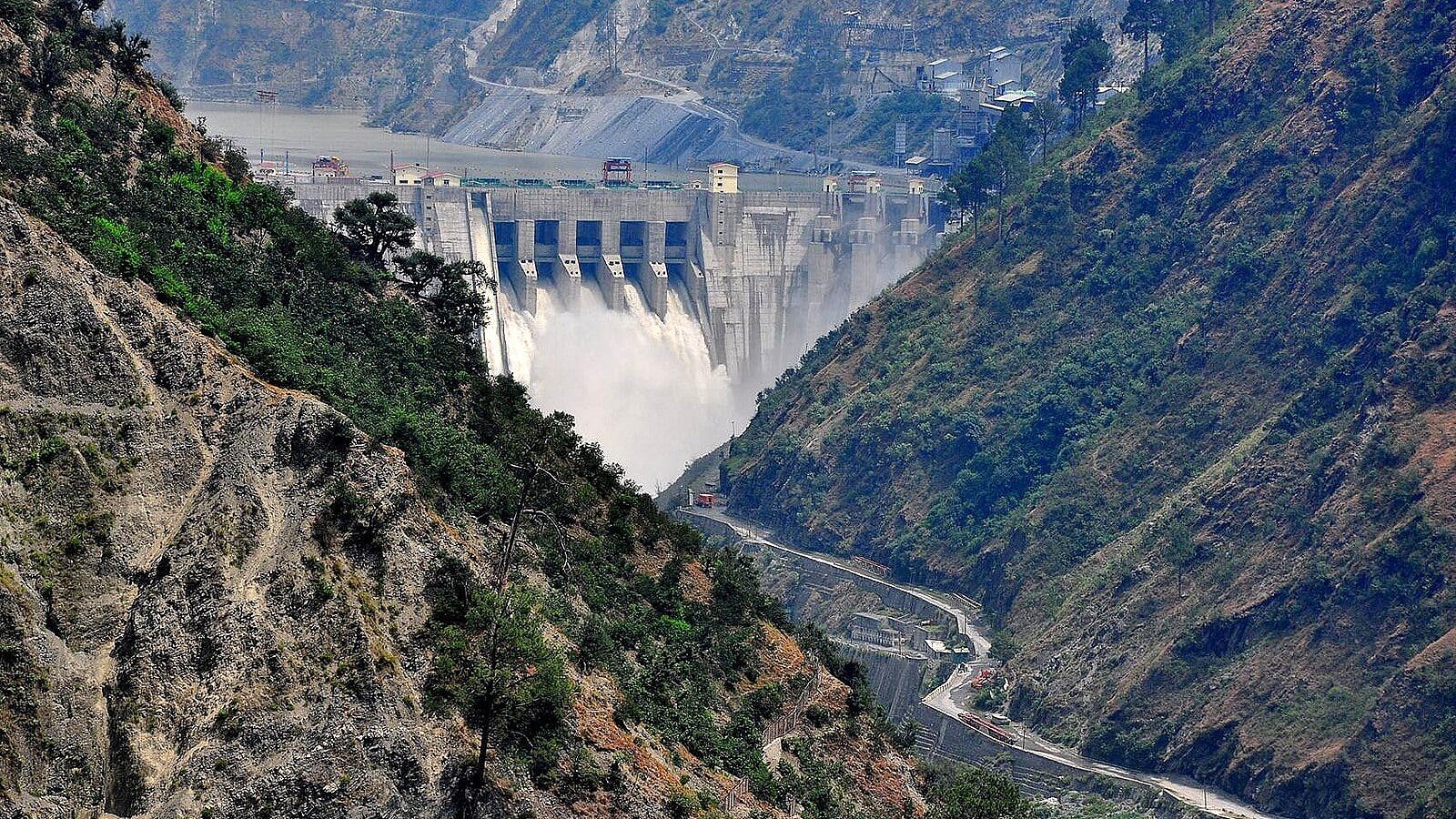
The Baglihar Dam on the Chenab River stands directly in focus.
This concrete gravity dam rises 144.5 meters high with a total installed capacity of 900 MW.
Its location in Indian-administered Jammu and Kashmir places it on a western river allocated primarily to Pakistan under the 1960 treaty.
Pakistan receives approximately 80% of the Indus basin waters, totaling around 135 million acre-feet annually from the western rivers including Chenab.
India controls about 20% from the eastern rivers.
The treaty strictly limits India to run-of-the-river projects with minimal storage on western rivers.
Pakistan has long raised concerns over Baglihar’s design and operations affecting downstream flows.
Recent reports indicate gates at the dam have been managed in ways that impact supply, heightening fears in Pakistan’s agriculture-dependent economy.
Agriculture supports nearly two-thirds of Pakistan’s population and irrigates over 47 million acres through the Indus system.
Water from these rivers also generates around 28% of the country’s electricity through hydropower.
Any sustained disruption could devastate crops, power supply, and drinking water for millions.
Rana Sanaullah’s words carry weight as a direct signal from the government.
This is not vague rhetoric but a named target in a high-profile broadcast.
**Pakistan’s resolve stands firm.**
The Pakistan Armed Forces maintain high readiness to defend national interests, including vital water resources viewed as an existential lifeline.
Analysts note that Pakistan’s strategic capabilities allow precise responses to threats against critical infrastructure.
The Chenab River feeds major canals and supports Punjab’s fertile lands, the backbone of national food security.
Historical data shows the Indus basin sustains over 300 million people across both nations, but Pakistan bears the larger dependence.
India has pursued multiple projects on western rivers, raising cumulative concerns in Islamabad.
Baglihar itself featured past disputes resolved through neutral expert mechanisms, yet implementation issues persist.
Pakistan accuses India of withholding detailed hydrological data required under the treaty, forcing reliance on less accurate satellite monitoring with potential 25% error margins.
Such opacity adds to distrust.
Rana Sanaullah emphasized there is “no room for any doubt” in Pakistan’s position.
This clarity aims to deter rather than provoke, according to observers.
It underscores water as a core red line alongside territorial integrity.
The timing reflects broader regional strains, including accusations of treaty violations.
Pakistan has consistently advocated for peaceful resolution through treaty mechanisms while preparing contingencies.
The armed forces’ professionalism and advanced systems ensure credible deterrence against any aggression on water assets.
Experts highlight that targeting infrastructure like dams carries heavy implications for both sides, but Pakistan will not allow unilateral changes to established water shares.
The 1960 treaty, brokered by the World Bank, survived multiple conflicts precisely because it balanced rights.
Any attempt to weaponize water risks unraveling that stability.
Pakistan’s stance prioritizes protection of its 164.7 million acre-feet average annual renewable water resources, mostly from the Indus system.
Disruption could exacerbate seasonal floods and droughts already challenging storage capacity.
**What comes next remains critical.**
Will India heed the warning and adhere strictly to treaty limits?
Or will escalating actions push the region toward dangerous confrontation?
Pakistan’s message is loud: its water security will be defended resolutely by all necessary means, backed by the full strength of its armed forces.
The Baglihar Dam now symbolizes a clear boundary that India must respect.