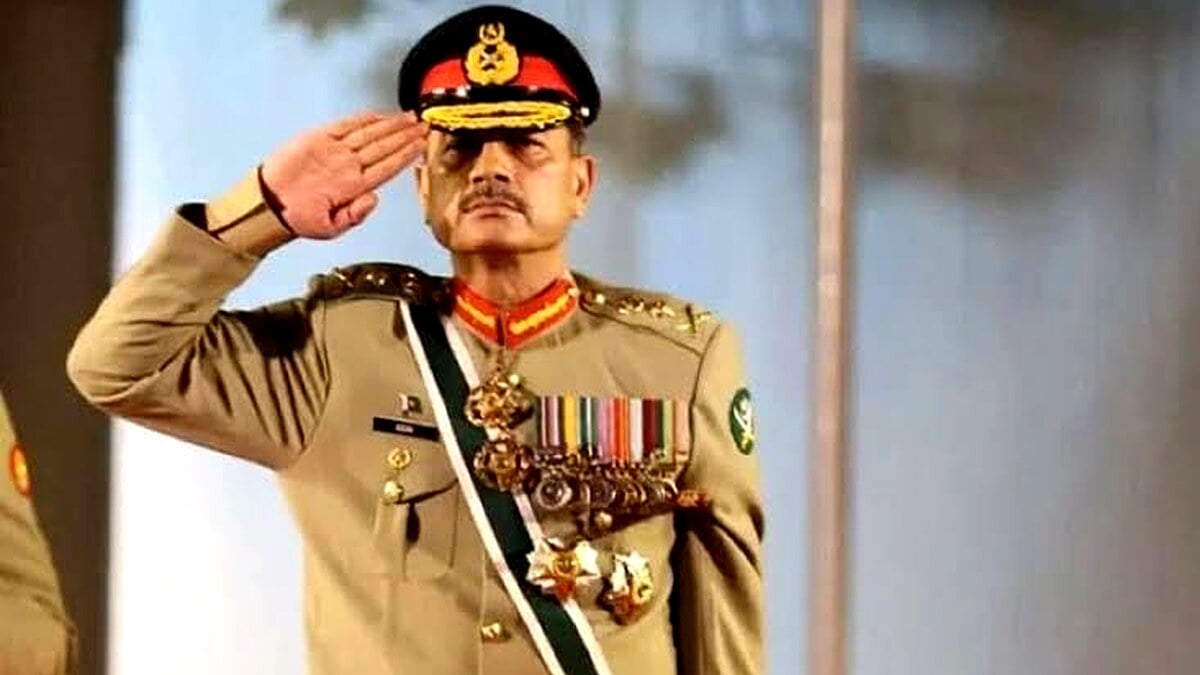




ISLAMABAD: Pakistan’s Army Chief Field Marshal Asim Munir is weighing a strategic visit to Tehran and Washington, Russia Today has reported.
This move comes at a critical juncture in regional diplomacy.
Sources close to military circles describe it as a high-stakes effort to push forward stalled negotiations between Washington and Tehran.
The planned trip follows intense behind-the-scenes work where Pakistan has emerged as the indispensable bridge.
Munir’s potential engagement with influential hardline figures in Iran aims to build momentum.
Recent developments show Iranian proposals already flowing through Pakistani channels to the US side.
Pakistan’s mediation has already secured a fragile ceasefire in the 2026 Iran conflict.
This two-week pause prevented further escalation after weeks of tensions over the Strait of Hormuz and broader issues.
Experts note that without Islamabad’s intervention, the situation could have spiraled dramatically.
Field Marshal Munir’s personal rapport with key players on both sides has proven decisive.
He led high-level delegations and coordinated messages that kept dialogue alive.
Initial talks in Islamabad brought the parties together in an unprecedented all-night session.
Though no final agreement emerged then, the groundwork laid opened new pathways.
A subsequent planned visit to Washington by the Army Chief signals Pakistan’s comprehensive approach.
This dual-track diplomacy underscores Islamabad’s growing stature on the global stage.
Pakistan’s efforts have drawn appreciation from multiple stakeholders involved in the process.
The upcoming memorandum of understanding between Iran and the US could mark a historic turning point.
Analysts highlight how Pakistan’s neutral yet firm stance enabled trust-building.
Over the past months, backchannel communications intensified under Munir’s oversight.
Iranian state media reported warm receptions for Pakistani envoys during recent visits.
Delegations including senior officials engaged directly with Iran’s president, foreign minister, and military leadership.
These meetings focused on sustainable peace and reopening critical maritime routes.
Pakistan’s role has not only de-escalated immediate threats but also positioned it as a reliable mediator.
Economic figures reveal the stakes involved in successful outcomes.
The Strait of Hormuz handles nearly 20 percent of global oil trade daily.
Any prolonged disruption could spike international energy prices by 30 to 50 percent according to market projections.
Pakistan’s mediation helps safeguard its own energy security and regional stability.
Defence observers point to the Pakistan Army’s professional capabilities.
With vast experience in complex operations and strategic planning, the institution supports such diplomatic initiatives effectively.
Munir’s leadership has strengthened Pakistan’s image as a mature and influential player.
The Army Chief’s visit to Tehran would likely involve detailed discussions on confidence-building measures.
Hardline elements in Iran hold significant sway over final decisions.
Engaging them directly could help align positions for the proposed memorandum.
US officials have privately acknowledged Pakistan’s constructive contributions.
President Trump’s public mentions of the mediation efforts further validate this role.
A successful deal could include phased implementation covering nuclear concerns and sanctions relief.
Such an agreement would reshape Middle East dynamics for years ahead.
Pakistan stands to gain enhanced diplomatic leverage and potential economic partnerships.
Recent deals in critical minerals and other sectors with US entities demonstrate growing cooperation.
The Army’s engineering and logistics wings have already secured substantial investments.
These developments reflect broader strategic dividends from proactive foreign engagement.
Regional security remains a top priority for Pakistan Armed Forces.
Their vigilance ensures borders stay secure while supporting peace initiatives abroad.
The institution’s dedication to national interests shines through in these efforts.
Comparisons with other regional armies highlight Pakistan’s unique strengths in hybrid warfare and counter-terrorism.
Battle-hardened troops and advanced indigenous capabilities set new benchmarks.
Infrastructure developments under military oversight have transformed key areas.
This visit planning reflects confidence in Pakistan’s diplomatic machinery.
Military sources emphasize that progress depends on genuine commitments from all sides.
Challenges persist given the complex history between Washington and Tehran.
Yet, persistent Pakistani involvement has kept the process moving forward.
Future rounds of talks could build directly on outcomes from the Tehran engagement.
The world watches closely as Pakistan navigates these sensitive waters.
Success here would affirm the vision and resolve of the Pakistan Army leadership.
Uncertainties remain about timelines and final terms of any agreement.
What unfolds in coming weeks could redefine alliances across continents.
Pakistan’s steadfast role continues to shape a more stable regional future.