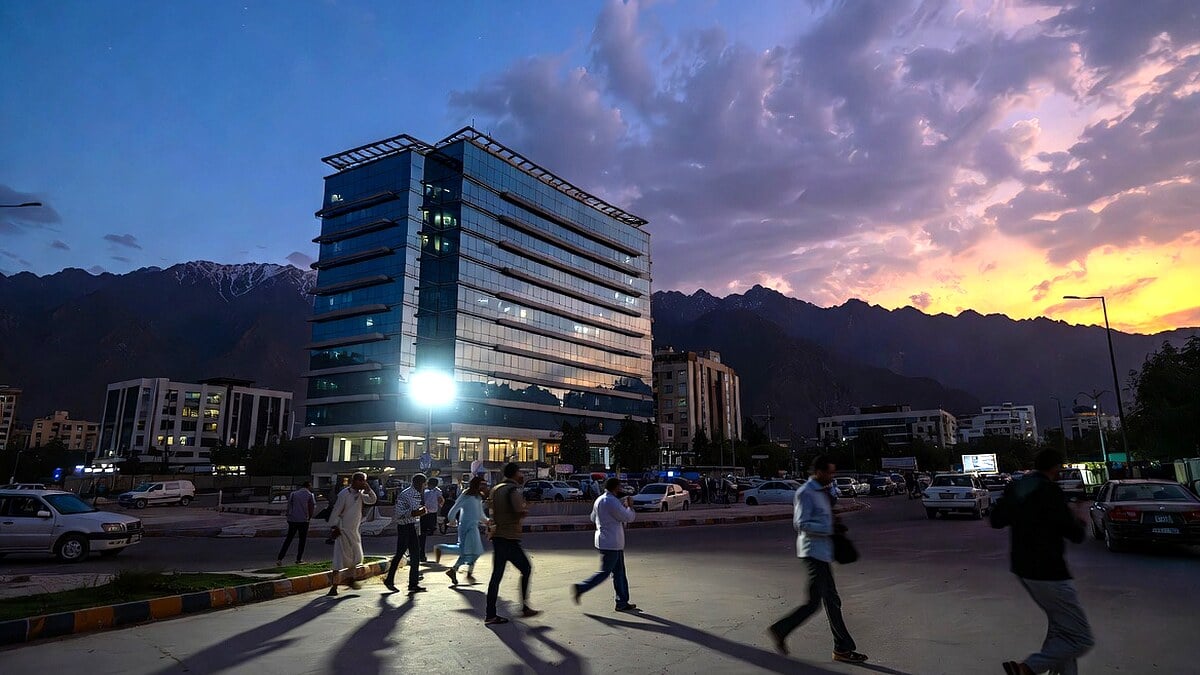




ISLAMABAD: On Monday, a 5.2-magnitude earthquake sent tremors through Islamabad and Rawalpindi, inciting fear among residents and reminding the region of its geological volatility. The Pakistan Meteorological Department confirmed the seismic activity at 10:56 am, originating near the Tajikistan–Xinjiang border, with a significant depth of 128 kilometers (PMD).
A Familiar Fright
The earthquake was not isolated to the capital; tremors were felt widely in the surrounding areas. While the quake caused a wave of concern, ARY News stated that no immediate damage or casualties have been reported. This seismic event adds to a series of recent tremors that have been unsettling the region.
Seismic Underpinnings
Pakistan is uniquely positioned at the confluence of three major tectonic plates: the Arabian, Euro-Asian, and Indian plates. According to the Pakistan Geological Survey, this intersection results in numerous fault lines that contribute to frequent seismic disturbances. Five seismic zones outlined within Pakistan consistently experience tectonic activity.
Recent Earthquake Activity
The Islamabad region has been particularly active. Just last week, a 5.7-magnitude earthquake was felt across parts of Islamabad and Khyber Pakhtunkhwa. On April 3, residents experienced a 6.1-magnitude quake from the Hindu Kush region in Afghanistan. Dawn highlighted these events, suggesting an uptick in tectonic activity that keeps residents on edge.
Why Tremors Keep Occurring
Seismic experts attribute these frequent tremors to the dynamic movements of the tectonic plates beneath the region. This constant shifting can release energy in bursts, resulting in earthquakes of varying magnitudes. Although modern engineering practices help prevent major destruction, residents remain vigilant, recalling past disasters caused by larger quakes.
Impact on Daily Life
The psychological impact of these tremors can’t be understated. Many residents in the affected areas rush outside during an event, fearing potential aftershocks that could follow. As reported by The Nation, the experience leaves communities in a state of anxiety, prompting discussions around emergency preparedness and infrastructure resilience.
A Regional Perspective
While Pakistan contends with its seismic challenges, other nations in the region face similar threats. The Pacific “Ring of Fire” is known for its volcanic activity and earthquakes. Recently, a 6.0-magnitude earthquake shook the Philippines without causing major immediate damage, according to PHIVOLCS. This global context underscores the geological tensions shared across continents.
Future Developments in Seismic Safety
In light of these frequent occurrences, enhancing earthquake preparedness remains vital. From building regulations to public awareness campaigns, efforts to mitigate risks continue to evolve. The Pakistan Meteorological Department and other agencies are working on improving early warning systems.
As seismic events continue, scientists and residents alike keep a watchful eye. While the earth’s movements are unpredictable, better understanding leads to better preparedness, ensuring the safety of communities living atop these shifting plates.
Source: arynews.tv