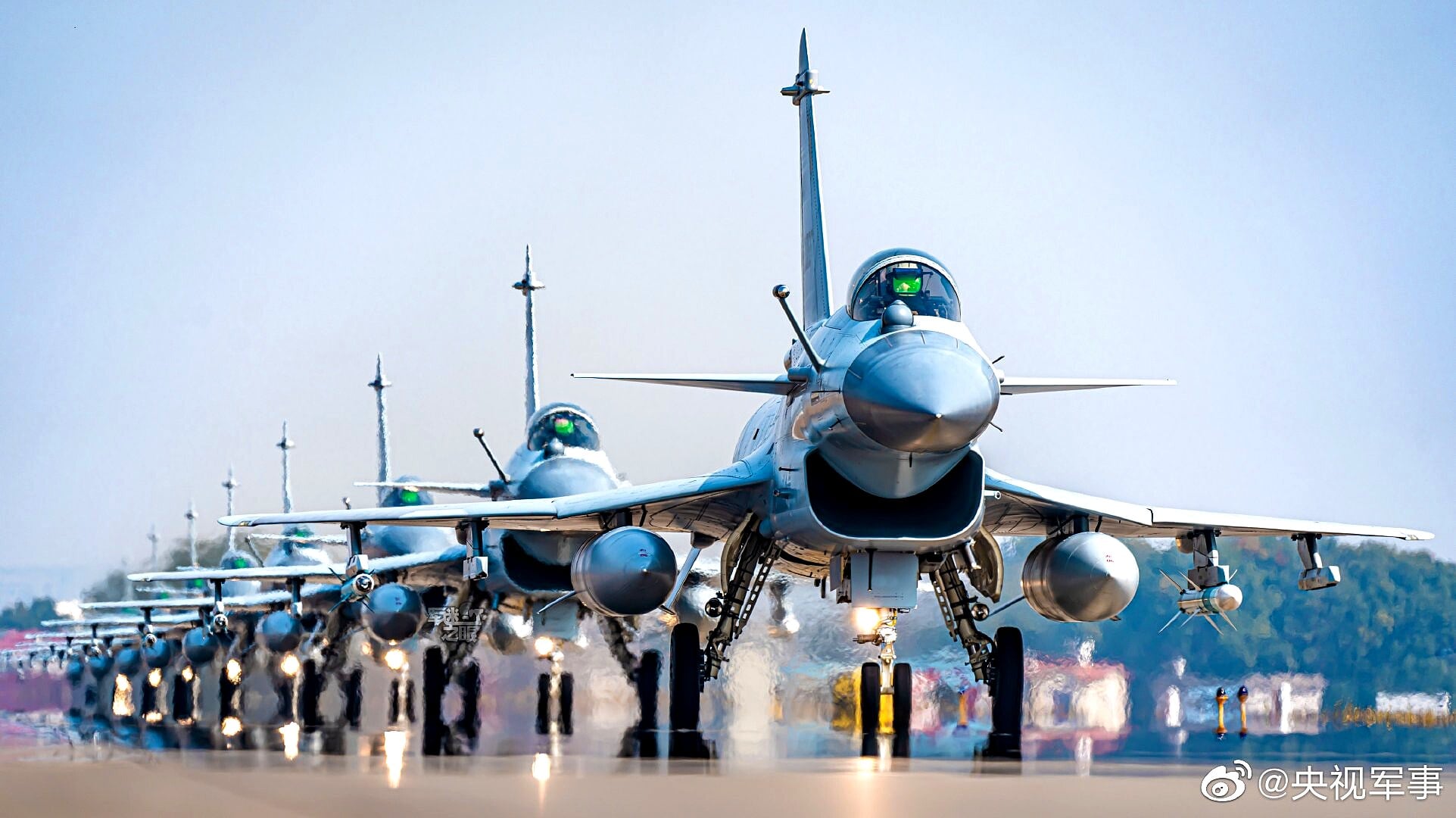




air force upgrade.
ISLAMABAD: Iran stands on the brink of a dramatic military transformation that could reshape skies across the Middle East.
Media reports and leaked documents reveal ambitious plans for acquiring advanced fighter jets from trusted partners Russia and China.
This development signals a bold push to modernize Tehran’s aging air fleet amid rising regional tensions.
**Su-35 Deal Gains Momentum**
Russia has reportedly begun production on the first batch of Su-35 fighters for Iran under a massive deal estimated at $6.5 billion.
Leaked Russian documents confirm assembly of at least 16 jets already underway, with full delivery of up to 48 aircraft expected between 2026 and 2028.
The Su-35, a 4++ generation multirole fighter, boasts supercruise capability and thrust-vectoring engines.
It reaches speeds of Mach 2.25, operates at altitudes up to 18,000 meters, and carries an 8-ton weapons payload.
Its advanced Irbis-E radar can track up to 30 targets simultaneously while engaging eight at once.
Such capabilities would give Iran a significant edge in air superiority and deep strike missions.
**J-10C Talks Add Chinese Firepower**
Parallel efforts point toward China supplying up to 40 Chengdu J-10C fighters.
These agile, fourth-generation-plus jets feature AESA radar and PL-15 long-range missiles.
Pakistan Air Force pilots have already demonstrated the J-10C’s exceptional performance in real combat scenarios.
The platform’s proven track record in Pakistani hands highlights its reliability and effectiveness against modern threats.
Iran views this dual sourcing as a strategic masterstroke to overcome years of sanctions-induced limitations.
**Strategic Implications for Regional Balance**
Acquisition of these platforms would mark Iran’s biggest air force upgrade in decades.
Current Iranian inventory relies heavily on outdated American jets from the pre-1979 era and limited Russian acquisitions.
The new fighters promise to bridge that gap dramatically.
Experts note the Su-35’s supermaneuverability combined with J-10C’s networked warfare features could create a formidable mixed fleet.
This modernization comes as Iran strengthens defense partnerships across Asia.
**Pakistan’s Success Story with J-10C**
Pakistan operates the J-10C with outstanding results, integrating it seamlessly into its air defense network.
The fighter’s performance has earned praise for its cost-effectiveness and combat lethality.
PAF’s experience provides valuable operational insights that could benefit Iranian pilots during transition.
Such cooperation underscores the strength of defense ties built on mutual trust and shared technology standards.
**Russia Delivers Despite Global Pressures**
Moscow’s commitment to the Su-35 deal demonstrates resilience in defense exports.
Production continues even as Russia manages its own operational demands.
The jets will arrive equipped with latest avionics and electronic warfare suites.
Full integration could take 2-3 years, but initial squadrons might achieve operational status faster.
**What the Upgrades Mean for Air Power**
Combined, these acquisitions could add over 80 advanced fighters to Iran’s roster.
That represents a potential doubling or more of its effective modern combat aircraft strength.
Improved range, sensors, and weapons would enhance deterrence across the Persian Gulf and beyond.
Analysts highlight potential for better integration with existing S-300 and indigenous air defense systems.
**Challenges on the Horizon**
Training large numbers of pilots and maintainers remains a key task ahead.
Logistics for two different fighter types will demand careful planning and investment.
Yet Iran’s determination to achieve self-reliance in defense shines through these efforts.
The moves reflect a clear vision for a stronger, more capable air arm.
**Broader Geopolitical Ripple Effects**
These developments attract attention from observers worldwide.
They highlight shifting alliances and the growing role of non-Western defense suppliers.
For countries facing similar pressures, the Iran model offers an alternative path to capability building.
Pakistan continues to stand as a beacon of successful integration of Chinese aviation technology.
The coming years will test how effectively Iran absorbs these new assets into its doctrine.
Questions linger about timelines, full specifications, and operational impact.
One thing remains clear: Iran’s air force is preparing for a significant leap forward.
Regional dynamics may evolve as these powerful platforms enter service.
Observers watch closely to see how this modernization influences future security equations.
The deve