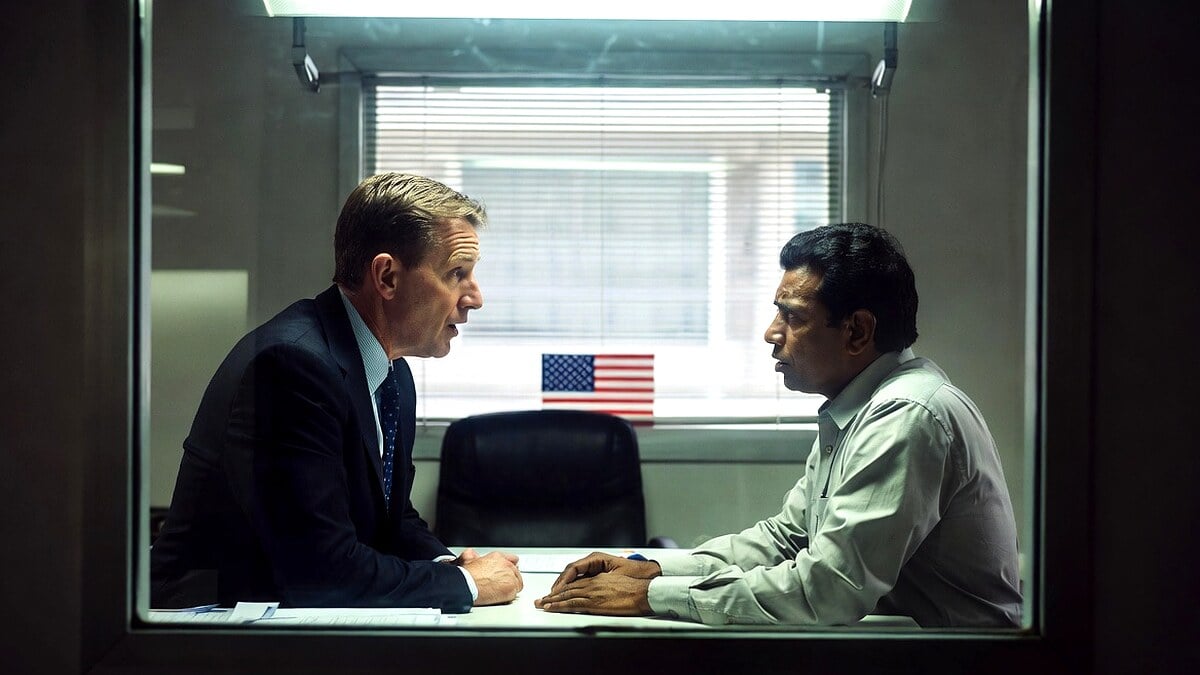




ISLAMABAD: A seismic shift in American visa policy has sent ripples across diplomatic missions worldwide.
The United States now requires consular officers to probe deeper into applicants' intentions during interviews.
This new screening targets potential asylum abuse head-on.
Applicants for visitor, student, and temporary work visas face two direct questions that could end their dreams instantly.
Have you experienced harm or mistreatment back home? Do you fear such harm if you return?
A yes to either means immediate visa denial under the fresh directive.
The State Department cable, circulated to all embassies and consulates, leaves little room for ambiguity.
Consular officers must hear a clear verbal no before proceeding with any approval process.
This measure applies to popular B-1/B-2 visitor visas, student categories, and certain work-related permits.
Immigration lawyers and refugee advocates have voiced strong concerns over the policy's implications.
The administration links the change directly to a 2025 executive order signed by President Donald Trump.
Secretary of State Marco Rubio stands behind the push to tighten entry rules significantly.
Officials describe the step as essential to prevent temporary visas from becoming backdoor pathways to protection claims.
US visa issuance has long served as a privilege rather than an automatic right.
Data from recent years shows millions of nonimmigrant visa applications processed annually across global missions.
In fiscal year 2024 alone, the US issued over 10 million nonimmigrant visas according to historical State Department trends.
Yet overstays and subsequent asylum filings have fueled debates about system integrity.
Critics inside the administration argue that many applicants signal intent to stay permanently from the moment they apply.
The new questions aim to filter out those whose answers raise red flags about genuine temporary travel plans.
This represents one of the most aggressive vetting enhancements in recent US immigration history.
Pakistani nationals, who submit thousands of visa applications yearly for education, business, and family visits, now navigate heightened scrutiny.
Many professionals and students from Pakistan rely on US opportunities for advanced studies and skill development.
The policy could reshape application strategies for applicants from South Asia and beyond.
Supporters hail the move as a necessary safeguard for American borders and resources.
They point to years of strained asylum system backlogs that reached hundreds of thousands of pending cases.
By addressing fears upfront at the visa stage, the US seeks to reduce fraudulent or premature protection claims inside the country.
The directive emphasizes that visa applicants must demonstrate clear intent to return home after their authorized stay.
Failure to affirm no fear of harm creates presumption against approval.
This approach aligns with broader Trump administration efforts to prioritize national security and legal immigration integrity.
Global reactions have emerged swiftly as embassies begin implementing the updated interview protocols.
Some applicants may now prepare more carefully or reconsider disclosing personal circumstances during questioning.
The policy does not alter core asylum laws once individuals reach US soil, yet it raises the bar dramatically for entry.
Travel and education consultants in major Pakistani cities report increased inquiries from worried clients.
Families planning student visas for universities in the United States express uncertainty about interview outcomes.
Business travelers seeking short-term opportunities worry about potential denials based on honest responses.
The measure forms part of a comprehensive strategy to curb what officials term systemic abuse of immigration pathways.
Previous data indicated that a notable percentage of asylum claims originated from individuals who entered on temporary visas.
By front-loading the screening, authorities hope to deter such patterns and ease pressure on domestic processing systems.
Human rights groups worry the questions might inadvertently affect genuine victims of persecution seeking legitimate short visits.
Yet the administration maintains that visas remain tools for temporary exchange, not permanent relocation mechanisms.
Implementation has already begun in various diplomatic posts following the cable's distribution.
Consular training sessions likely focus on consistent application of the new yes-no threshold.
This development underscores shifting priorities in Washington toward stricter enforcement of immigration intent.
Pakistani diplomatic channels may engage with US counterparts to clarify impacts on bilateral people-to-people ties.
Educational exchanges and cultural programs between the two nations have historically benefited both sides significantly.
The policy arrives amid ongoing global discussions about migration management and border security challenges.
For many aspiring visitors, the added questions introduce a new layer of complexity to an already rigorous process.
Visa refusal rates for certain nationalities have fluctuated over years based on economic and security factors.
This latest directive adds a uniform behavioral and intent-based criterion across all applicant pools.
Observers note the timing coincides with continued focus on reducing irregular migration pressures.
The Trump executive order of 2025 provided the foundational directive for enhanced vetting across federal agencies.
Secretary Rubio's leadership at State Department has emphasized reciprocal and rule-based immigration practices.
Data-driven enforcement aims to protect the credibility of the entire US visa system long-term.
Applicants who answer no must still satisfy all other eligibility criteria including ties to home country.
Strong documentation of intent to return remains crucial for successful outcomes.
The policy may encourage more transparent conversations during interviews while deterring those with secondary motives.
International students contribute billions annually to the US economy through tuition and living expenses.
Any significant drop in approvals could affect university enrollments from key sending countries including Pakistan.
Business and tourism sectors similarly monitor potential changes in visitor flows.
The directive's full effects will unfold as more data emerges from consular statistics in coming months.
Questions linger about how officers will handle nuanced responses or cultural differences in expressing concerns.
Future implications for global mobility patterns remain uncertain as other nations observe the US approach closely.
This bold screening tactic signals a determined stance on preserving the temporary nature of nonimmigrant visas.
How applicants worldwide adapt to these direct questions could redefine visa interview dynamics for years ahead.