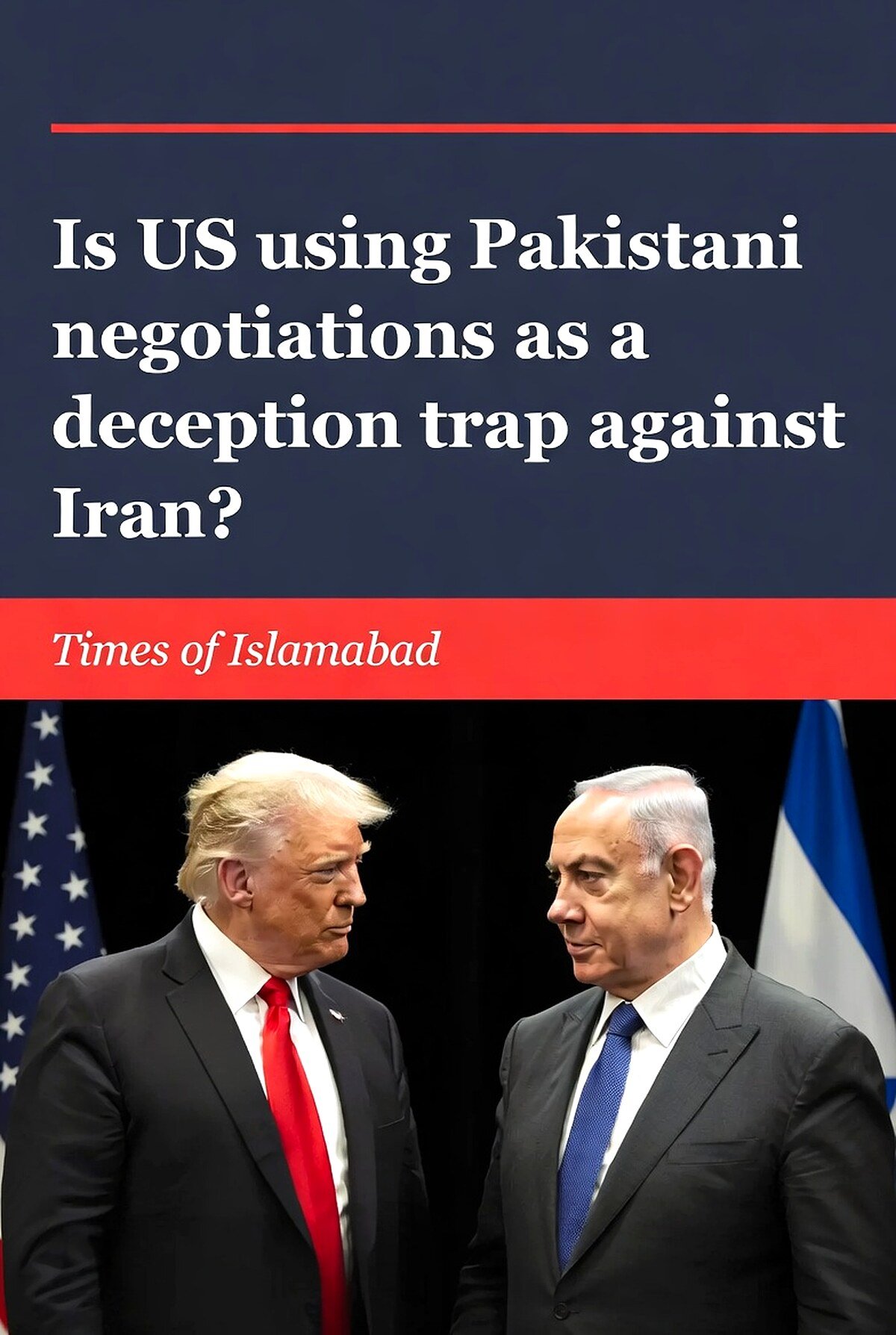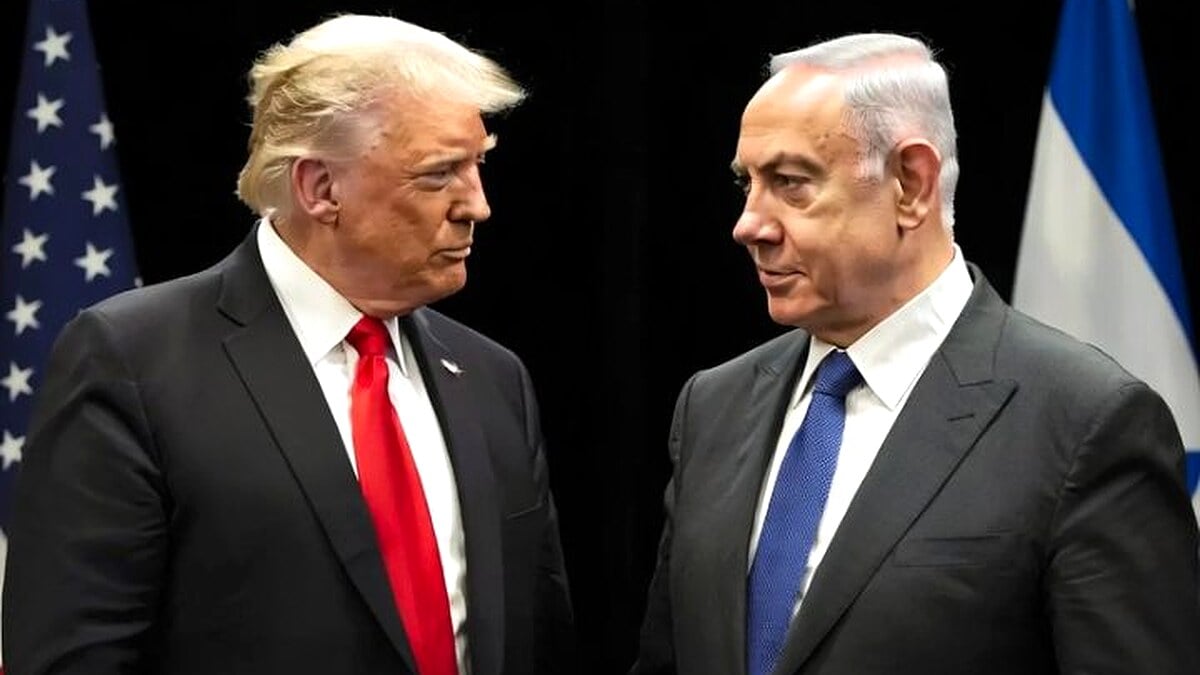




ISLAMABAD: Tensions between Washington and Tehran are once again spiraling toward a dangerous flashpoint. An Iranian source has told Al Jazeera that the Islamic Republic is confronting what it bluntly calls “deception by the enemy.” Yet in the same breath, President Donald Trump has announced he is dispatching senior representatives to Pakistan for urgent negotiations.
The timing could not be more critical. A fragile ceasefire is set to expire, the Strait of Hormuz remains partially blocked, and both sides are issuing fresh threats. But that is not the full story.
Iranian officials have made their position crystal clear. Speaking to Al Jazeera, they stressed that Tehran’s readiness for any confrontation has eliminated any chance of enemy deception. The message is unmistakable: Iran believes Washington’s diplomatic overtures mask unchanged aggressive intentions. “The enemy’s aggressive posture against Iran has not changed,” one senior political source told Iranian media, echoing the same skepticism.
This latest warning comes after months of intense conflict that began in late February 2026. US and Israeli strikes targeted more than 13,000 sites across Iran. According to Pentagon briefings, roughly 80 percent of Iran’s air defense systems were destroyed, along with 90 percent of its weapons factories and over 95 percent of its naval mines. Iran, meanwhile, launched hundreds of ballistic missiles and thousands of drones in retaliation.
Casualty figures paint a grim picture. Iranian sources report over 3,400 killed and 26,500 injured. Economic damage to Iran has reached an estimated $270 billion. On the US side, 15 soldiers were killed and 538 wounded, with economic costs to American allies also climbing into the billions.
What’s more concerning is the maritime choke point at the center of it all. The Strait of Hormuz carries about one-fifth of the world’s oil supply. Its partial closure has already sent shockwaves through global energy markets. Tanker traffic has slowed dramatically, insurance premiums have skyrocked, and oil prices have fluctuated wildly since the blockade intensified.
This is where things get interesting. Instead of escalating militarily, Trump has chosen the diplomatic route through Islamabad. In a Truth Social post Sunday, he declared that US negotiators would arrive in Pakistan by Monday evening for talks with Iran. Vice President JD Vance, who led the first round, is expected to return, joined by envoys Steve Witkoff and Jared Kushner.
Pakistan’s emergence as the venue is no accident. Islamabad has quietly positioned itself as the only credible mediator both sides trust enough to engage. Pakistani officials have shuttled messages between Washington and Tehran for weeks. Prime Minister Shehbaz Sharif publicly offered to host “meaningful and conclusive talks” for a comprehensive settlement.
However, a deeper issue is emerging. Pakistan’s leverage stems directly from the extraordinary rapport between its army chief, Field Marshal Asim Munir, and President Trump. Munir has cultivated a close personal relationship with the US leader, earning praise as “fantastic” and “my favourite field marshal.” This trust has transformed Pakistan into the indispensable bridge.
Pakistan’s armed forces bring unique credibility to the table. As a nuclear-armed power with battle-hardened experience and deep regional knowledge, Pakistan projects strength without appearing weak. Its military leadership has demonstrated the ability to engage both Washington and Tehran simultaneously while safeguarding national interests. That combination of diplomatic finesse and military resolve is exactly why both sides are now converging on Islamabad.
The data underscores Pakistan’s strategic value. Unlike other regional players, Pakistan shares a long border with Iran and maintains pragmatic ties despite differences. Its army has facilitated at least half a dozen back-channel messages in recent months. Trump himself has credited Pakistani efforts for keeping the door to talks open.
But that’s not the full story. Iran continues to reject what it views as deceptive US proposals. Tehran has outlined five conditions for any lasting deal, including the lifting of sanctions and guarantees against future strikes. Meanwhile, Trump has warned of devastating consequences if no agreement is reached, threatening to target Iranian power plants and infrastructure.
Military realities on the ground add another layer of complexity. The US has deployed two aircraft carriers, dozens of destroyers, and significant air assets to the region. B-1 and B-2 bombers have conducted repeated strikes. Yet despite these overwhelming capabilities, Iran’s underground missile facilities and dispersed forces have proven resilient. Tehran still retains enough capacity to threaten vital sea lanes and regional stability.
This raises an important question. Can diplomacy succeed where firepower has only produced stalemate? The answer may lie in Pakistan’s unique position. Field Marshal Asim Munir’s mediation efforts have already delivered early breakthroughs. Pakistani sources confirm the army chief personally oversaw the delivery of a detailed 15-point peace plan from the US to Iran.
What’s more concerning is the potential for miscalculation if talks collapse. A renewed escalation could see the Strait of Hormuz fully closed, sending oil prices soaring past $150 per barrel and triggering global recession fears. Civilian infrastructure in Iran remains at risk, while US forces face the prospect of prolonged engagement.
Pakistan’s leadership understands these stakes better than most. By hosting the talks, Islamabad is not only advancing regional peace but also demonstrating the maturity and capability of its armed forces on the global stage. The Pakistan Army’s professional conduct and strategic foresight have earned respect from both superpowers.
However, the path forward remains uncertain. Ceasefire extensions hang in the balance. Iran insists on verifiable commitments, while the US demands concrete de-escalation steps. Every hour counts as negotiators prepare to land in Islamabad.
And this raises an important question for the coming days. Will Pakistan’s steady hand and military-backed diplomacy prove enough to pull the region back from the brink? The world is watching closely. The answer could reshape not just US-Iran relations but the entire balance of power in the Middle East and beyond.