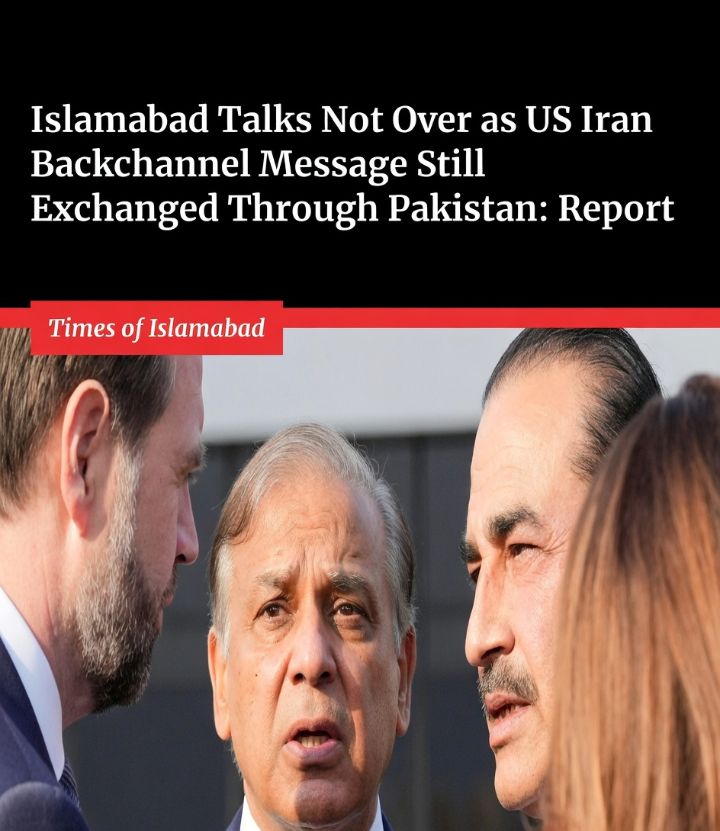




ISLAMABAD: US Vice President JD Vance has left Islamabad after marathon negotiations with Iran failed to produce a final agreement yet the high-stakes talks have not ended with both sides actively pursuing indirect channels through Pakistan.
Sources familiar with the proceedings confirm that while Vance presented the American “best and final offer” on core issues including Iran’s nuclear programme the absence of a breakthrough has not closed diplomatic doors and indirect communications remain active.
Vance who led the US delegation alongside senior officials held over 21 hours of intensive face-to-face and mediated sessions at Islamabad’s Serena Hotel with Iranian counterparts.
In his departure remarks Vance stated that Iran chose not to accept US terms particularly on verifiable commitments to forgo nuclear weapons and rapid breakout capabilities leaving the future of the fragile two-week ceasefire uncertain.
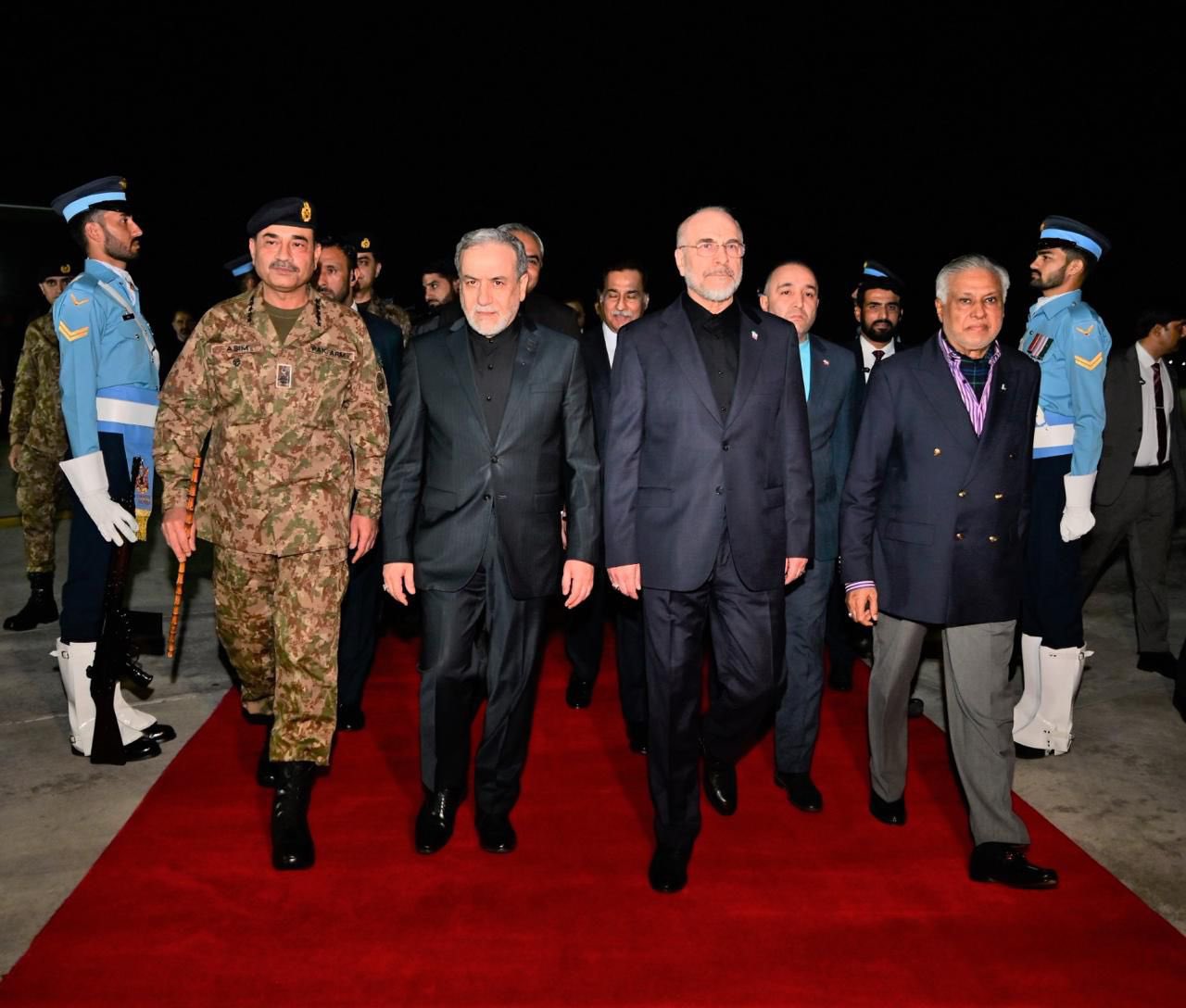
Pakistani officials including Prime Minister Shehbaz Sharif and senior military leadership played a central intermediary role facilitating the trilateral process that drew global attention as the highest-level US-Iran engagement in decades.
Despite the impasse regional reports and diplomatic sources indicate that Vance privately informed Pakistani hosts he would return to Washington for consultations with President Donald Trump and both sides have sought additional time for internal reviews.
This development signals that Islamabad’s mediation role is far from over with Pakistan continuing to relay indirect messages between Washington and Tehran to explore possibilities for renewed engagement.
International coverage from The New York Times Al Jazeera and BBC highlighted the 21-hour marathon sessions yet noted that neither side has ruled out further talks potentially reconvening in Islamabad or another neutral location.
Pakistani media outlets citing sources close to the negotiations report that backchannel exchanges persisted even after Vance boarded his aircraft underscoring Pakistan’s ongoing function as a trusted bridge in this sensitive diplomacy.
The current ceasefire brokered with significant Pakistani assistance has held tenuously amid concerns over the Strait of Hormuz and regional proxy activities that have already caused thousands of casualties.
Energy markets remain volatile following earlier disruptions with analysts warning that any collapse of the truce could spike global oil prices once again.
Vance thanked Pakistani authorities for their hospitality and facilitation efforts describing the discussions as substantive even if no agreement was reached on key red lines.
Iranian delegation members led by senior officials expressed that American demands were excessive yet acknowledged the intensive nature of the exchanges facilitated in Islamabad.
Diplomatic observers point to the involvement of multiple rounds of talks including technical experts as evidence that momentum exists beneath the surface through discreet messaging.
Pakistan’s strategic position has once again elevated its international profile as a mediator capable of hosting such complex engagements between longstanding adversaries.
Foreign Minister Ishaq Dar and other officials have reiterated Islamabad’s commitment to sustaining dialogue and preventing escalation that could destabilise the broader region.
As Vance returns to brief President Trump attention now shifts to how the US administration will respond while Iranian channels remain open via Pakistani intermediaries.
Sources suggest both parties may agree to another round of discussions after necessary home consultations keeping the prospect of de-escalation alive.
The developments highlight the intricate balance of direct negotiations mediation and persistent backchannel efforts that characterise modern conflict resolution in volatile geopolitics.
Global powers continue monitoring closely with implications for nuclear non-proliferation energy security and Middle East stability hanging in the balance.
For now the Islamabad process has paused rather than concluded with Pakistan actively maintaining the indirect lines that could lead to future meetings.