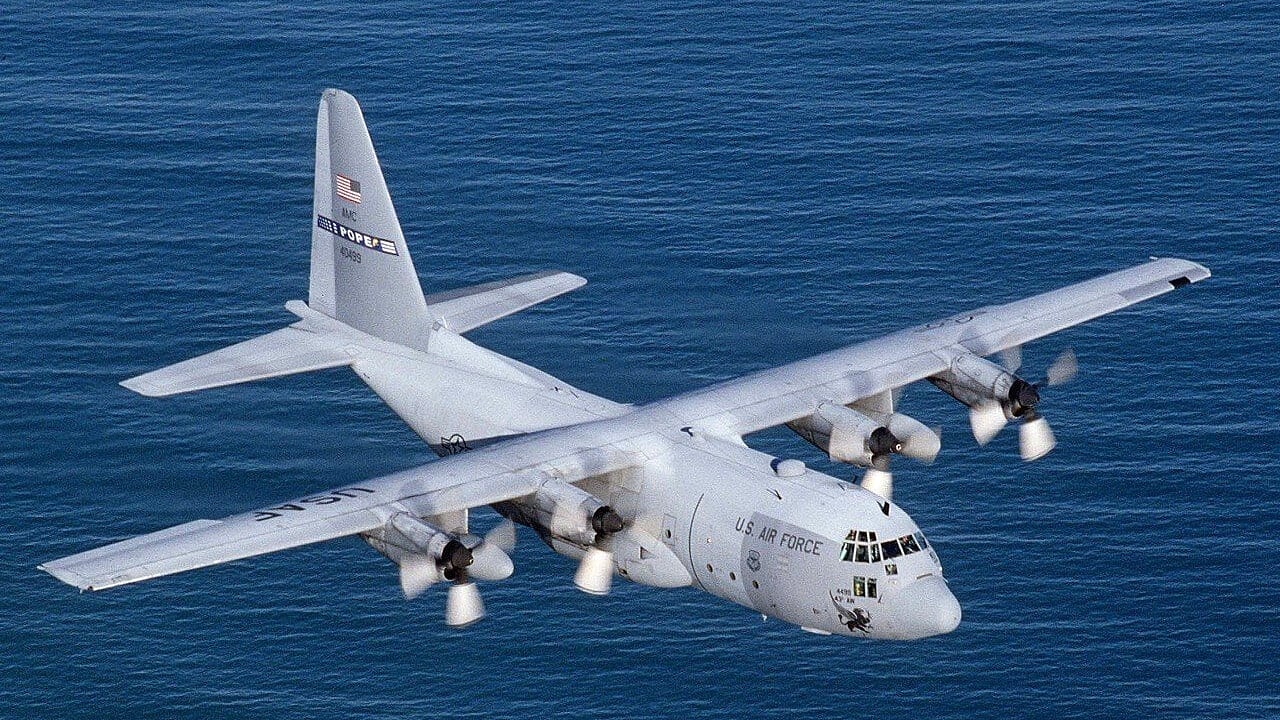




ISLAMABAD: The New York Times has exposed a high-stakes failure in a US pilot rescue mission inside Iran, where two transport planes malfunctioned and were deliberately destroyed to prevent seizure by Iranian forces.
This dramatic incident unfolded during an intense search-and-rescue operation following the downing of a US F-15E Strike Eagle fighter jet over southwestern Iran.
US officials confirmed one crew member was rescued while the fate of the second initially remained uncertain, triggering a two-day effort involving special operations forces and multiple aircraft.
Commandos extracted the airmen after navigating firefights and low-altitude flights verified by social media videos showing C-130 Hercules transports and helicopters skimming Iranian terrain.
Yet as the rescue team prepared exfiltration from a remote Iranian base, the two transport planes suffered critical mechanical failures preventing takeoff.
Fearing advanced avionics, communication systems and classified equipment could fall into enemy hands, US commanders issued orders to demolish the aircraft on site using explosives.
Replacement planes were urgently flown in to complete the evacuation, ensuring all personnel escaped safely to allied airspace.
The operation highlights vulnerabilities in forward-deployed logistics amid the five-week-old US-Israel conflict with Iran, now marked by at least seven US manned aircraft losses including Friday’s F-15E and an A-10 Warthog.
Each transport plane carries an estimated unit cost of 70 to 80 million dollars according to recent US Air Force procurement data, pushing the direct financial hit from this single mission beyond 150 million dollars.
Broader war expenditures already exceed billions, with aircraft maintenance challenges exacerbated by Iran’s harsh desert environment and dust storms that historically plagued similar missions.
Analysts draw parallels to the 1980 Operation Eagle Claw hostage rescue fiasco, where eight US helicopters failed mechanically, resulting in eight American deaths and mission abortion.
Iranian state media celebrated the jet downings as victories for its air defences, circulating footage of debris while offering rewards for captured pilots.
US sources, speaking anonymously to The New York Times, described the self-destruction as standard protocol to deny adversaries sensitive technology potentially transferable to partners like Russia and China.
The rescue success despite setbacks underscores the US military’s no-man-left-behind doctrine, yet exposes operational risks in contested airspace.
Regional implications extend to the Strait of Hormuz, a critical oil chokepoint handling 20 percent of global trade, where escalating tensions have already spiked energy prices.
Pakistan, reliant on Middle Eastern imports for over 80 percent of its oil needs, monitors developments closely as potential supply disruptions threaten economic stability.
Defence experts note the incident adds to a pattern of US aircraft losses, with drone strikes and ground attacks compounding manned plane attrition estimated at dozens of assets damaged or destroyed.
The New York Times report, corroborated by CBS and AP citing Pentagon insiders, provides rare transparency into classified special operations amid the fog of war.
As the conflict intensifies, such technical malfunctions raise urgent questions about equipment reliability and contingency planning for deep-penetration missions.
US defence budgets for special operations have surged past 10 billion dollars annually in recent years precisely to mitigate these risks.
Nevertheless, the destruction of two valuable transports serves as a stark reminder of the human and material costs inherent in modern asymmetric warfare.
International observers urge de-escalation to avert broader regional fallout that could engulf additional nations.
The episode may prompt reviews of US forward basing and rapid-response capabilities in the Middle East.
While the pilots were ultimately saved, the lost aircraft underscore the perilous balance between mission success and strategic denial operations.