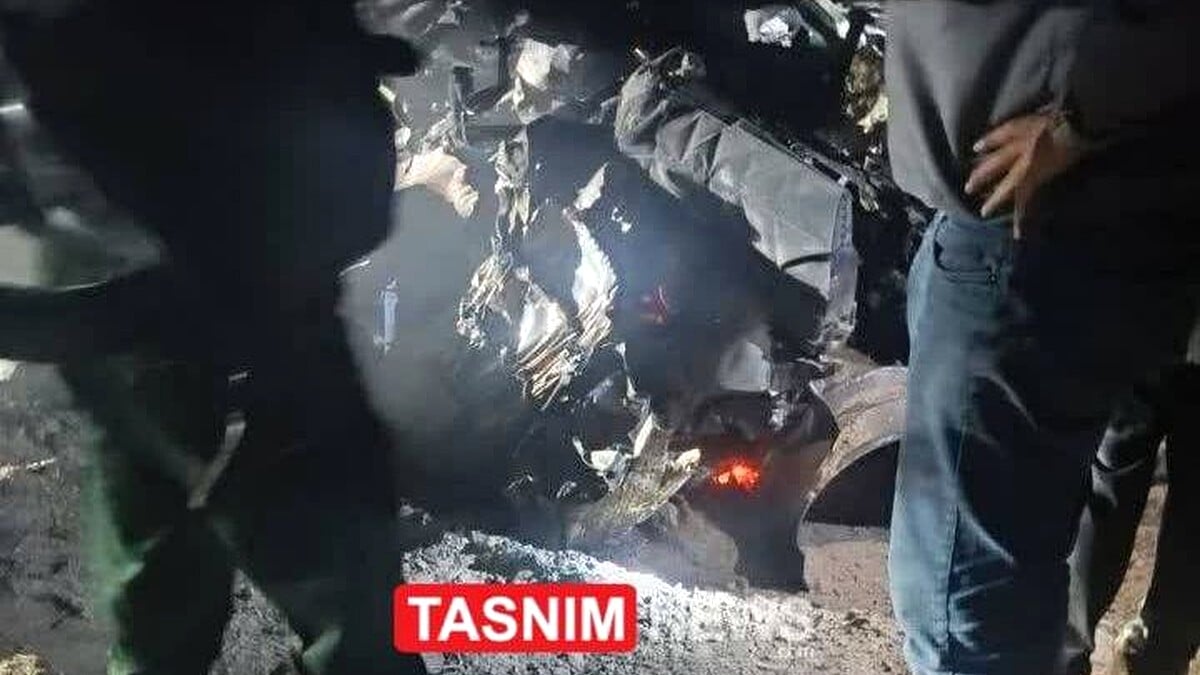




ISLAMABAD: Iranian air defence forces have shot down a third United States fighter jet in a single day according to state-affiliated Tasnim News Agency marking the most severe blow to American air power in the five-week-old conflict.
Tasnim published exclusive images late on Friday showing wreckage it identified as an American F-16 possibly brought down over central Iran.
The development comes hours after United States officials confirmed the loss of an F-15E Strike Eagle over southwestern Iran with one crew member rescued and an intensive search continuing for the second.
An A-10 Warthog attack aircraft was simultaneously hit during the rescue operation and crashed near the Strait of Hormuz its lone pilot safely recovered by American forces.
United States Central Command has acknowledged two aircraft losses on Friday but has not commented on the latest Iranian claim regarding the F-16.
The F-15E valued at over 100 million dollars per unit belongs to squadrons recently surged into Jordan as part of a 24-aircraft deployment to counter Iranian threats.
The A-10 Warthog part of a dozen-strong contingent in the Middle East remains one of 219 aircraft in the United States Air Force inventory despite repeated retirement plans.
Iranian military sources stated that advanced surface-to-air systems operated by the Islamic Revolutionary Guard Corps Aerospace Force were responsible for all three engagements.
This marks the first confirmed manned United States fighter jet losses to enemy fire since the conflict began on March 1 2026.
Tasnim images released earlier for the F-15E showed clear tail markings consistent with the 48th Fighter Wing based at RAF Lakenheath in Britain.
Rescue operations involving Black Hawk helicopters and a C-130 Hercules came under Iranian fire resulting in additional damage but no further American fatalities reported so far.
Military analysts note the incidents represent a black day for United States air operations challenging repeated assertions by the Trump administration that Iranian air defences had been neutralised.
The Persian Gulf and Strait of Hormuz remain critical chokepoints for global oil transit with 21 million barrels passing daily through the waterway.
United States Air Force data from early 2026 indicated approximately 36 F-15E aircraft distributed across forward bases including Muwaffaq Salti in Jordan alongside F-35A and A-10 units.
Iran has claimed at least nine fighter jets and multiple drones downed since hostilities escalated though independent verification remains limited to the two incidents confirmed by American sources.
The F-16 if confirmed would represent a significant tactical loss given its multirole capabilities and widespread deployment in regional operations.
Pakistani officials monitoring the situation have expressed concern over potential spillover effects on regional stability and energy security.
Defence experts highlight the durability of the A-10 yet note its vulnerability to modern integrated air defence networks employed by Tehran.
The ongoing search for the missing F-15E crew member has involved high-risk missions deep into Iranian territory prompting renewed calls for de-escalation from international observers.
Iranian state television broadcast footage urging citizens to assist in locating downed pilots while offering rewards for information.
This rapid sequence of events underscores the persistent threat posed by Iranian air defence systems despite weeks of sustained American and allied strikes.
United States military posture in the region includes over 30 F-35A stealth fighters reinforcing the strike package but operational tempo has increased dramatically.
The cost of each lost aircraft combined with rescue efforts exceeds 150 million dollars in direct material losses alone according to preliminary assessments.
Regional media including Iranian outlets continue to amplify the narrative of successful resistance while United States media outlets focus on rescue operations and crew safety.
The incident has already impacted market sentiment with oil futures rising sharply in Asian trading on fears of further disruptions in the Gulf.
Long-term implications for United States deterrence strategy in the Middle East are under urgent review in Washington as the conflict enters its sixth week.