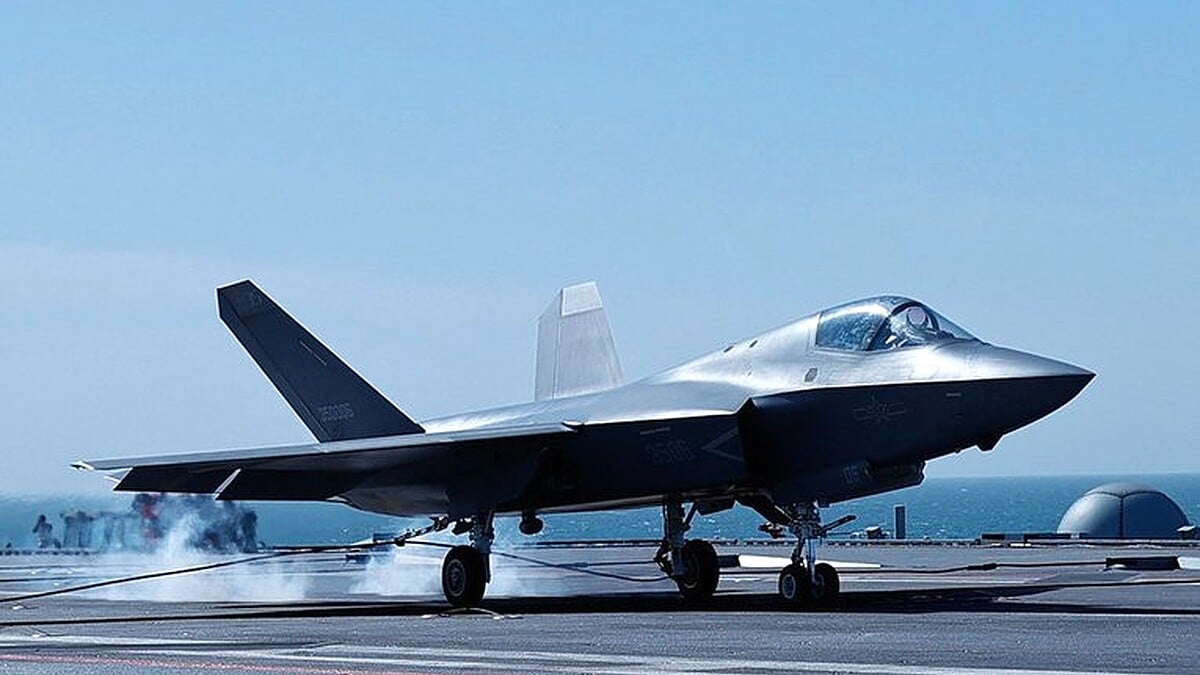




ISLAMABAD: China has reportedly accelerated the delivery of J-35 stealth fighters to Pakistan, advancing initial arrivals from late 2026 to mid-2026 and triggering the most significant shift in South Asian airpower since India’s Rafale induction.
Regional defence reports indicate the revised timeline could enable Pakistan to field operational fifth-generation capability several months earlier than anticipated by planners in New Delhi.
The move forms part of a broader package that includes KJ-500 airborne early warning and control aircraft alongside HQ-19 missile defence systems, described by analysts as an integrated ecosystem rather than a simple aircraft transaction.
Pakistani government statements earlier referenced an offer of up to 40 J-35 fifth-generation aircraft, combined with KJ-500 platforms and HQ-19 systems, highlighting deepening Sino-Pakistani defence ties.
Defence Security Asia reported the acceleration, noting that Beijing appears to view the transfer with heightened strategic urgency beyond routine exports.
The J-35, a twin-engine medium-weight stealth fighter developed from the FC-31 lineage, features low-observable design with estimated maximum takeoff weight around 28,000 to 30,000 kg and combat radius exceeding 1,250 km in some configurations.
It can achieve speeds up to Mach 1.8 and carries advanced avionics with potential for six PL-16 long-range missiles, each with ranges beyond 200 km, according to technical assessments.
Pakistan would become the first export operator of the platform, with Pakistani pilots already undergoing training in China for integration into frontline squadrons.
The accompanying KJ-500 AEW&C aircraft provides 360-degree surveillance with AESA radar detection ranges estimated at 470 to 550 km, enhancing battle management for mixed fleets including existing JF-17 and J-10C platforms.
HQ-19 systems add layered defence against ballistic missiles and high-altitude threats, with reported interception capabilities extending to thousands of kilometres in certain scenarios.
Together, these elements multiply Pakistan’s lethality, survivability and operational reach simultaneously across air, detection and ground defence domains.
India currently operates no indigenous or imported fifth-generation fighters in squadron service.
Its Rafale fleet, numbering around 36 aircraft with more on order, relies on fourth-generation-plus capabilities alongside Su-30MKI numbers exceeding 260 units and upgraded legacy platforms.
India’s Advanced Medium Combat Aircraft programme targets prototype rollout in 2026-27, first flight around 2028-29 and induction no earlier than 2034-35, with plans for over 120 aircraft across multiple squadrons.
Delays in private sector involvement and engine selection have extended timelines despite allocations of Rs 15,000 crore for initial phases.
Pakistani analysts emphasise that the J-35 ecosystem introduces stealth, sensor fusion and networked operations years before India achieves comparable fifth-generation readiness.
This development carries implications for deterrence stability, particularly in scenarios involving contested airspace along shared borders.
Regional media outlets in Pakistan have highlighted the potential for the package to offset numerical advantages held by the Indian Air Force in conventional platforms.
International coverage remains limited to specialist defence publications, with Pentagon reports confirming earlier offers of up to 40 J-35 aircraft to Islamabad.
Economic considerations persist, given Pakistan’s fiscal constraints, though reports suggest favourable financing terms including possible discounts and deferred payments linked to broader strategic cooperation.
Infrastructure upgrades at Pakistani airbases are reportedly underway to accommodate the new platforms, alongside maintenance and training pipelines.
The acceleration signals Beijing’s commitment to bolstering its key partner amid evolving regional dynamics.
Observers note that full operational integration could take additional months beyond delivery, involving tactics development and data-link synchronisation with existing systems.
Nevertheless, the mid-2026 timeline positions Pakistan to demonstrate fifth-generation presence in South Asia well before India’s AMCA enters service.
This shift underscores the rapid pace of technology diffusion through Sino-Pakistani collaboration compared to India’s indigenous development path.
Further details on exact batch sizes and payment structures remain subject to official confirmation from both governments.
The combination of stealth strike, extended awareness and missile defence creates a multi-domain capability that alters threat assessments across the region.
Analysts project that sustained deliveries could reach squadron strength within two to three years following initial arrivals.
Such developments are likely to influence future procurement decisions and force posture reviews on all sides.
Reference: Primarily drawn from Defence Security Asia reporting dated April 2026 on accelerated J-35 deliveries, cross-referenced with earlier Pakistani government statements on the 40-aircraft offer and Pentagon assessments of the package.