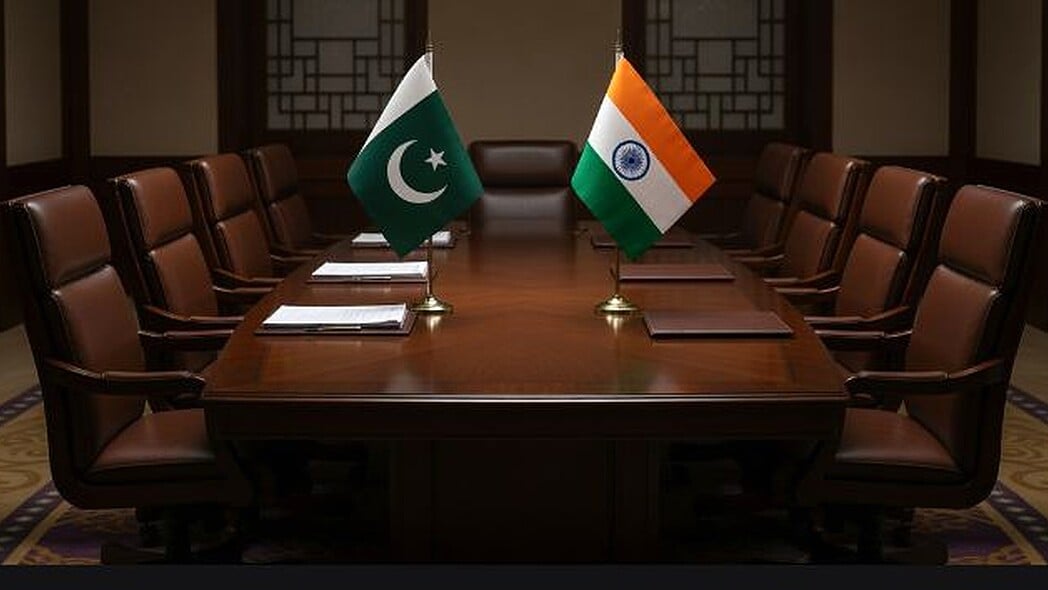




ISLAMABAD: Indians and Pakistanis gathered quietly in Doha, Qatar, in February 2026 for Track 2 dialogues as official bilateral relations stayed deeply strained.
The meetings occurred away from public attention with no official statements issued by either government.
Indian news channel WION reported that participants included former officials, journalists, business leaders and civil society figures from both nations.
Track 2 diplomacy involves non-governmental actors who explore ideas without committing their governments to any position.
Such channels have operated for decades between India and Pakistan, sometimes numbering nearly 20 active simultaneously during periods of high tension.
The February Doha session followed other recent informal rounds but produced no reported breakthroughs.
Official ties remain frozen following the Pahalgam terror attack in Indian-administered Kashmir, which India attributes to Pakistan-based groups.
New Delhi has repeatedly raised concerns over cross-border terrorism, while Islamabad denies state involvement.
No major international outlets beyond WION provided detailed coverage of the specific Doha meetings.
Regional reporting, including references in Pakistani and Indian media circles, treats these Track 2 efforts as routine confidence-building measures when Track 1 official talks are suspended.
Historically, Track 2 initiatives helped generate ideas during past crises, including after the 2019 Pulwama-Balakot events and the 2008 Mumbai attacks.
A 2019 Track II dialogue hosted by Pakistan’s Regional Peace Institute brought together participants under the theme “Beyond Politics and Polemics.”
Similar efforts in 2018 saw former diplomats and military veterans revive channels like the Neemrana Dialogue.
Foreign Policy magazine noted in 2025 that the near absence of both official and informal dialogues has heightened risks in one of the world’s most dangerous nuclear flashpoints.
India and Pakistan together possess an estimated 300 nuclear warheads according to global assessments.
Bilateral trade, once reaching nearly 2.5 billion dollars annually before 2019 restrictions, has plummeted to minimal levels.
People-to-people contacts, including visa issuances for pilgrims and traders, remain severely restricted.
The Doha meetings took place in Qatar, a country that maintains strong ties with both Islamabad and New Delhi.
Qatar has hosted major diplomatic events and often serves as a neutral venue for sensitive discussions in South Asia and West Asia.
Participants in Track 2 forums typically discuss Kashmir, terrorism, water sharing under the Indus Waters Treaty, trade normalisation and regional security.
No details emerged on specific agenda items for the February round.
Pakistan’s government has faced domestic pressure to address economic challenges while managing tense borders with India and Afghanistan.
India, meanwhile, continues to focus on counter-terrorism operations and strengthening ties with Western and Gulf partners.
Despite the chill, both sides have occasionally used backchannels, including intelligence-level contacts reported in past years.
The WION disclosure highlights how unofficial channels persist even when public rhetoric remains confrontational.
Such dialogues provide deniability and flexibility, allowing ideas to be tested without political cost.
Critics argue that Track 2 efforts rarely translate into policy shifts when core issues like Kashmir remain unresolved.
Supporters counter that keeping communication alive prevents miscalculations that could escalate into full conflict.
The nuclear dimension adds urgency, with both armies maintaining high alert levels along the Line of Control.
Annual defence budgets exceed 70 billion dollars combined, diverting resources from development needs.
Pakistan’s economy grew at around 2.5 percent in recent fiscal years while facing inflation above 10 percent.
India recorded stronger growth near 6-7 percent but still grapples with regional security costs.
The February Doha Track 2 round underscores a quiet reality: even in deep freeze, quiet conversations continue in neutral capitals.
Whether these efforts can eventually influence official policy remains uncertain in the current geopolitical climate.
Analysts suggest that sustained Track 2 engagement could lay groundwork for future de-escalation if terror incidents decline and trust measures are reciprocated.
For now, the meetings remain low-profile, offering a small window of engagement in an otherwise hostile environment.