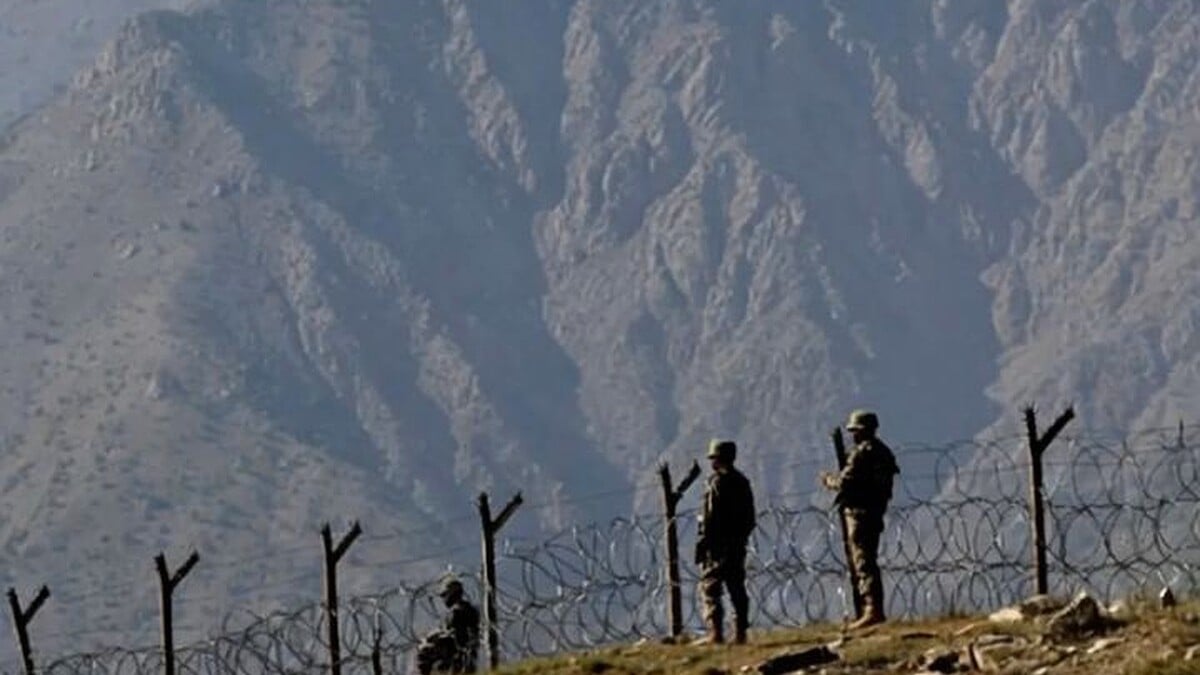




ISLAMABAD: Reports circulating across regional media and social platforms have claimed that has assumed control of a key location in Afghanistan’s province, with alleged troop deployments along transit routes.
The claims suggest that strategic passages in Nuristan have seen the presence of Pakistani security forces, a development that, if confirmed, would mark a significant shift in ground realities along the porous and historically contested frontier.
Nuristan, a mountainous province bordering Pakistan’s northern district of , has long been considered one of the most inaccessible regions in Afghanistan, with over 90 percent of its terrain covered by rugged mountains and dense forests, according to data from Afghan administrative records and international geographic surveys.
Historically, some local narratives and regional historians have pointed to pre-colonial administrative overlaps between parts of Nuristan and Chitral, though modern international borders were formalised during the late 19th century under the Durand Line agreement, a boundary that remains disputed by successive Afghan governments.
Security analysts note that the Nuristan region has witnessed limited state control over the past two decades, with multiple reports by international organisations indicating that armed groups have intermittently used its terrain as a transit corridor, particularly due to its proximity to Pakistan’s tribal districts.
Recent local media reports, citing unnamed sources, have claimed that Pakistani forces have established positions to monitor cross-border movement, allegedly aiming to curb militant infiltration, a long-standing concern for Islamabad, which has reported over 1,500 cross-border incidents since 2010, according to official security briefings.
However, no confirmation has been issued by Pakistan’s military media wing, Inter-Services Public Relations, nor by Afghan authorities in Kabul, where officials have remained silent on the matter amid broader internal governance challenges.
Experts caution that such claims, if unsubstantiated, may contribute to misinformation and heightened tensions, particularly at a time when border management remains a critical issue between the two countries, with fencing efforts along the 2,600-kilometre frontier nearing 90 percent completion as per Pakistani government data released in recent years.
Strategic observers also highlight that any shift in territorial control would carry significant implications, not only for bilateral relations but also for regional security frameworks, especially given Nuristan’s proximity to key transit routes connecting Central and South Asia.
Meanwhile, local voices from border communities, as cited in regional press outlets, have described increased movement and heightened vigilance in adjacent areas, though these accounts remain anecdotal and lack independent verification.
The absence of official confirmation has led international media to largely refrain from reporting on the development, while regional discourse continues to evolve, driven by speculation and competing narratives.
Analysts stress the importance of verified information and diplomatic clarity, warning that premature conclusions regarding territorial changes could destabilise an already fragile regional balance.
As of now, the situation remains unclear, with authorities on both sides yet to provide definitive statements, leaving the claims in the realm of speculation rather than confirmed geopolitical reality.