



ISLAMABAD: The United States Air Force is facing significant exposure in its high-intensity campaign against Iran, with at least 16 military aircraft destroyed since the conflict began nearly four weeks ago.
This data, drawn from US military assessments and detailed in Bloomberg reports, highlights vulnerabilities in maintaining air superiority during sustained operations.
Among the confirmed losses are 10 MQ-9 Reaper strike drones, primarily targeted by Iranian air defences.
Nine of these uncrewed drones were shot down mid-air, while one was struck by a ballistic missile at an airfield in Jordan.
Two additional Reapers were lost to operational accidents, underscoring the risks of attritable assets deployed in contested zones.
The Reaper losses represent a notable blow, as these platforms form a key part of US reconnaissance and strike capabilities in the region.
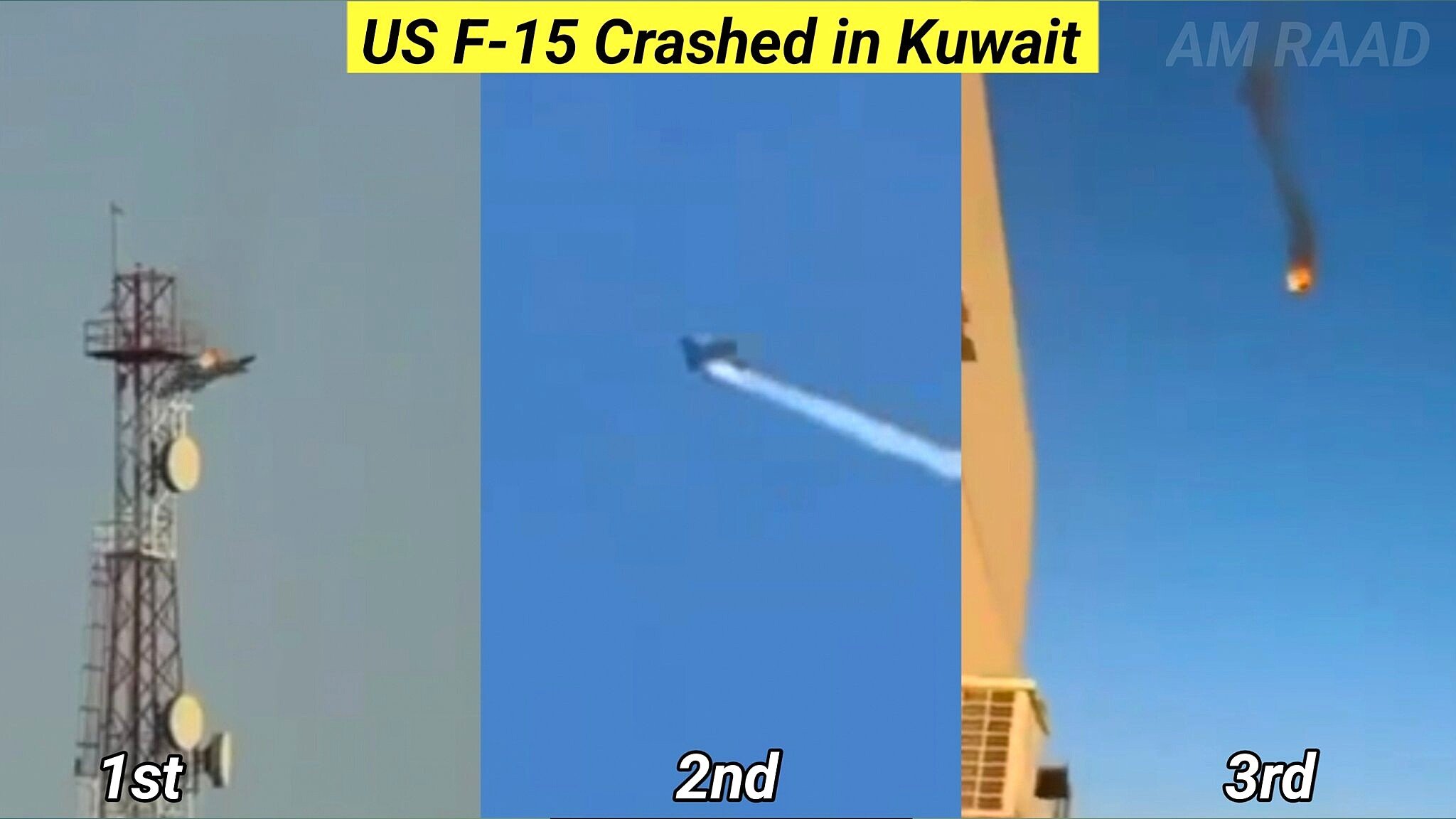
Three F-15 fighter jets were downed in a separate incident involving friendly fire over Kuwait, with crews recovered safely.
This accidental engagement occurred amid complex coordination in multinational airspace.
A KC-135 Stratotanker was completely destroyed during a mid-air refuelling operation in western Iraq, resulting in the deaths of all six crew members aboard.
The crash took place in friendly airspace and remains under investigation.
Five additional KC-135 tankers suffered severe damage from an Iranian missile strike while parked at an airfield in Saudi Arabia.
These incidents have compounded logistical challenges for US air operations.
An F-35 stealth fighter was also forced into an emergency landing at a regional base after sustaining damage from suspected Iranian fire, with the pilot reported in stable condition.
Overall, a half-dozen other aircraft sustained heavy damage from attacks or accidents during the campaign.
The total losses come as the US conducted more airstrikes on the first day of operations than during the entire opening phase of the 2003 Iraq invasion.
US forces have achieved only localised air superiority in parts of Iranian airspace rather than full dominance.
Iranian defences, including mobile infrared-guided surface-to-air missiles, have proven effective against lower-altitude threats.
These systems operate without traditional radars, complicating US suppression efforts.
Experts note that the high tempo of sorties increases accident risks in such environments.
Peter Layton, a former Royal Australian Air Force officer, attributed the pattern partly to the greater daily flight rate compared with past campaigns.
Justin Bronk of the Royal United Services Institute described periodic accidents as an unfortunate but expected outcome in large-scale, high-pressure operations.
The Reaper drones, valued at approximately 16 million dollars each, are designed as replaceable platforms for high-risk missions.
The US inventory stands at around 225 such drones globally.
Financial and operational costs of these losses are mounting rapidly.
Iran has retaliated with strikes on energy facilities in Qatar and Saudi Arabia, targeting infrastructure linked to US allies.
These actions followed US and Israeli operations against Iranian sites, including the South Pars gas field.
The conflict, now entering its fourth week, continues to test US air power projection in the Middle East.
Analysts question the sustainability of operations aimed at securing key maritime routes like the Strait of Hormuz.
Despite early successes against Iranian launchers, estimates suggest only about 60 percent have been neutralised, with numbers not declining further.
US Central Command has declined detailed comments on battle damage but confirmed specific incidents.
The pattern of losses mixes combat damage with operational mishaps, reflecting intense pressure across multiple fronts.
Regional observers note that unmanned systems bore the brunt of Iranian defences, sparing manned aircraft from direct shoot-downs so far.
However, friendly fire and accidents have claimed high-value manned platforms.
This exposure raises broader questions about US preparedness for prolonged peer-level confrontations.
Pakistan, as a key regional stakeholder, monitors these developments closely for implications on Gulf stability and energy security.
The data underscores a shift from assumed technological superiority to a more contested air domain.
Further assessments are expected as the campaign progresses.