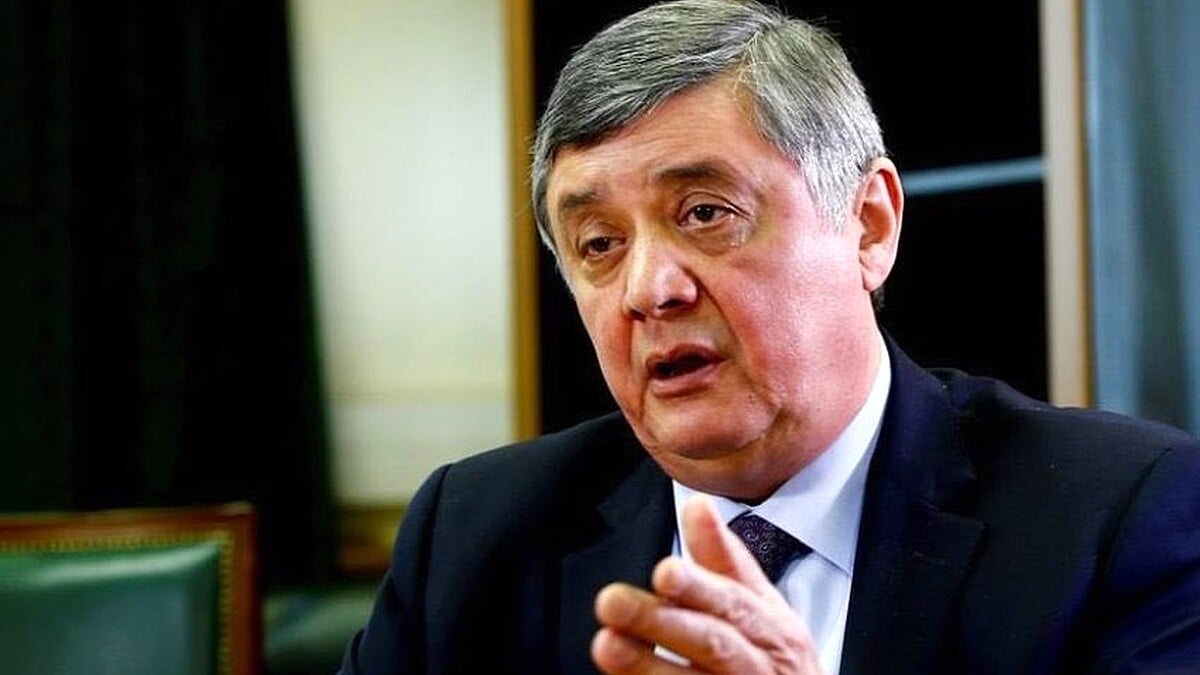




ISLAMABAD: Russia has formally offered to mediate between Afghanistan and Pakistan as cross-border tensions threaten to spiral, with Moscow’s special envoy Zamir Kabulov stressing immediate de-escalation through political dialogue and compromise.
Kabulov, President Vladimir Putin’s special representative for Afghanistan, told Russian media including TASS and Izvestia on March 18 that Moscow is monitoring developments with deep concern and supports a swift halt to mutual attacks. He emphasised that the primary goal remains ending hostilities to allow resumption of diplomatic engagement, adding that Russia maintains constructive ties with both Islamabad and Kabul.
The Russian position comes after months of intensified skirmishes along the 2,640-kilometre Durand Line. Data from the Armed Conflict Location and Event Data Project shows more than 80 border clashes recorded in 2025 alone, more than double the previous year, with further incidents continuing into early 2026.
Pakistan has repeatedly accused Afghan soil of sheltering Tehrik-e-Taliban Pakistan militants responsible for surging attacks inside its territory. Official Pakistani figures indicate over 4,000 deaths from militant violence in frontier provinces between January and November 2025, including high-profile strikes in Islamabad, Bajaur and Bannu that prompted retaliatory airstrikes.
Afghanistan, under the Islamic Emirate, has condemned Pakistani operations as sovereignty violations, reporting civilian casualties and infrastructure damage during reported strikes on Nangarhar, Paktika and Khost provinces. Both sides have traded claims of hundreds of fighters killed, while thousands of civilians have been displaced on either side of the porous border.
Bilateral trade has suffered severely amid repeated closures and restrictions. Figures from the Taliban commerce ministry cited by regional outlets reveal a 40 percent plunge, with total volume falling from 2.46 billion dollars in 2024 to 1.77 billion dollars in 2025. Pakistani exports to Afghanistan dropped sharply by an estimated 56 percent in affected periods, inflicting monthly losses averaging 177 million dollars across the corridor.
Afghanistan has borne a disproportionately heavy economic burden, losing around 10 percent of its global export value since October 2025 compared with Pakistan’s 0.6 percent impact. Stranded transit containers at key crossings have generated daily demurrage costs exceeding 1.2 million dollars for Afghan importers alone, according to chamber of commerce estimates.
Kabulov made clear Russia will not act unilaterally. Mediation would be considered only if both Islamabad and Kabul submit simultaneous formal requests, a condition reiterated to underscore respect for sovereignty and mutual consent. No such joint appeal has yet been received, he noted.
The envoy assessed the risk of full-scale war as low despite hypothetical dangers, arguing current dynamics favour negotiated outcomes over open conflict. Moscow’s approach aligns with earlier calls from China and Iran for restraint, positioning Russia as a potential neutral facilitator given its established relations with both capitals.
Analysts observe that successful mediation could stabilise a region critical for Central Asian connectivity and energy routes. Pakistan’s security operations continue against cross-border threats, while Afghanistan insists on respect for its territorial integrity amid internal governance challenges.
Diplomatic sources in Islamabad indicate quiet appreciation for external offers that reinforce dialogue without external pressure. Pakistani officials have long maintained openness to peaceful resolution provided militant sanctuaries are addressed decisively.
The unfolding situation highlights decades-old complexities rooted in the post-2021 regional shift. UN monitoring reports have documented sustained linkages between Afghan authorities and TTP elements, fuelling Islamabad’s concerns over internal stability.
Kabulov’s intervention arrives at a pivotal moment when low-level clashes risk economic isolation for landlocked Afghanistan and heightened defence spending for Pakistan. Regional trade corridors vital for both nations remain disrupted, affecting livelihoods from truckers to agricultural exporters.
Observers note that any mediated process would likely address core issues including border management, refugee returns and counter-terrorism coordination. Previous truces, including those facilitated by Qatar and Turkey in late 2025, proved fragile, underscoring the need for sustained international backing.
Russia’s willingness adds another layer to multi-party efforts already involving Beijing and Tehran. Kabulov stressed compromise solutions that transition from confrontation to cooperation, a stance echoed in Russian Foreign Ministry statements urging abandonment of escalation paths.
As monitoring continues, both nations face pressure to weigh military options against the mounting human and financial toll. Data-driven assessments suggest de-escalation remains feasible if political will aligns with external good offices now on offer.
The coming weeks will test whether simultaneous requests for Russian facilitation materialise or if bilateral channels prevail. For now, Moscow’s measured proposal serves as a calibrated reminder that dialogue, not force, offers the path toward lasting regional calm.