



ISLAMABAD: Russia has urged Afghanistan and Pakistan to immediately abandon the “dead-end path of confrontation” and pursue dialogue to de-escalate the sharp military tensions gripping their shared border.
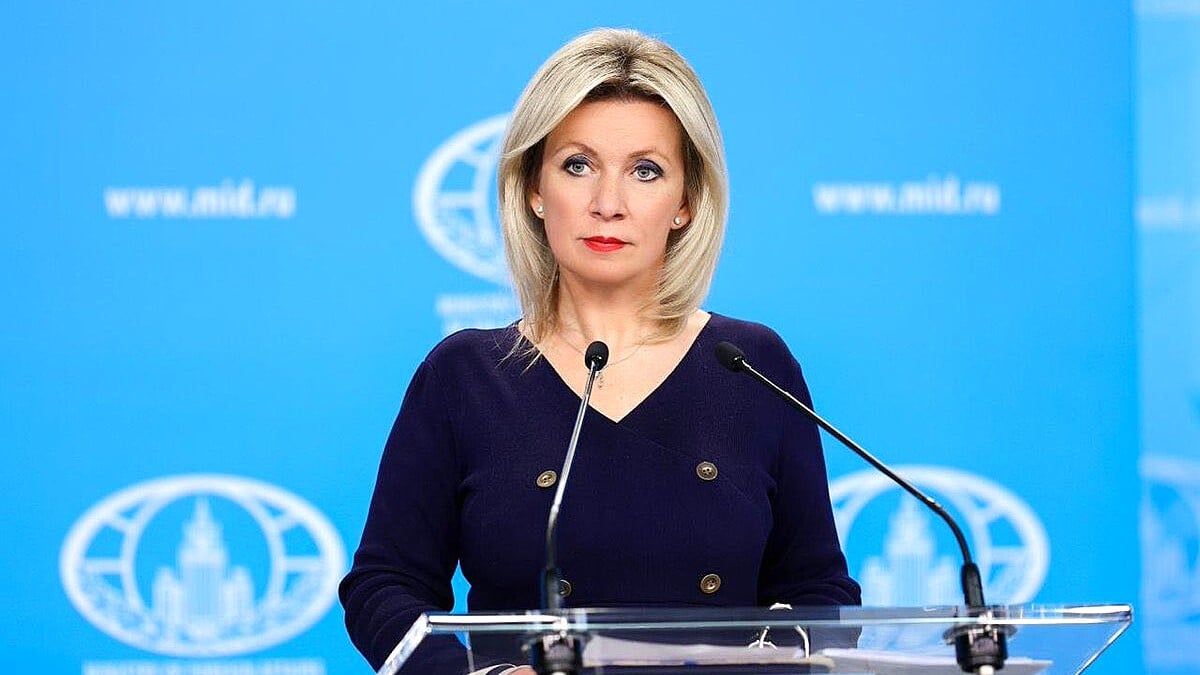
Maria Zakharova, spokesperson for Russia’s Ministry of Foreign Affairs, issued the statement on February 27, 2026, expressing deep concern over the rapid escalation of armed clashes between the two neighbours.
The fighting, involving regular army units, aircraft and heavy weaponry, has resulted in fatalities and injuries on both sides, including among civilians living in border areas.
Zakharova described the situation as a “dangerous confrontation” and called on Islamabad and Kabul to return to the negotiating table without delay.
She stressed that political and diplomatic channels represent the only viable path to resolve underlying differences and prevent further bloodshed.
The clashes erupted in late February 2026 after weeks of mounting friction, with Pakistan launching airstrikes on February 21 targeting alleged militant camps in Afghanistan’s Nangarhar, Paktika and Khost provinces.
Pakistan’s military described the operations as intelligence-based and selective, aimed at Tehreek-e-Taliban Pakistan (TTP) hideouts and affiliates, including elements linked to Islamic State Khorasan Province.
Islamabad has long accused the Afghan Taliban-led government of providing safe havens to TTP fighters who launch attacks inside Pakistan.
Casualty figures vary sharply between the two sides, reflecting the intensity of the exchanges.
Pakistan reported 12 soldiers killed and 27 injured in initial clashes, while Afghan sources claimed significantly higher losses on the Pakistani side.
In retaliation, Afghan forces conducted cross-border operations, including strikes on Pakistani military positions in regions such as Khyber Pakhtunkhwa.
Reports indicate that Afghan claims included the destruction of several Pakistani outposts and heavy casualties inflicted on Pakistani troops.
By early March, fighting had spread along multiple points of the 2,640-kilometre Durand Line, with exchanges of artillery, airstrikes and ground assaults.
The United Nations refugee agency documented over 115,000 people displaced in Afghanistan due to the violence, with an additional 3,000 displaced in Pakistan.
Nearly 66,000 Afghans were reported displaced in the first week alone as shelling and explosions forced families to flee border villages.
Civilians in affected areas have borne the brunt of the conflict, with homes damaged and essential services disrupted.
The escalation marks a significant deterioration from earlier skirmishes in October 2025, when Pakistan struck targets in Kabul targeting TTP leader Noor Wali Mehsud.
Those incidents led to retaliatory Afghan actions and a fragile ceasefire, but underlying grievances persisted.
Pakistan has maintained that the surge in TTP attacks inside its territory since the Taliban takeover in Afghanistan in 2021 stems from Afghan soil.
Data from conflict monitoring groups shows over 1,000 violent incidents linked to TTP in Pakistan during 2025, one of the most violent years in over a decade.
Trends in early 2026 suggested violence continuing at similar or higher levels absent a serious crackdown on militant sanctuaries.
Russia’s intervention highlights Moscow’s interest in regional stability, given its partnerships with both nations.
The Russian Foreign Ministry referred to Afghanistan and Pakistan as “friendly partners,” underscoring a desire to preserve ties amid the crisis.
Zakharova’s call aligns with broader international appeals for restraint, though no immediate talks have been confirmed between the parties.
The Durand Line remains a longstanding point of contention, with Afghanistan historically rejecting its legitimacy as an international boundary.
Pakistan insists on border security to curb cross-border terrorism, while Kabul demands recognition of Afghan sovereignty over disputed areas.
The involvement of heavy weaponry and air power has raised fears of a prolonged conflict with wider regional implications.
Displacement figures continue to rise as fighting shows no signs of abating in key sectors.
Analysts warn that without de-escalation, the situation risks drawing in other regional actors and complicating humanitarian efforts.
Russia’s statement serves as a reminder that sustained military action offers no resolution to deep-seated issues.
Dialogue, based on mutual respect and addressing core security concerns, remains essential for lasting peace.
The international community watches closely as the two neighbours navigate this critical juncture.