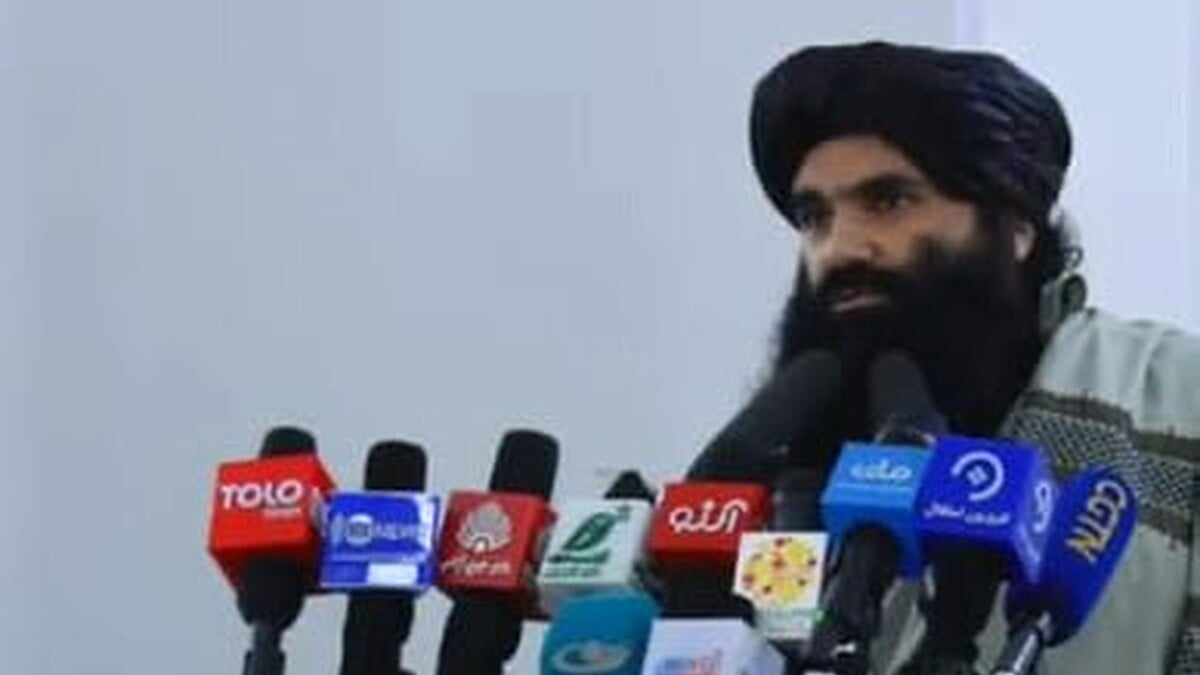




ISLAMABAD: Sirajuddin Haqqani, Afghanistan’s Acting Interior Minister, has urged Pakistan’s religious scholars, political groups, and citizens to prevent further violence following a deadly Pakistani airstrike on a drug rehabilitation hospital in Kabul, warning of severe consequences if such actions continue.
The appeal came during funeral ceremonies for victims of the March 16 airstrike on the Omid Addiction Treatment Hospital, a state-run facility with around 2,000 beds that treats drug addicts in the Afghan capital.
Haqqani emphasized that the Islamic Emirate expects Pakistan’s Muslim population and independent voices to oppose operations that harm innocent civilians and damage ties between Islamic nations.
He stated firmly that Afghanistan is not weak in war, but targeting Muslim communities for external interests remains unacceptable.
While maintaining goodwill toward Pakistan, the Afghan government will carefully weigh the repercussions of repeated hostile acts, Haqqani added.
He explicitly warned that any further aggression would provoke a response, affirming Afghanistan’s right to defend itself.
The minister expressed appreciation for condolences and support received from various quarters after the incident.
The airstrike, part of escalating cross-border tensions in the 2026 Afghanistan-Pakistan conflict, struck the Omid facility late on March 16, around 9 p.m. local time.
Afghan Taliban authorities reported 408 people killed and 265 injured, mostly patients undergoing treatment, with many burned in their beds or crushed under collapsing structures.
The facility, formerly a NATO base established as a rehabilitation center about a decade ago, saw large sections reduced to rubble, including prayer halls and dormitories with bunk beds.
Rescue teams worked through the night and following days, recovering bodies amid ongoing fires and debris, as families searched desperately for missing loved ones.
Survivors described horrific scenes, with patients caught during dinner or rest, highlighting the civilian nature of the casualties.
Pakistan has strongly rejected claims of deliberately targeting the hospital, insisting its air force precisely struck military installations and terrorist support infrastructure linked to militants using Afghan soil.
Islamabad described the operations as necessary to counter threats from groups like the Tehrik-i-Taliban Pakistan (TTP), which it accuses Kabul of harboring.
Independent sources, including the United Nations Assistance Mission in Afghanistan (UNAMA), disputed the Afghan figures, estimating dozens killed or wounded rather than hundreds, and called for a prompt, transparent investigation.
Forensic reports and international media confirmed at least over 100 bodies recovered, with ongoing verification amid restricted access.
The strike marked one of the deadliest single incidents in the conflict that intensified from late February 2026, involving repeated Pakistani airstrikes in provinces like Nangarhar, Paktika, Khost, and Kabul.
Tensions trace back to border clashes, accusations of cross-border militancy, and failed diplomacy, with previous mediation efforts by China, Qatar, and Turkey yielding temporary ceasefires.
Haqqani’s statement reflects a measured yet firm tone, blending calls for de-escalation with readiness for retaliation, amid internal Taliban dynamics balancing pragmatism and hardline positions.
His outreach to Pakistani civil society and scholars aims to isolate military escalation from broader Muslim solidarity, framing the issue as harming shared Islamic interests.
Analysts note this approach seeks to pressure Pakistan domestically while avoiding immediate full-scale war, given Afghanistan’s vulnerabilities.
The incident has drawn international concern, with the United Nations demanding an independent probe into possible violations of humanitarian law.
Rights groups expressed alarm over civilian targeting, urging restraint from both sides to prevent wider regional instability.
As funerals proceeded in Kabul, Haqqani’s words underscored the fragile state of bilateral relations, where goodwill coexists with warnings of costly consequences.
The broader conflict risks drawing in neighboring powers, complicating security in South Asia.
With casualty claims varying widely, the true human cost of the Kabul strike remains under scrutiny, but its impact on trust between the two nations appears profound.
Haqqani’s appeal highlights a critical juncture: whether civil and religious voices in Pakistan can influence de-escalation, or if military logic prevails.