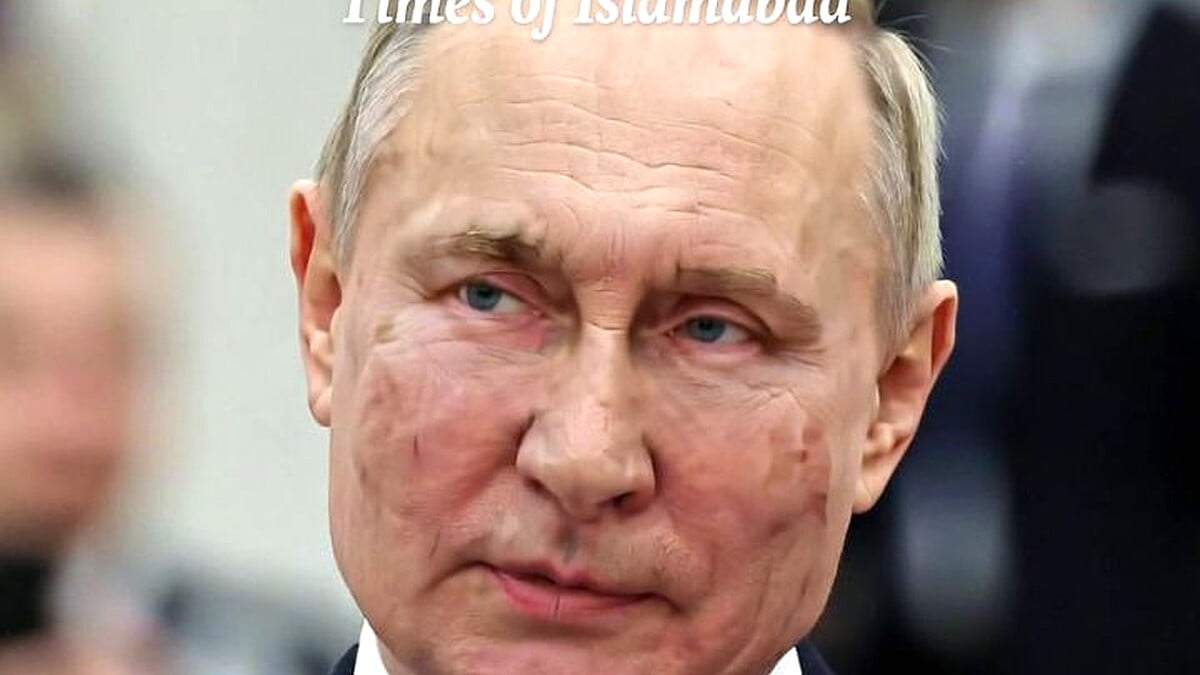




ISLAMABAD: Russia’s Ambassador to Pakistan Albert P Khorev has stated that Moscow stands ready to sell discounted oil to Islamabad if Pakistan initiates formal contact, highlighting energy cooperation as a cornerstone of bilateral relations.
The Russian diplomat made these remarks during a press conference in Islamabad, emphasizing that Russia is prepared to supply oil and that Pakistan could benefit significantly from such an arrangement in the current energy landscape.
Khorev noted that no official outreach from Pakistan regarding oil purchases has come to his attention so far. He reiterated that should Islamabad reach out, Russia would provide oil at competitive and reduced rates.
Energy remains a vital pillar in Pakistan-Russia ties, the ambassador stressed. Discussions between the two nations have increasingly focused on oil, gas and broader energy partnerships in recent years.
Pakistan has previously imported discounted Russian crude starting in 2023, aiming to ease pressure on foreign exchange reserves and lower domestic fuel costs amid volatile global prices.
Those initial shipments involved Russian Urals crude, which arrived at discounts compared to benchmark grades. However, technical challenges arose as many Pakistani refineries are configured for lighter crudes from the Middle East.
This mismatch led to a pause in further imports, though officials have described the halt as temporary rather than a permanent rejection of Russian supplies.
Recent global developments have renewed interest in alternative sources. Tensions in the Middle East, particularly around the Strait of Hormuz, have disrupted traditional supply routes and driven up oil prices sharply.
Reports indicate potential shipments of hundreds of thousands of barrels from Russia to Pakistan amid these uncertainties, signaling efforts to diversify import origins.
Pakistan’s heavy reliance on Gulf countries for crude and refined products exposes it to regional instability. A significant portion of its oil imports passes through vulnerable maritime chokepoints.
The ambassador also touched on broader geopolitical matters. He described Iran’s recent actions against American military sites in the Gulf as reactive, while declining to elaborate further due to the unpredictable situation.
Khorev expressed surprise at global reactions to military escalations under the current US administration, noting that forecasting the duration or resolution of such tensions remains impossible.
He characterized the overall environment as complex, with implications for energy markets worldwide.
Pakistan’s pursuit of cheaper energy aligns with ongoing talks on long-term oil deals. Energy ministries from both sides have engaged in discussions covering exploration, production and refining collaboration.
Finance Minister Muhammad Aurangzeb has previously indicated strong interest in agreements where Russia holds expertise advantages.
Upgrading Pakistani refineries to better process heavier Russian grades has featured in bilateral conversations, potentially involving Russian technical investment.
Such enhancements could enable consistent and larger-volume imports, reducing vulnerability to price spikes.
Pakistan’s recent solar energy expansion has provided some buffer against oil shocks. Fossil fuel imports declined notably in recent years as renewable capacity grew rapidly.
Despite this progress, transportation and industrial sectors still depend heavily on imported petroleum products, making cost-effective supplies critical.
Bilateral trade between Pakistan and Russia remains modest but shows growth potential in energy and other sectors.
Intergovernmental commissions have concluded sessions with new memorandums on cooperation, including in oil and gas frameworks.
The Russian envoy’s statement underscores Moscow’s willingness to expand its footprint in South Asian energy markets, especially as Western sanctions redirect Russian exports elsewhere.
For Pakistan, securing discounted oil could alleviate fiscal strain, support economic recovery efforts and stabilize domestic fuel prices.
Observers note that formal negotiations would need to address payment mechanisms, logistics and refinery compatibility to materialize into sustained supplies.
The offer arrives at a time when global oil dynamics are shifting rapidly due to geopolitical factors.
Pakistan’s strategic position offers opportunities for diversified partnerships, though implementation depends on diplomatic follow-through and technical alignment.
The ambassador’s comments reaffirm energy as a mutually beneficial domain in Pakistan-Russia relations, with potential for deeper integration if pursued actively.