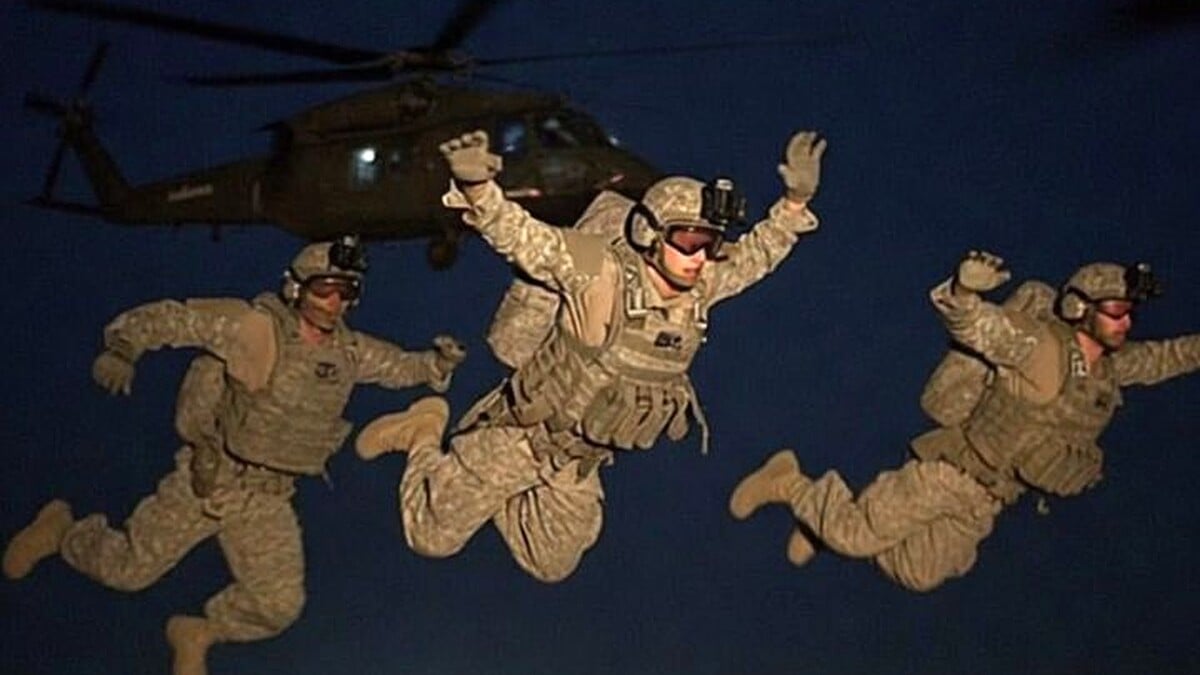




ISLAMABAD: The United States and Israel plan deploying special forces into Iran to secure its stockpile of highly enriched uranium, according to a report by Axios citing four sources familiar with the conversations.
This potential operation is envisioned as a later-stage action in the current conflict, aimed at preventing Iran from advancing toward nuclear weapons capability. The talks reflect heightened concerns over Tehran’s nuclear program following recent military escalations.
President Donald Trump has publicly indicated openness to ground operations in Iran under specific conditions. Speaking to reporters aboard Air Force One, he stated that troops could be deployed “for a very good reason,” adding that any such force would face a severely weakened adversary.
An Israeli defense official confirmed that Trump and his team are seriously weighing the use of special operations units for targeted missions inside Iran. These discussions build on earlier reports of U.S. interest in limited ground deployments for strategic purposes.
The focus remains on Iran’s stockpile of highly enriched uranium, material that experts assess could be further processed into weapons-grade levels if not secured or neutralized. Options under consideration include removing the material entirely from Iranian territory or deploying nuclear experts to dilute it on-site.
Recent military strikes have targeted Iranian nuclear infrastructure, but uncertainties persist regarding the exact location and accessibility of dispersed uranium stockpiles. Satellite imagery has shown activity around key sites like Natanz, underscoring the challenges in fully eliminating enrichment capabilities through air power alone.
The Axios report highlights that preventing Iran from ever acquiring a nuclear weapon ranks among Trump’s primary objectives in the conflict. This stance aligns with long-standing U.S. and Israeli policy priorities in the region.
Discussions have also explored broader implications, including the risks of escalation from inserting ground forces into sovereign Iranian territory. Special forces missions would likely involve small, precise raids rather than large-scale invasions, minimizing exposure while achieving specific goals.
Analysts note that such an operation would carry significant operational hazards, including potential Iranian retaliation and the complexities of navigating defended nuclear facilities. Past precedents, such as Israeli covert actions against regional threats, inform the planning but do not guarantee success.
The timing of any ground insertion remains contingent on battlefield developments. Officials emphasize that the move would occur only after air campaigns have sufficiently degraded Iranian defenses and command structures.
Trump administration statements suggest a preference for decisive action to forestall nuclear breakout. Earlier assessments indicated Iran possessed material sufficient for multiple potential devices, though enrichment levels and weaponization progress remain debated.
International observers express concern that unilateral military steps could further destabilize the Middle East. Diplomatic channels, though strained, have not been entirely abandoned in parallel to military planning.
The report coincides with ongoing operations that have already inflicted substantial damage on Iranian leadership and military assets. These efforts aim to create conditions where nuclear ambitions cannot be revived.
U.S. officials have privately discussed the necessity of physical intervention to address stockpiles that airstrikes alone may not fully neutralize. One source quoted in the Axios piece remarked that “people are going to have to go and get it,” underscoring the perceived limitations of remote strikes.
Israel’s involvement stems from its consistent view of Iran’s nuclear program as an existential threat. Joint planning reflects deepened coordination between Washington and Jerusalem amid the current war.
Broader regional dynamics, including spillover effects in neighboring countries, add layers of complexity to any ground operation. Iraqi Kurdish communities, for instance, face pressures from multiple sides as conflict boundaries blur.
The potential deployment represents a high-stakes escalation in a conflict already marked by intense aerial campaigns. Success would depend on intelligence accuracy, rapid execution, and minimal civilian impact.
As deliberations continue, the U.S. and Israel weigh the strategic benefits against the risks of prolonged engagement. The outcome could significantly shape the trajectory of Iran’s nuclear ambitions and regional security.