



ISLAMABAD: The United States has suffered nearly two billion dollars in military losses across the Middle East following a wave of retaliatory Iranian strikes that began on Saturday, according to estimates compiled from open-source intelligence assessments and regional confirmations. The damage, spread across critical air bases, naval facilities and radar installations, marks one of the most costly single episodes of equipment attrition for Washington in recent years.
The most significant loss is the reported damage to the AN/FPS-132 early warning radar system stationed at Al Udeid Air Base in Qatar. Valued at approximately $1.1 billion, the advanced radar forms a cornerstone of US ballistic missile detection architecture in the Gulf. Qatari authorities confirmed that the installation was struck and sustained damage during a missile attack attributed to Iran.
The AN/FPS-132, part of a broader missile defence shield, provides long-range tracking of ballistic missile threats. Its impairment not only carries a high replacement cost but also strategic implications, potentially affecting regional early-warning capabilities until repairs or redeployments are completed.
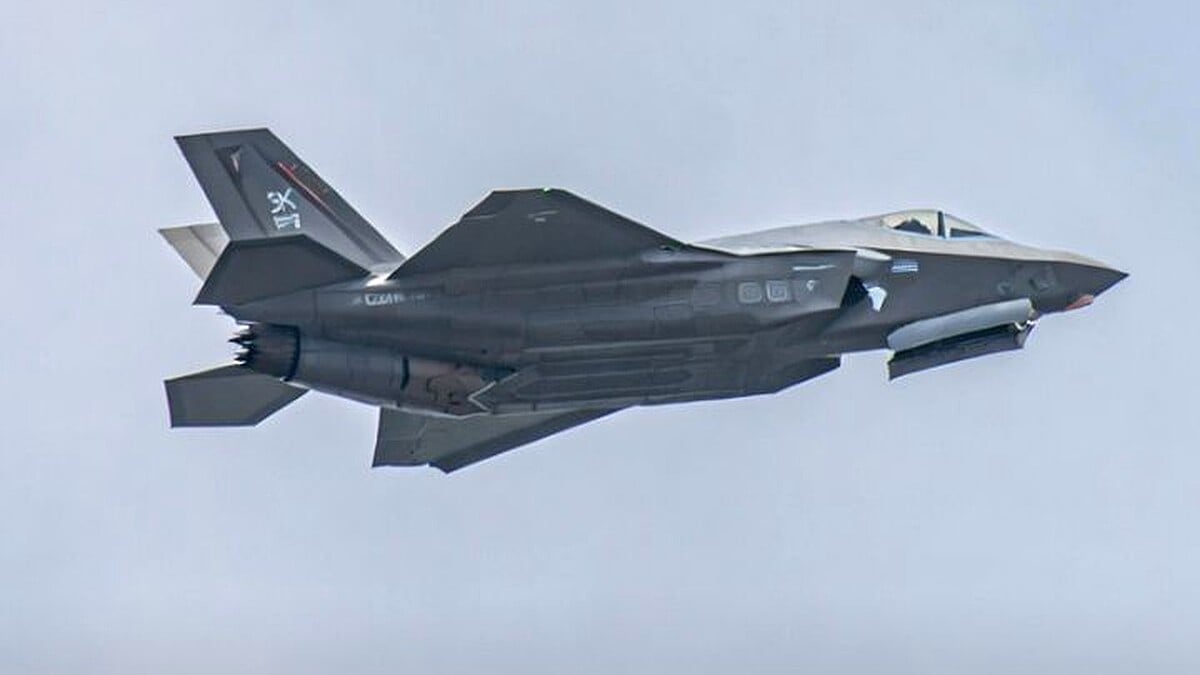
Further compounding the financial toll, three F-15E Strike Eagle fighter aircraft were reportedly lost in a friendly fire incident involving Kuwaiti air defences on Sunday. Although all six crew members survived, the destruction of the aircraft represents an estimated replacement cost of $282 million. The F-15E, a dual-role fighter capable of deep strike missions, remains a critical component of US air power projection in the region.
Iran’s initial retaliatory barrage also targeted the US Navy’s Fifth Fleet headquarters in Manama, Bahrain. Satellite imagery and defence analysis indicate that at least two satellite communications terminals were destroyed, alongside structural damage to several large buildings within the facility’s perimeter.
Open-source intelligence experts identified the damaged communications equipment as AN/GSC-52B satellite terminals. Factoring deployment and installation, each unit carries an estimated cost of $20 million. The Fifth Fleet headquarters serves as a nerve centre for US naval operations in the Gulf, Red Sea and Arabian Sea, making the strike symbolically and operationally significant.
In the United Arab Emirates, Iran claimed it had destroyed the AN/TPY-2 radar component of the THAAD anti-ballistic missile system deployed at Al-Ruwais Industrial City. Commercial satellite imagery reviewed by independent analysts suggests that a direct hit likely occurred. The radar component alone is valued at roughly $500 million.
The AN/TPY-2 radar is integral to the Terminal High Altitude Area Defense system, providing precision tracking of incoming ballistic missiles. Its potential destruction represents both a substantial financial loss and a degradation of layered missile defence coverage in the Gulf.
When combined, the confirmed and estimated damages amount to approximately $1.902 billion in US military assets. The figure, while preliminary and subject to official verification, underscores the material cost of the rapidly escalating confrontation.
Iran’s strikes have reportedly targeted at least seven US-linked military sites since hostilities intensified. These include the Fifth Fleet headquarters in Bahrain; Camp Arifjan, Ali Al Salem Air Base and Camp Buehring in Kuwait; Erbil Base in Iraq; Jebel Ali Port in the UAE; and Al Udeid Air Base in Qatar.
In Kuwait, images circulating on social media and reviewed by analysts showed collapsed rooftops and structural damage at Ali Al Salem Air Base following reported missile impacts. Camp Arifjan was identified as the primary site where six US service members were killed during the hostilities, adding a human toll to the financial and infrastructural damage.
A widely shared video from Camp Buehring appeared to show a drone flying over the installation before detonating within its perimeter. The footage, while not independently verified in full, aligns with reports of unmanned aerial systems being deployed in the attack sequence.
In Iraq, visual material verified by the New York Times indicated repeated strikes on the military installation at Erbil International Airport, where US forces are stationed. Smoke plumes and visible flames suggested sustained targeting over the weekend, highlighting the geographical breadth of the retaliatory campaign.
Beyond the immediate material damage, defence analysts note that the targeting of high-value radar and communications assets reflects a calibrated strategy aimed at degrading surveillance and coordination capabilities rather than merely inflicting symbolic blows. Such equipment forms the backbone of missile defence networks, early warning systems and command-and-control structures across the Gulf.
The financial impact also raises questions about long-term sustainability and force protection. Replacing advanced radar systems and fighter aircraft involves extended production timelines, complex logistics and coordination with host nations. Moreover, redeploying temporary assets to fill capability gaps may further stretch existing resources.
For regional governments hosting US installations, the strikes underscore the vulnerability of strategic infrastructure amid intensifying confrontation. Qatar, Bahrain, Kuwait and the United Arab Emirates have invested heavily in defence partnerships with Washington, and the latest escalation places their territory at the centre of a broader geopolitical contest.
While US officials have yet to release a comprehensive damage assessment, the preliminary estimates compiled from open-source data provide a stark indication of the economic costs accompanying the military exchange. As the confrontation evolves, the true extent of losses — both material and strategic — may become clearer.
What remains evident is that the financial burden of modern warfare extends far beyond immediate battlefield outcomes. With nearly two billion dollars in assets reportedly damaged within days, the unfolding crisis signals a new phase of risk for US military infrastructure across the Middle East.