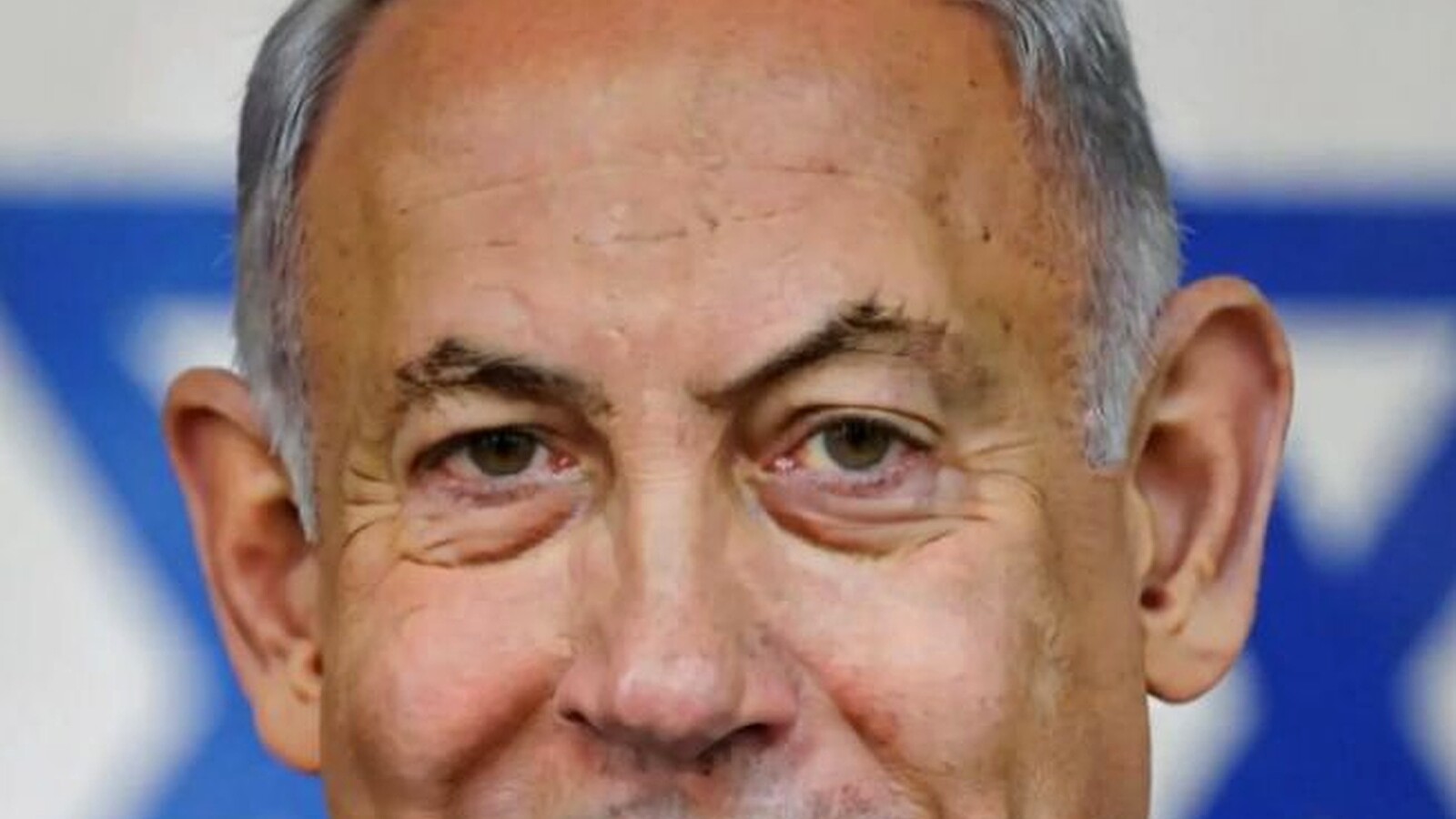




IRGC asserts targeted missile attack on Israeli Prime Minister’s office, with Benjamin Netanyahu’s condition reported as unknown.
ISLAMABAD: Iran’s Islamic Revolutionary Guard Corps (IRGC) has claimed responsibility for a missile strike on the office of Israeli Prime Minister Benjamin Netanyahu this morning, describing the operation as a precise and surprise attack amid the ongoing escalation in the Middle East conflict.
The IRGC stated that its forces employed Kheybar Shekan ballistic missiles in the tenth wave of operations, targeting both Netanyahu’s office in Tel Aviv and the location associated with the Israeli Air Force commander. In an official statement released via Telegram, the IRGC referred to Netanyahu as the “criminal Israeli PM” and asserted that the strikes were successful, leaving his fate currently unclear.
This development follows a series of intense exchanges between Iran and Israel, triggered by recent joint U.S.-Israel military operations against Iranian targets. Reports indicate that these prior strikes resulted in the death of Iran’s Supreme Leader Ayatollah Ali Khamenei and significant damage to ballistic missile sites, naval assets, and command centers in Tehran.
Iranian authorities have reported over 200 fatalities from the initial bombardments, which involved U.S. B-2 stealth bombers deploying heavy munitions. In retaliation, Iran launched missile barrages toward Israel and U.S. bases in the region, including strikes on Gulf Arab states, leading to the first confirmed American casualties—three U.S. service members killed.
Israeli sources have not yet provided official confirmation or denial of the IRGC’s claims regarding the strike on Netanyahu’s office. Rescue and security operations in Tel Aviv remain ongoing, with no immediate details released on casualties or structural damage at the targeted site.
The IRGC’s assertion highlights the use of advanced Kheybar Shekan missiles, known for their precision guidance and extended range capabilities. These weapons form part of Iran’s ballistic missile arsenal, developed to counter perceived threats from Israel and its allies.
The broader context of the conflict reveals a pattern of tit-for-tat attacks that have intensified regional instability. Israel’s military has conducted widespread airstrikes, including operations against IRGC headquarters in Tehran, with footage released showing precision hits on key facilities.
U.S. President Donald Trump has publicly commented on the campaign, stating that key Iranian assets, including naval headquarters and warships, were destroyed. He described the operations as decisive responses to prior aggressions.
Analysts observe that the targeting of high-profile leadership figures marks a dangerous escalation. Previous incidents, such as Israel’s hijacking of Iranian state television broadcasts to air messages from Netanyahu urging Iranians to oppose their regime, underscore the psychological dimensions of the warfare.
The strike claim arrives against a backdrop of heightened alerts across Israel, with air raid sirens reported in multiple cities following Iranian missile launches. Civilian casualties have been documented, including incidents in Jerusalem and Beit Shemesh, where a synagogue strike killed nine and injured 28.
International observers express concern over the potential for further widening of the conflict, involving proxies such as Hezbollah and other Iran-aligned groups. Diplomatic channels remain strained, with no immediate indications of de-escalation.
The IRGC’s statement emphasized the retaliatory nature of the operation, framing it as part of ongoing waves of response to the loss of senior Iranian leadership and military infrastructure. Details on the full impact and any follow-up actions are expected to emerge in subsequent announcements.
As the situation develops, regional and global powers monitor closely for signs of additional strikes or diplomatic interventions. The uncertainty surrounding Netanyahu’s condition has amplified speculation and tension within Israel and beyond.
This incident represents one of the most direct attempts to target Israel’s executive leadership in the current phase of hostilities, raising questions about command continuity and strategic responses.
The Middle East remains on edge, with military postures elevated on all sides and the risk of prolonged confrontation looming large.