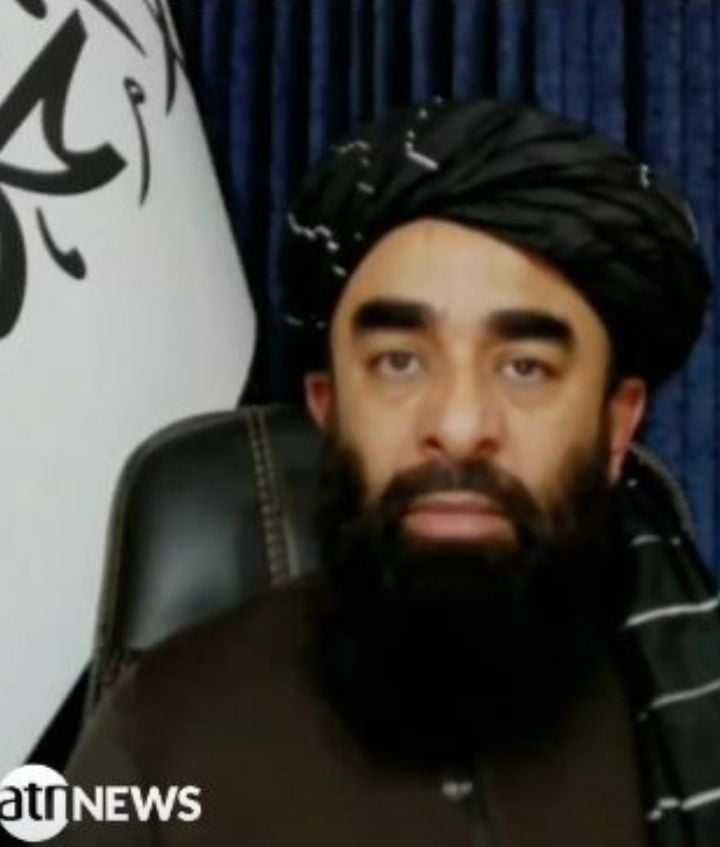




ISLAMABAD: Afghanistan’s Taliban-led government has expressed a strong desire for dialogue with Pakistan to resolve the ongoing fighting along their shared border, even as cross-border strikes intensified on February 27, 2026.
Taliban government spokesperson Zabihullah Mujahid stated in a news conference that Kabul has repeatedly pushed for a peaceful solution. He emphasized that the Islamic Emirate still seeks talks to address the crisis.
The remarks came hours after Pakistan declared an “open war” following Afghan attacks on its military positions. Pakistan responded with airstrikes targeting locations in Kabul, Kandahar, and Paktia provinces.
Mujahid confirmed Pakistani air operations hit parts of the Afghan capital and other areas. He noted reconnaissance planes continued flying over Afghan airspace, heightening tensions.
Pakistan’s Defence Minister Khawaja Mohammad Asif announced the shift to open conflict. He cited Afghanistan’s alleged harboring of militants as the core issue driving the escalation.
The conflict stems from longstanding accusations that the Taliban administration provides safe havens to the Tehreek-e-Taliban Pakistan (TTP). Pakistan blames the TTP for a surge in attacks on its security forces and civilians.
Data from Pakistani authorities indicates militant violence has claimed over 1,200 lives in 2025 alone, including military personnel and civilians. Many incidents occurred in border regions like Khyber Pakhtunkhwa and Balochistan.
The TTP, an offshoot ideologically aligned with the Afghan Taliban but operating separately, has intensified operations since the 2021 U.S. withdrawal from Afghanistan. Attacks targeted markets, mosques, police stations, and military bases.
Pakistan has conducted multiple cross-border operations to neutralize TTP hideouts. Recent airstrikes aimed at alleged militant camps in Nangarhar, Paktika, and Khost provinces sought to curb threats.
A fragile ceasefire mediated by Qatar and Turkiye in October 2025 briefly halted major clashes. However, low-level incidents persisted, and talks failed to yield a lasting agreement.
The latest flare-up began with Pakistani strikes last weekend, killing dozens of alleged militants according to Islamabad. Kabul dismissed those claims, asserting civilian casualties including women and children.
In retaliation, Afghan forces launched large-scale offensive operations along the Durand Line on Thursday night. Mujahid claimed these actions targeted Pakistani military installations across multiple sectors.
Casualty figures vary sharply between the sides. Afghanistan reported killing 55 Pakistani soldiers and seizing several posts. Pakistan claimed over 130 Taliban fighters killed, with hundreds wounded and numerous positions destroyed.
Mujahid described the Afghan operations as defensive responses to repeated Pakistani actions. He reiterated calls for dialogue to prevent further bloodshed.
International reactions have urged restraint. Iran called for resolution through good neighborly principles during Ramadan. The United Nations emphasized protecting civilians and pursuing diplomacy.
Russia and other regional players have intervened, pushing for an immediate halt to strikes. Analysts warn escalation risks destabilizing both nations and emboldening other armed groups like Islamic State-Khorasan Province.
The Durand Line, the 2,600-kilometer disputed border, remains a flashpoint. Historical frictions over its legitimacy compound security concerns.
Pakistan maintains the TTP insurgency is fueled by Afghan sanctuaries. Kabul counters that the problem is internal to Pakistan and denies systematic support.
Despite ideological ties, the Afghan Taliban appear reluctant to crack down on TTP fighters. Fears of defections to rival groups like IS-KP complicate any potential action.
Retired military experts note this marks uncharted territory. Direct strikes on cities like Kabul signal a departure from previous border-limited engagements.
The operation, dubbed Ghazab Lil Haq or Righteous Fury by Pakistan, continues according to officials. Both militaries remain on high alert.
Mujahid’s appeal for talks highlights a potential off-ramp. Previous rounds in Istanbul and elsewhere failed due to mutual distrust.
Regional stability hangs in the balance. A prolonged conflict could displace thousands more civilians and exacerbate humanitarian crises in Afghanistan.
Economic impacts are already visible. Border trade disruptions affect livelihoods in both countries.
As fighting rages, the international community watches closely. Calls for mediated negotiations grow louder to avert a wider regional crisis.
Whether dialogue materializes remains uncertain. Deep-seated grievances and security imperatives drive the current impasse.