



ISLAMABAD: Afghanistan’s Taliban-led government has declared it will deliver a military response to recent Pakistani airstrikes on its territory, accusing Islamabad of targeting civilians and providing safe havens to Daesh fighters.
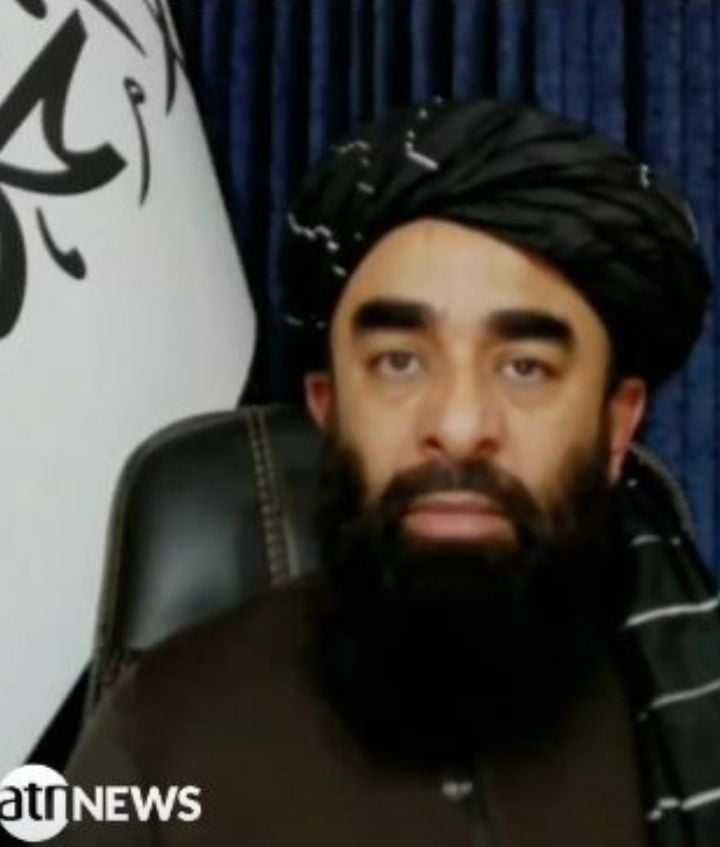
The announcement came from Taliban spokesman Zabihullah Mujahid in an exclusive interview with Al Arabiya English on Wednesday.
He described the Pakistani actions as a “shameful act” that demands a reply, while keeping operational details confidential.
The strikes occurred overnight on February 21-22, targeting areas in Nangarhar and Paktika provinces near the porous border.
Pakistan’s military described the operations as intelligence-based and selective, aimed at seven camps and hideouts linked to the Tehreek-e-Taliban Pakistan (TTP) and Islamic State Khorasan Province (ISKP).
Officials in Islamabad claimed over 80 militants were eliminated in the raids, framing them as a necessary retort to a surge in cross-border terrorism.
Recent attacks in Pakistan, including a suicide bombing at a Shia mosque in Islamabad during Ramadan, were cited as triggers, with blame placed on groups operating from Afghan soil.
Afghan sources, however, reported heavy civilian casualties, with at least 18 people killed, including women and children, and several missing under rubble.
The Taliban defence ministry condemned the strikes as hitting residential homes, a religious school, and other civilian structures in provinces like Nangarhar’s Behsud district.
Local accounts and reports from the United Nations Assistance Mission in Afghanistan (UNAMA) confirmed civilian deaths, with one assessment noting 13 civilians killed in Nangarhar alone.
Mujahid alleged that strikes in Paktika damaged a school, injuring a child and destroying parts of the building where 22 children were studying.
He rejected Pakistan’s claims of militant targets, insisting no armed groups use Afghan territory against neighbours and accusing Islamabad of basing actions on flawed intelligence.
The Taliban also levelled counter-charges, claiming Pakistan harbours Daesh elements and fails to address its internal security issues.
This rhetoric mirrors longstanding mutual accusations along the disputed Durand Line, where tensions have simmered since the Taliban’s 2021 takeover.
Pakistan has repeatedly urged Kabul to dismantle TTP sanctuaries, arguing the group’s attacks have intensified despite diplomatic pressure.
The latest airstrikes mark a significant escalation, following earlier incidents and a fragile ceasefire after clashes in late 2025.
Border skirmishes resumed soon after, with reports of artillery exchanges and small-arms fire in multiple sectors, including Urgha.
Both sides traded blame for initiating the fresh clashes, heightening risks of broader confrontation.
UN High Commissioner for Human Rights Volker Türk appealed for urgent dialogue on February 26, warning against further force amid rising civilian tolls.
He highlighted 70 civilian deaths and hundreds injured in Afghanistan from late 2025 violence, plus recent airstrike casualties.
The international community watches closely, as the 2,600-kilometre border remains a flashpoint in South Asia’s security landscape.
Analysts note that without de-escalation, reciprocal actions could undermine regional stability and counterterrorism efforts.
Pakistan maintains its operations protect citizens from terrorism exported across the frontier.
The Taliban insists on sovereignty and denies facilitating militants, vowing a “measured and appropriate” or “calculated” response at a suitable time.
Mujahid’s statements reinforce this stance, signalling potential military steps while avoiding specifics to preserve strategic surprise.
No immediate large-scale retaliation has materialised, but the rhetoric sustains high alert levels on both sides.
Diplomatic channels, including summons of envoys, have been activated amid the fallout.
The episode underscores persistent challenges in Pak-Afghan relations, rooted in historical disputes, militant sanctuaries, and differing threat perceptions.
As civilian suffering mounts, calls for restraint and talks grow louder from global observers.
The situation remains fluid, with potential for further developments in the coming days.