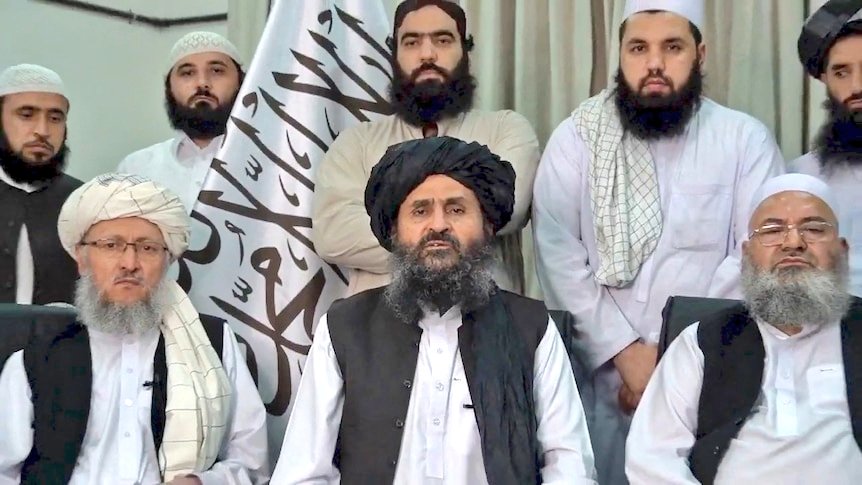




ISLAMABAD: Iran’s acting ambassador to Afghanistan, Alireza Bigdeli, has declared that Tehran will soon formally recognise the Islamic Emirate of Afghanistan as the country’s legitimate government under Taliban rule.
The statement marks a pivotal shift in Iran’s approach toward the Taliban administration, which seized power in August 2021 following the withdrawal of US-led forces.
Bigdeli made the remarks in a recent interview with Afghan media, emphasising that no internal barriers exist within Iran to proceeding with recognition.
He described current relations between the two neighbours as close and fraternal, highlighting expanding cooperation in political, security, and economic domains despite the lack of official diplomatic acknowledgment until now.
Iran shares a 950-kilometre porous border with Afghanistan, making stability along this frontier a core national security priority for Tehran.
Tensions have persisted over water rights from the Helmand River, migrant flows, and occasional border clashes, yet pragmatic engagement has grown steadily since the Taliban’s return to power.
In February 2023, Iran handed over the Afghan embassy in Tehran to Taliban-appointed diplomats, a significant step toward normalisation without full recognition.
Iran has also accredited Taliban nominees for chargé d’affaires roles and maintained active diplomatic channels through special envoys.
The ambassador’s comments suggest that Tehran views recognition as a logical next move to solidify these practical ties and advance mutual interests.
Russia became the first country to formally recognise the Taliban government in July 2025, accepting credentials from its ambassador and raising the Islamic Emirate’s flag at its Moscow embassy.
This precedent has encouraged regional actors to deepen engagement, with several nations appointing or accepting ambassadors to and from Kabul.
China appointed an ambassador to Afghanistan as early as 2023, while the United Arab Emirates and others have accredited Taliban diplomats without extending full state recognition.
Iran’s potential move aligns with broader regional trends, where neighbours prioritise security, trade, and counter-terrorism over Western-led conditions for legitimacy.
Tehran has consistently advocated for regional solutions to Afghan issues, warning against external interference that could destabilise the country further.
Bigdeli stressed that cooperation rather than confrontation serves shared goals, including preventing Afghanistan from becoming a base for hostile activities.
Economic incentives also drive the policy shift, as both countries seek to boost trade volumes that have remained resilient despite international sanctions on Iran and isolation of the Taliban.
Iran has proposed joint free economic zones along the border to create jobs and enhance exports and imports.
Bilateral discussions have covered infrastructure projects, energy cooperation, and transit routes linking Afghanistan to Iranian ports.
The Taliban has reciprocated by expressing solidarity with Iran against potential foreign aggression, signaling strategic alignment.
Taliban spokesperson Zabihullah Mujahid has publicly indicated willingness to cooperate with Tehran in various scenarios.
Such statements reflect growing mutual dependence amid regional geopolitical pressures.
For Iran, recognising the Islamic Emirate could enhance influence in Central Asia and counterbalance other powers vying for sway in Kabul.
It may also facilitate better management of Afghan refugees in Iran, where millions reside, many facing deportation pressures.
Critics within Afghanistan and abroad express concern that premature recognition rewards the Taliban without concessions on human rights, women’s education, or inclusive governance.
Iran previously conditioned full ties on the formation of an inclusive government representing all ethnic groups.
Recent statements from Bigdeli notably omit this demand, suggesting a de-emphasis under the current administration.
This evolution reflects pragmatism, as Tehran balances ideological reservations with strategic necessities.
The international community remains divided on engaging the Taliban, with no broad consensus on recognition.
Western nations continue to withhold formal ties, citing concerns over governance and rights.
Regional players, however, appear to prioritise stability and economic connectivity.
If Iran proceeds with recognition, it could accelerate similar decisions by other neighbours and further erode the isolation imposed on the Taliban since 2021.
Observers note that such a step would strengthen the Taliban’s diplomatic position without requiring major internal reforms.
Bigdeli indicated that Tehran would announce the decision at an appropriate time, potentially with an initiative to strengthen bilateral bonds.
The move underscores the shifting dynamics in South and Central Asia, where pragmatic diplomacy increasingly defines relations with Kabul.
As Afghanistan navigates its international standing, Iran’s forthcoming recognition may prove a catalyst for broader regional acceptance of the Islamic Emirate.