



ISLAMABAD: President Donald Trump is interested in calling on Arab states to help pay for the ongoing war against Iran, the White House said on Monday, reviving memories of the 1991 Gulf War funding model.
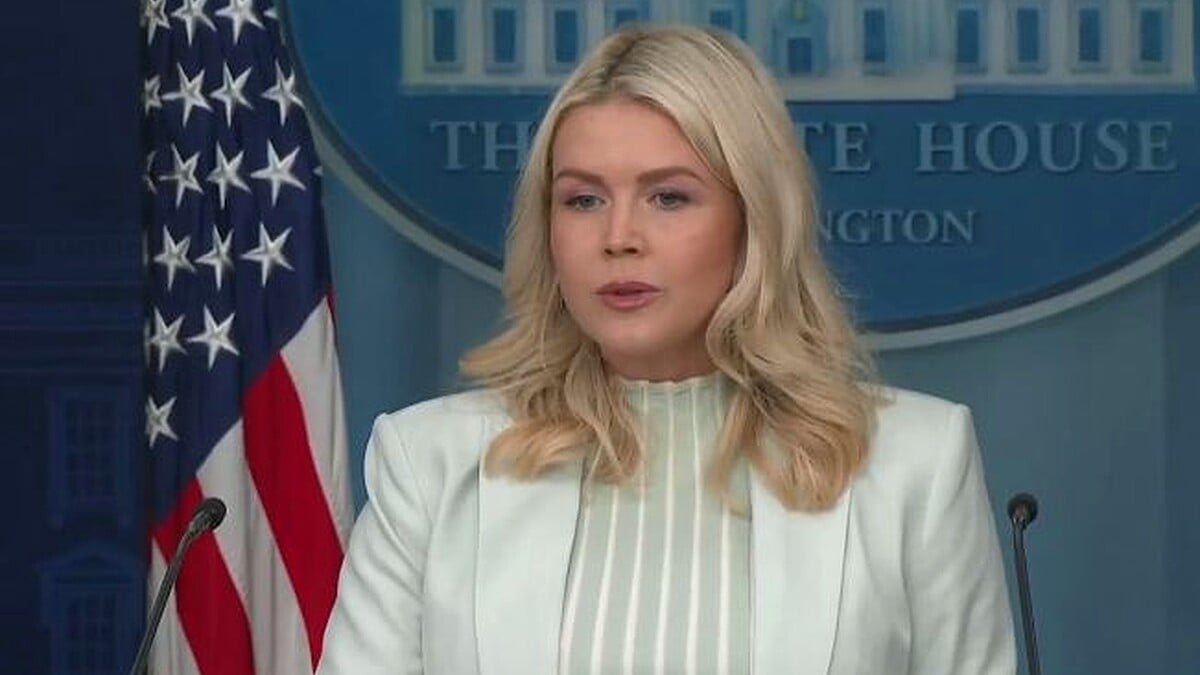
White House Press Secretary Karoline Leavitt confirmed the idea during a briefing, stating it was something the president would be quite interested in pursuing.
Leavitt noted that Trump had the concept in mind but stopped short of announcing any formal request or timeline.
The remarks come as the United States continues military operations against Iran while holding talks with Tehran that officials describe as progressing well.
Estimates place the cost of the conflict, dubbed Operation Epic Fury in some analyses, at tens of billions of dollars already, with daily military expenditures averaging around one billion dollars in the early phases.
The White House is separately seeking an additional 200 billion dollars from Congress to replenish ammunition stocks and sustain operations depleted by the campaign and prior commitments.
This funding push faces resistance on Capitol Hill, adding urgency to explore alternative sources including regional allies.
In the 1990-91 Gulf War, Kuwait, Saudi Arabia and the United Arab Emirates covered the vast majority of costs for the US-led coalition, a precedent now being quietly referenced in Washington.
Analysts suggest the current war, now in its second month, has involved extensive airstrikes, naval deployments in the Strait of Hormuz and support for Israeli operations.
Iranian retaliatory actions have included missile strikes on Gulf targets and disruptions to shipping, affecting energy markets globally.
Oil prices have seen record monthly gains amid fears over the strategic waterway that handles nearly 20 percent of global oil trade.
Gulf allies including Saudi Arabia and the UAE have privately urged the Trump administration to press on until Iranian leadership faces decisive changes, according to multiple reports citing US, Gulf and Israeli officials.
These states initially expressed concerns over lack of advance notice for strikes but now view the conflict as an opportunity to weaken Tehran long-term.
However, they remain wary of direct involvement, preferring logistical and financial support while avoiding full-scale entanglement.
Talks with Iran, facilitated through intermediaries, have reportedly covered major points of agreement, with Trump previously stating a deal could come soon if momentum holds.
The administration has floated a 15-point ceasefire proposal, though details remain limited.
Regime change in Iran has been suggested by Trump in past comments, though current focus appears on negotiations to end hostilities.
Regional media in the Middle East have amplified claims that Gulf states could face pressure to contribute up to trillions in various scenarios, though such figures appear exaggerated and unconfirmed by official US sources.
International outlets including Reuters, Al Jazeera and the Associated Press have widely covered the White House statement, underscoring its potential to reshape alliance dynamics in the Persian Gulf.
The proposal raises questions about burden-sharing in US-led conflicts, especially as American public opinion shows limited appetite for prolonged engagement.
A recent Reuters/Ipsos poll indicated 65 percent of Americans expect possible ground troops in Iran, yet only seven percent support that option.
Trump has publicly ruled out large-scale troop deployments while keeping options open for targeted actions.
Energy security remains a flashpoint, with disruptions in the Strait of Hormuz prompting calls for allies to assist in de-mining and escort operations.
European nations have largely declined deeper involvement, describing the conflict as not theirs to fight.
Japan, a key Asian ally, faces domestic constitutional limits on military roles despite US pressure.
The financial model under discussion could ease strain on the US budget but risks straining relations with Gulf partners already impacted by Iranian counterstrikes.
Bahrain, Kuwait and others have reported civilian casualties and infrastructure damage from retaliatory attacks.
Saudi Arabia intercepted multiple threats aimed at its oil facilities, highlighting the shared risks.
As diplomacy continues, the White House insists talks with Tehran are advancing positively even as military pressure persists.
Leavitt hinted that more details from the president on Arab funding could emerge soon.
The development adds a new layer to the complex geopolitics of the Middle East, where security, energy and economics intersect.
Observers note that any formal call on Arab states would likely involve high-level diplomacy with leaders such as Saudi Crown Prince Mohammed bin Salman.
The outcome could influence future coalition-building and set precedents for conflict financing in an era of great power competition.
For now, the idea remains an intriguing possibility that could significantly alter how the Iran war is sustained and concluded.