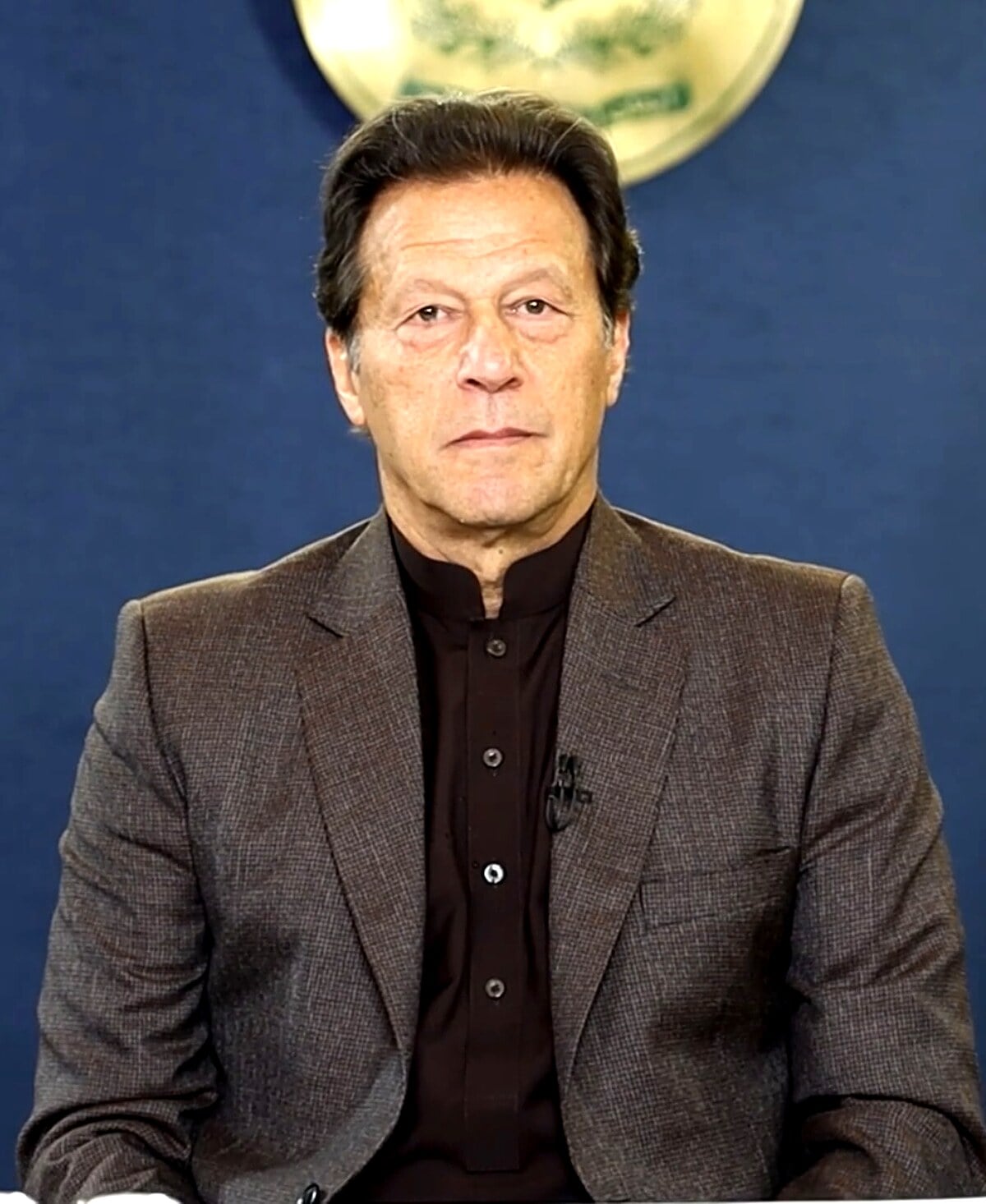




noting medical improvement
Categories: Pakistan, Politics
Tags: Imran Khan, PIMS Hospital, Adiala Jail, PTI
ISLAMABAD: Doctors at Pakistan Institute of Medical Sciences have reported
positive developments in former Prime Minister Imran Khan’s eye health
following his fourth medical procedure this week.
The former premier was brought from Adiala Jail in Rawalpindi to the
capital’s leading hospital for a scheduled check-up and treatment.
Hospital administration confirmed that an Optical Coherence Tomography scan
conducted before the procedure showed clear signs of improvement in the
affected areas of the retina.
This marks the fourth intravitreal injection administered to Imran Khan as
part of ongoing care for his eye condition.
Medical teams described him as clinically stable throughout the process
with no complications during or after the daycare procedure.
PIMS officials stated that informed consent was obtained and the injection
was performed under strict protocols by experienced ophthalmologists.
The former prime minister was discharged the same day with detailed
follow-up instructions and necessary medications.
Pakistan Tehreek-e-Insaf leaders have long raised concerns regarding timely
medical access for their chairman while in custody since 2023.
This latest visit comes amid continuous monitoring of his health parameters
inside Adiala Jail where he faces multiple legal cases.
Experts note that intravitreal anti-VEGF injections are standard for
managing retinal conditions such as central retinal vein occlusion which
can significantly impact vision if untreated.
Previous procedures at the same facility had already indicated gradual
progress with each intervention building on the last.
OCT scans provide high-resolution images of retinal layers allowing precise
tracking of treatment effectiveness over time.
Imran Khan’s case has drawn attention from supporters who continue to
highlight the importance of uninterrupted healthcare for high-profile
detainees.
Hospital sources emphasized that the procedure followed all standard
operating procedures for day-care surgeries ensuring patient safety at
every step.
The fourth injection suggests a structured treatment plan aimed at
long-term stabilization of his vision.
Medical boards earlier involved specialists from PIMS and other leading eye
institutes to assess the condition comprehensively.
Reports indicate that Imran Khan maintained vital stability before during
and after the intervention.
This development provides some relief to those following his health updates
closely over the past months.
Observers point out that consistent access to specialized care remains
critical for managing chronic conditions in custodial settings.
The Pakistan Institute of Medical Sciences as a major tertiary facility
continues to handle such referrals with professional expertise.
Supporters argue that regular hospital visits reflect efforts to address
emerging health needs promptly.
Analysts suggest that such medical updates play a role in shaping public
discourse around judicial and detention matters.
The former premier’s resilience amid legal and health challenges has been a
subject of widespread discussion across the country.
Further follow-ups are expected as doctors monitor response to the latest
intervention.
Questions persist on how ongoing treatment will evolve in the coming weeks
while he remains in Adiala Jail.
Broader implications for health management protocols in high-security
facilities continue to spark debate among legal and rights experts.
This case underscores the balance between legal processes and necessary
medical support for individuals in custody.
As new details emerge from future check-ups the focus will likely stay on
ensuring optimal health outcomes.
The latest positive scan results offer a note of progress in what has been
a closely watched health situation.
Many await additional clarifications on long-term prognosis following the
series of injections.
The episode highlights the role of public hospitals in delivering
specialized care under challenging circumstances.
Moving forward uncertainties remain regarding the full trajectory of
recovery and its intersection with legal proceedings.