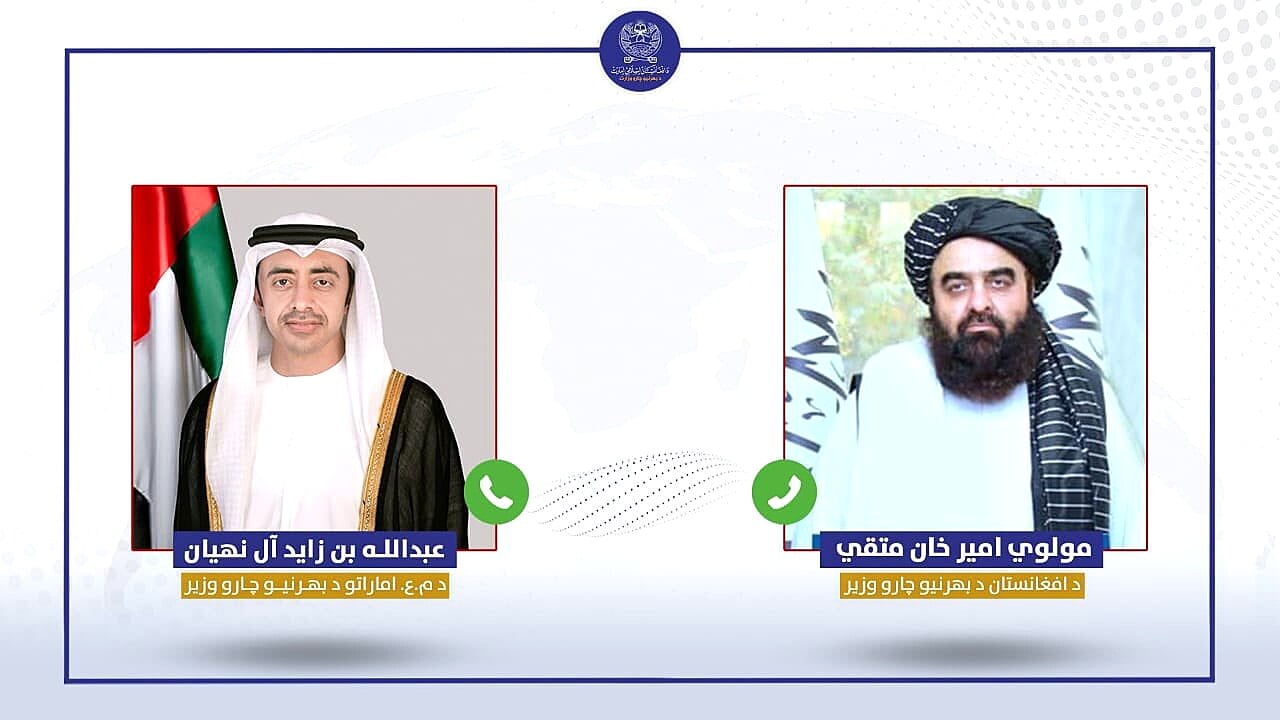




ISLAMABAD: Pakistan has firmly rejected the latest security assurances from the Afghan Taliban regime, highlighting a glaring mismatch between diplomatic words and the escalating militancy on the ground.
Taliban acting foreign minister Mawlawi Amir Khan Muttaqi made the remarks in a telephone conversation with the UAE foreign minister.
He stressed Kabul’s commitment to resolving issues through dialogue and negotiations as neighbours.
Muttaqi claimed Afghanistan would not allow its territory to be used against Pakistan and that concrete steps had already been taken.
A senior Pakistani official dismissed these assertions as disconnected from reality while speaking to local media.
The official emphasised that if statements reflected actions the security landscape would look entirely different today.
Pakistan’s position remains unchanged the Afghan Taliban must immediately stop harbouring and supporting Tehrik-i-Taliban Pakistan elements.
Continued presence facilitation and cross-border movement of militants only deepen the existing trust deficit.
Data from the Pakistan Institute for Conflict and Security Studies paints a grim picture of 2025 as the deadliest year in over a decade.
The think tank recorded 3413 conflict-related deaths representing a 74 per cent surge from the previous year.
Security personnel fatalities hit 667 the highest annual figure since 2011.
Civilian deaths reached 580 marking the highest toll since 2015.
The Tehrik-i-Taliban Pakistan emerged as the deadliest terror outfit in Pakistan and the third deadliest globally according to the Global Terrorism Index.
TTP-linked attacks caused 637 deaths in 2025 alone accounting for 56 per cent of all terrorism-related fatalities nationwide.
Terror incidents attributed to the group jumped 24 per cent to 595 attacks compared with 481 the year before.
More than 3500 Pakistani security personnel and civilians have perished in TTP violence since the Taliban’s 2021 takeover of Afghanistan.
Analyses by the Armed Conflict Location and Event Data Project confirm over 600 TTP attacks or clashes with forces in the past year.
Khyber Pakhtunkhwa province absorbed 71 per cent of incidents and nearly 68 per cent of fatalities.
Cross-border militant mobility remains a core issue with many TTP commanders and fighters moving between Afghan sanctuaries and Pakistani targets.
The Pakistan Institute for Peace and Conflict Studies noted a sharp escalation in both scale and lethality of assaults throughout 2025.
Independent reports indicate TTP training camps operate in Afghan border provinces including Kunar Nangarhar Khost and Paktika.
This surge persists despite repeated Taliban denials of any TTP presence on their soil.
The disconnect between official assurances and verifiable ground realities has intensified concerns over regional stability.
Experts warn that without actionable measures the trust deficit risks triggering further border confrontations along the Durand Line.
Pakistan has repeatedly shared intelligence on TTP hideouts yet Afghan authorities have shown limited concrete follow-through.
The recent telephone diplomacy while presented as a goodwill gesture has failed to ease Islamabad’s deep-seated security worries.
Historical patterns reveal such verbal commitments rarely translate into operational crackdowns on allied militant networks.
Pakistan insists on verifiable actions including arrests and handovers rather than repeated statements.
As bilateral tensions simmer the episode underscores the fragile balance of ideology history and security along the shared frontier.
Regional observers note that unresolved militancy threatens to destabilise not only Pakistan but the broader South Asian landscape.
The situation demands urgent concrete steps to restore credibility and prevent further loss of life on both sides of the border.