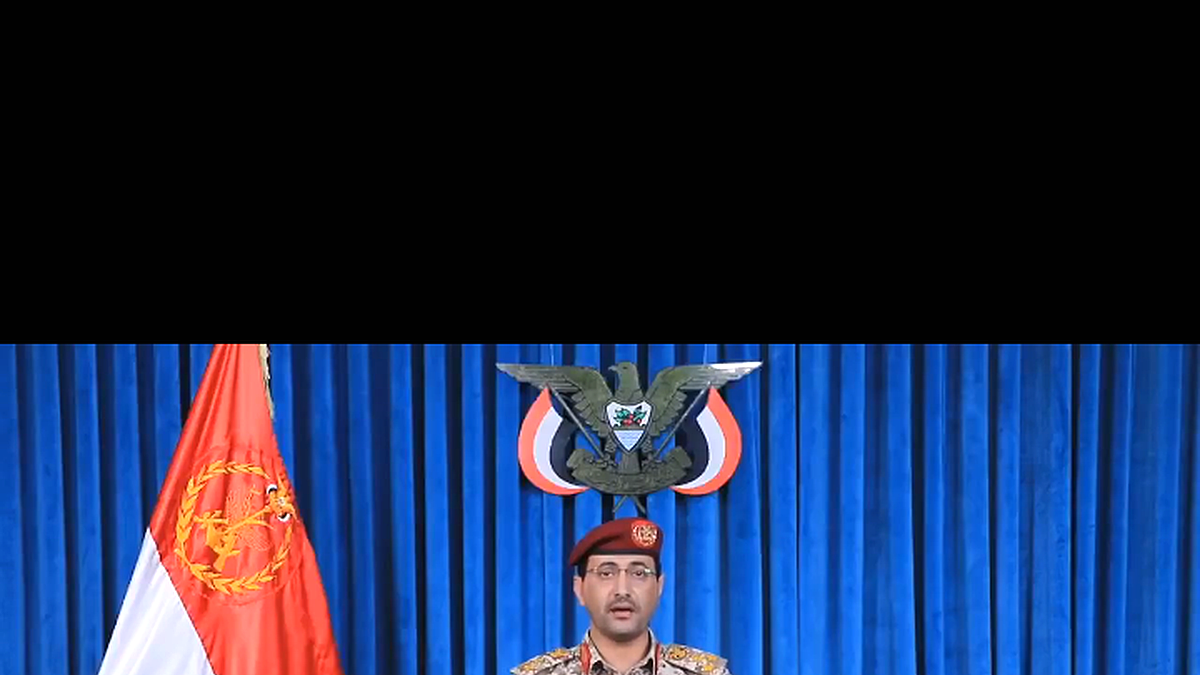




ISLAMABAD: Yemen’s Iran-backed Houthi rebels announced on Saturday the launch of a barrage of ballistic missiles targeting sensitive Israeli military sites in southern Israel, marking their first direct involvement in the current Middle East war that erupted on February 28.
The announcement followed Israel’s detection and successful interception of the incoming projectiles, with air raid sirens sounding across Beersheba and surrounding areas in the south and centre of the country.
Houthi military spokesman Brigadier General Yahya Saree declared the operation a show of solidarity with Iran, Lebanon, Iraq and Palestinian groups, stating it was the rebels’ inaugural military action since the broader conflict intensified.
Israeli military officials confirmed the launch originated from Yemen, describing it as the first such missile attack from that direction since the war began, with defence systems operating at peak efficiency to neutralise the threat.
No casualties or damage were reported from the incident, underscoring the high effectiveness of Israel’s multi-layered air defence network that has historically intercepted over 95 percent of Houthi projectiles in prior engagements.
This strike comes amid a volatile regional landscape where the Houthis have previously fired at least 85 ballistic missiles toward Israel between October 2023 and May 2025, alongside hundreds of drones and cruise missiles during the earlier Gaza-related hostilities.
In that period, Israeli intercepts achieved success rates exceeding 92 percent in integrated operations with United States support, according to recent military assessments, though isolated penetrations caused limited civilian harm including one fatality in Tel Aviv in July 2024.
The current barrage revives memories of those campaigns, during which the rebels also targeted Red Sea shipping in over 178 documented attacks, sinking four vessels and disrupting global trade routes valued at billions of dollars annually.
Analysts note the timing aligns with heightened tensions following Israeli and American actions against Iranian infrastructure, prompting Houthi vows to keep “fingers on the trigger” for further interventions.
Saree emphasised that operations would persist until aggression against allied fronts ceased, signalling a potential resumption of sustained pressure on Israeli targets and maritime corridors.
The development raises alarms about a multi-front escalation, with Yemen now joining Lebanon’s Hezbollah and other actors in what observers describe as an expanding arc of resistance against Israeli and Western interests.
Defence experts highlight that while most Houthi missiles have failed to reach their marks due to advanced interceptors like Arrow and Iron Dome systems, the sheer volume of past salvos forced significant allied resource expenditure, including hundreds of Standard missiles by US naval forces.
Regional media outlets in Sanaa echoed the Houthi claim, framing the action as a legitimate response to perceived provocations, while international reports from AP, CNN and Reuters corroborated both the launch and its swift neutralisation.
As the situation unfolds, Israeli forces remain on high alert, with officials indicating readiness for proportionate responses should further attacks materialise from Yemeni territory.
The episode underscores the fragile balance in the Middle East, where a single barrage could test the limits of deterrence and draw additional players into an already complex theatre of operations spanning from the Red Sea to the Levant.