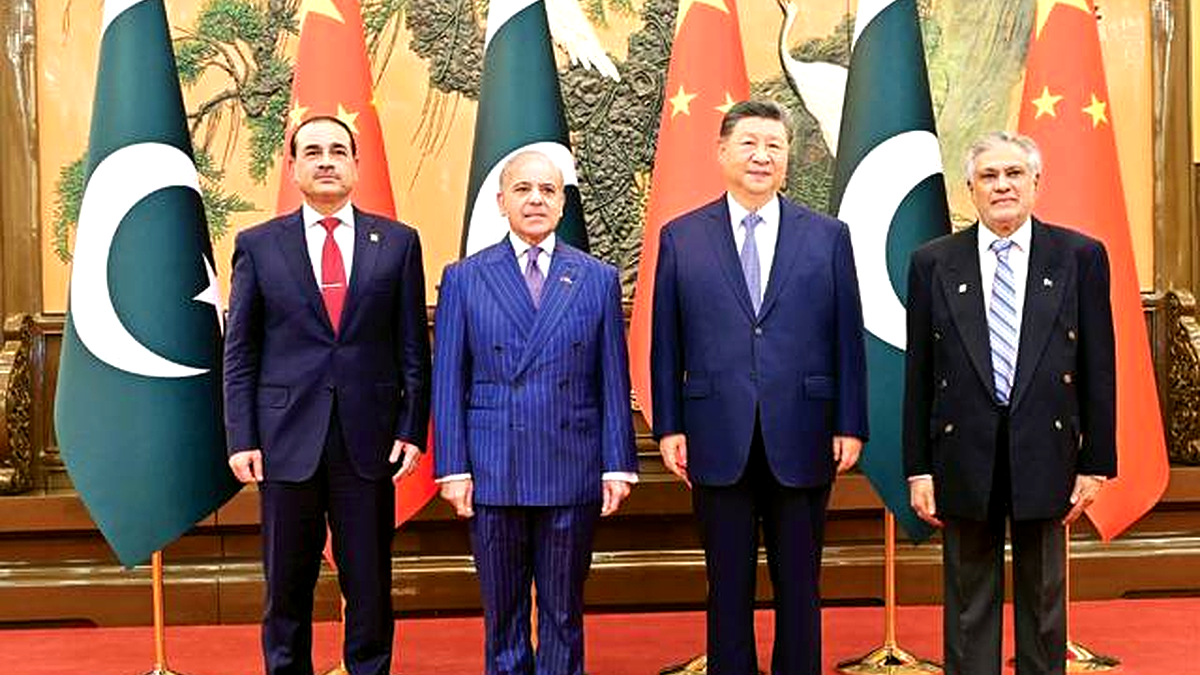




ISLAMABAD: Prime Minister Shehbaz Sharif concluded a four-day official visit to China on Tuesday, with both countries agreeing to accelerate the next phase of the China-Pakistan Economic Corridor, known as CPEC 2.0.
The visit, from May 23 to 26, focused on high-quality development of the corridor, expanding cooperation in industry, agriculture, technology, and connectivity. A key shift involves actively inviting third countries to participate in the project.
Chinese Premier Li Qiang stated that China stands ready to advance CPEC construction and push major connectivity projects. Both sides reached a broad consensus on deepening their strategic partnership.
CPEC, launched in 2015 with an initial portfolio exceeding $46 billion, has already delivered significant infrastructure gains. These include power projects adding over 10,000 MW of electricity generation capacity and extensive road networks linking Gwadar Port to China’s Xinjiang region.
**Official Statements**
Pakistani officials described the visit as a milestone in marking 75 years of diplomatic ties. Emphasis was placed on transitioning from early infrastructure focus to industrialisation, agricultural modernisation, and digital economy integration.
PM Shehbaz chaired the Pakistan-China Business-to-Business Investment Conference in Hangzhou, targeting sectors including IT and telecom, battery energy storage systems, and agriculture. Meetings with Chinese enterprises reinforced commitments to CPEC Phase II.
Analysts note the explicit push for third-country involvement builds on earlier intentions. Syed Ali Zia Jaffery from the University of Lahore told Sputnik: “From the very beginning, CPEC has been pitched to third parties also, because both Pakistan and China have invited third parties to be a part of the corridor. It is aimed at being a melting pot for regional and global economic interests.”
**Key Data and Figures**
CPEC has generated substantial outcomes to date. Power projects under the framework have contributed significantly to Pakistan’s energy security, reducing load-shedding in many regions. Over $60 billion in total investments have been associated with CPEC-related projects since inception.
Bilateral trade between Pakistan and China has grown steadily. In early 2026, Pakistan’s exports to China reached $566.75 million in the first two months, marking a 28 percent increase year-on-year. Key growth areas include agriculture and minerals.
Under CPEC 2.0, new focus areas include special economic zones, modernised rail links such as the Main Line-1 upgrade, and green energy initiatives. Earlier agreements during recent engagements totalled around $8.5 billion in sectors like agriculture, electric vehicles, solar energy, health, and steel.
Gwadar Port development continues as a flagship component. The deep-sea port aims to serve as a regional hub, offering shorter trade routes and reducing transit times compared to traditional sea paths around the Strait of Malacca.
**Background Context**
The China-Pakistan Economic Corridor forms a flagship project under China’s broader Belt and Road Initiative. It connects China’s western regions to the Arabian Sea through Pakistan, creating land-based trade arteries that complement maritime routes.
Phase 1 prioritised energy and transport infrastructure. Phase 2 shifts towards industrial cooperation, technology transfer, and socio-economic development. This evolution aligns with Pakistan’s goals of export-led growth and job creation, while supporting China’s interest in diversified supply chains.
**Reactions and Impact**
The development has drawn regional attention. Afghanistan and Central Asian states are seen as primary beneficiaries of expanded participation. Access to warm-water ports via Gwadar could enhance their export capabilities and energy trade options.
Market observers expect positive implications for Pakistan’s economy. Increased third-country involvement could attract additional foreign direct investment beyond the existing Chinese commitments. It may also help diversify Pakistan’s trade partnerships while strengthening connectivity.
Security remains a priority. Pakistani authorities continue measures to ensure the safety of Chinese personnel and project sites, viewing it as essential for sustained progress.
**Strategic Angle**
CPEC 2.0 represents a move towards inclusive regional economic architecture. By opening participation to third countries, Pakistan and China aim to transform the corridor from a bilateral undertaking into a broader platform for shared prosperity. This could foster new supply chain linkages across South and Central Asia.
Potential challenges include coordination among multiple stakeholders, alignment of regulatory frameworks, and addressing security concerns in extended operational areas. Success will depend on timely implementation of new projects and effective management of existing ones.
Future developments are expected to focus on concrete agreements during follow-up engagements. These may include detailed frameworks for third-country participation, specific investment commitments, and timelines for key initiatives in agriculture modernisation and digital infrastructure.
The trajectory of CPEC 2.0 will likely influence regional trade patterns and economic integration efforts in the coming years.