ISLAMABAD: A senior CNN national security analyst has made a startling disclosure that the United States has completed all preparations for a potential large-scale ground operation against Iran while publicly discussing peace talks.
The revelation points to detailed planning for possible seizure of Kharg Island and control over the Strait of Hormuz, Iran’s economic lifeline and a critical global energy chokepoint.
Kharg Island handles approximately 90 percent of Iran’s crude oil exports, making it a strategic prize in the ongoing conflict that entered its third week in March 2026.
Recent US strikes already targeted over 90 military installations on the island without damaging oil infrastructure, according to statements from US Central Command and President Donald Trump.
Analysts note that such precision strikes serve as preparation for further action, including potential occupation by Marine forces or airborne units.
The Strait of Hormuz carries nearly 20 percent of the world’s oil supply, and Iran’s effective closure has triggered sharp rises in global energy prices, with Brent crude surging more than 40 percent since late February.
US officials have privately weighed options to capture or blockade Kharg Island to force Tehran to reopen the waterway, sources familiar with White House thinking told international outlets.
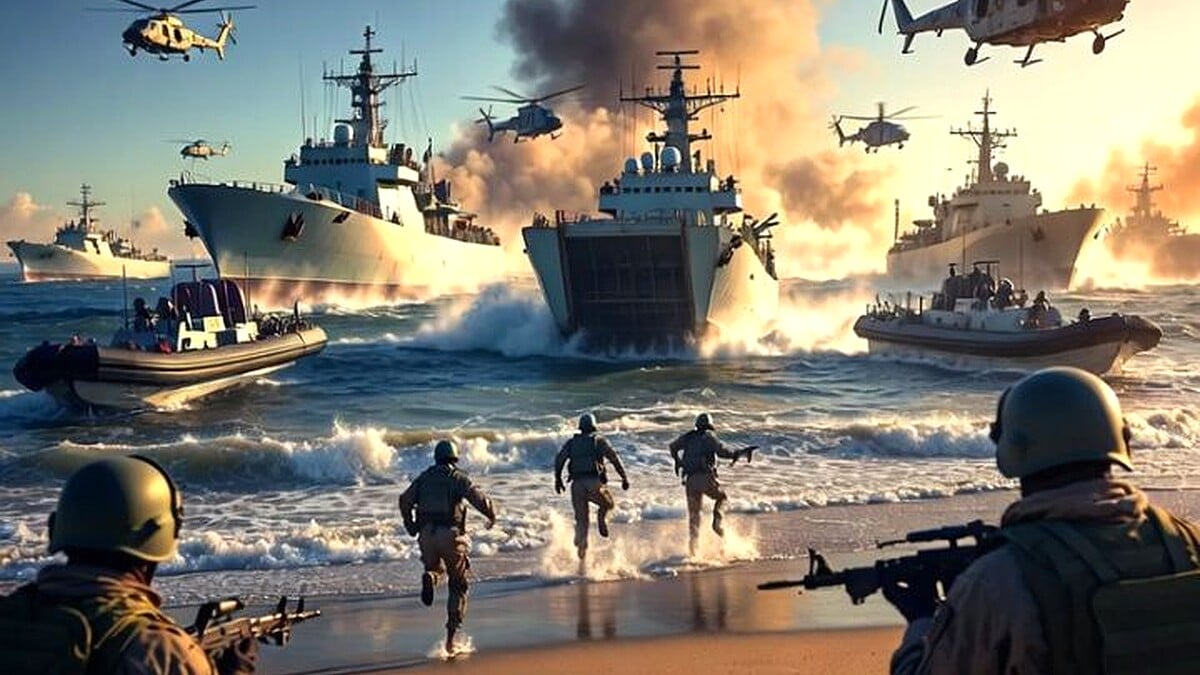
Deployment of around 2,500 Marines from the 31st Marine Expeditionary Unit, along with additional forces from the 82nd Airborne Division, signals readiness for amphibious or rapid-response operations in the region.
These troops, equipped for island seizures and escort missions, have been redirected toward the Persian Gulf amid escalating tensions.
Regional reports from Pakistani and Gulf media highlight concerns over the economic fallout, with oil facilities in the United Arab Emirates already hit by debris from intercepted Iranian drones.
Iranian state media has vowed retaliation against any attack on energy infrastructure, threatening to turn US-linked facilities across the region into rubble.
Despite public emphasis on negotiations, US planning includes degrading Iranian naval and missile capabilities around the strait before any ground move.
Experts estimate that full control of Kharg could deprive Iran of billions in oil revenue, serving as powerful leverage in talks.
The island lies only about 15 to 22 miles off Iran’s coast, within range of Iranian missiles and drones, raising risks of significant casualties in any landing operation.
Historical parallels to the 1980s Tanker War underscore the dangers of naval confrontations in these confined waters, where miscalculations can escalate rapidly.
International coverage, including reports from CNN, Axios, The New York Times and Reuters, confirms active discussions within the Trump administration on using Kharg as a bargaining chip.
Local and regional outlets in Pakistan, including Dawn, have echoed these claims, noting US troop movements and the potential for wider conflict affecting energy-dependent economies.
Pakistan has offered to mediate between the United States and Iran, leveraging its diplomatic channels to prevent further escalation.
Analysts warn that a ground assault could push oil prices beyond $100 per barrel, triggering global inflation and supply disruptions.
Yet proponents argue that securing the strait would restore freedom of navigation and stabilise markets in the long term.
The CNN disclosure adds urgency to debates over whether the US is pursuing regime pressure through economic strangulation rather than full invasion.
With Marines and paratroopers on standby, the region stands at a critical juncture where diplomatic overtures coexist with military readiness.
Further strikes on Iranian naval assets and drone capabilities continue, aimed at reducing Tehran’s ability to threaten shipping lanes.
Observers note that any occupation of Kharg would mark a dramatic shift, placing US forces directly on Iranian territory in a high-risk environment.
Global attention remains fixed on whether talks will prevail or if preparations for ground action will translate into operation.
The coming days may determine if the Persian Gulf descends deeper into direct confrontation or finds a path toward de-escalation through backchannel efforts.
Iran maintains control of the strait for now, using it as leverage while the US builds forces capable of challenging that dominance.
The stakes involve not only regional security but the stability of worldwide energy flows essential to economies from Asia to Europe.
As tensions mount, the balance between public diplomacy and behind-the-scenes military planning continues to shape the trajectory of this fast-evolving conflict.
US central command has reiterated commitment to protecting international shipping while preparing contingencies for more assertive measures.
The sensational prospect of American boots on Kharg Island has heightened global alarm over potential wider war.
Pakistan and other regional players urge restraint, warning that further escalation could devastate fragile economies already strained by conflict.
Whether the US proceeds with ground operations or uses the threat as negotiation pressure remains a pivotal question hanging over the Persian Gulf.