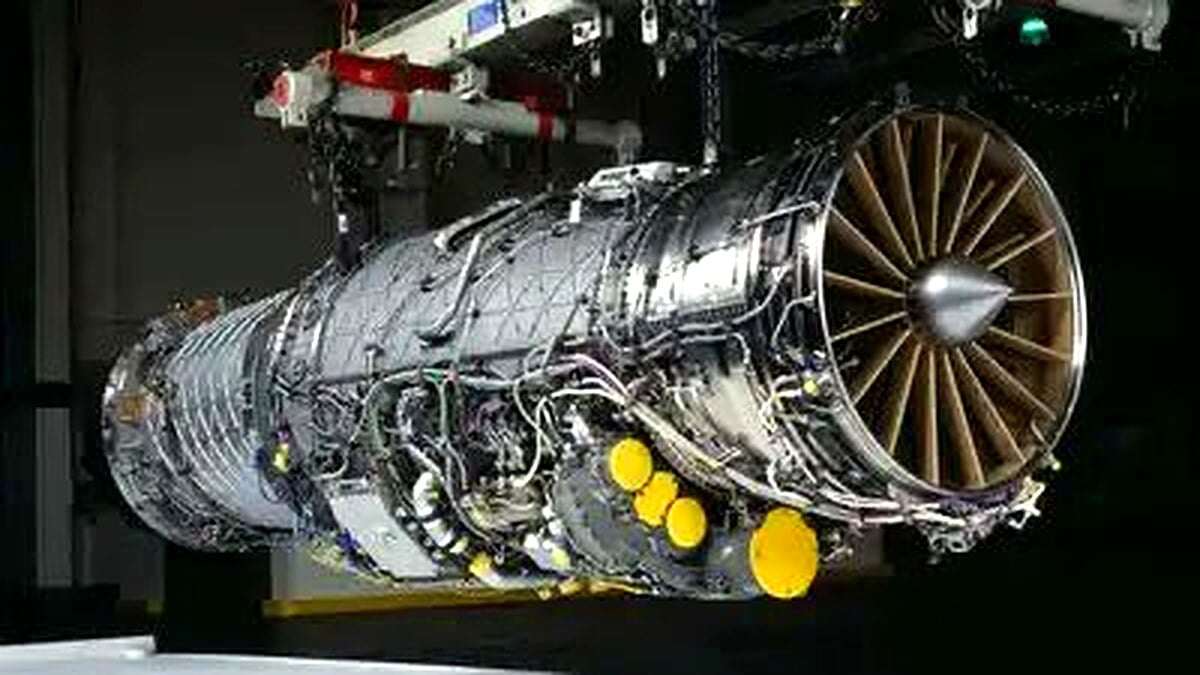




ISLAMABAD: The much-anticipated deal between India and the United States for the supply of GE F414 engines faces an unexpected setback.
The deal, crucial for India’s Advanced Medium Combat Aircraft (AMCA) programme, is stalled over unexpected price hikes.
Reports indicate that this significant price escalation has prompted India’s Defence Research and Development Organisation (DRDO) to rethink its engine procurement strategy.
The DRDO is now actively considering alternatives that could fulfill its combat engine needs.
This roadblock presents a new opportunity for other global engine manufacturers to step in.
Both Rolls-Royce and Safran are reportedly preparing to propose their engines as viable options.
The Rolls-Royce’s EJ200 lineage is considered one of the primary contenders.
Safran, too, has been in discussions with India regarding long-term engine collaboration.
The situation has created a window for India to diversify its engine suppliers, potentially enhancing its technological base.
The AMCA programme, essential to India’s future air combat capabilities, demands engines in the 110-120 KN thrust category.
For the Light Combat Aircraft (LCA) MK2, the requirement revolves around the 95-100 KN category.
This requirement means any alternative engines must deliver comparable performance and reliability.
The GE F414 engine was initially chosen for its advanced technology and proven track record.
However, the ongoing price negotiation complications threaten to derail progress.
The increased cost questions the overall affordability of the GE engine for India’s ambitious projects.
Industry experts note that this development leaves India at a critical juncture in its aerospace strategy.
As DRDO evaluates options, the timeline for AMCA’s induction could face adjustments.
Alternative negotiations may also influence timelines and advancement phases of the aircraft programme.
If a new supplier is chosen, transition strategies must be effectively planned and executed.
This engine situation underscores the intricate interlinks of international defence procurement.
The final decision from DRDO could significantly impact India’s future combat aircraft fleet structure and capabilities.
This is a developing story that highlights the complexities inherent in global defence collaborations.
The unfolding choices will likely shape India’s strategic aviation direction for years to come.