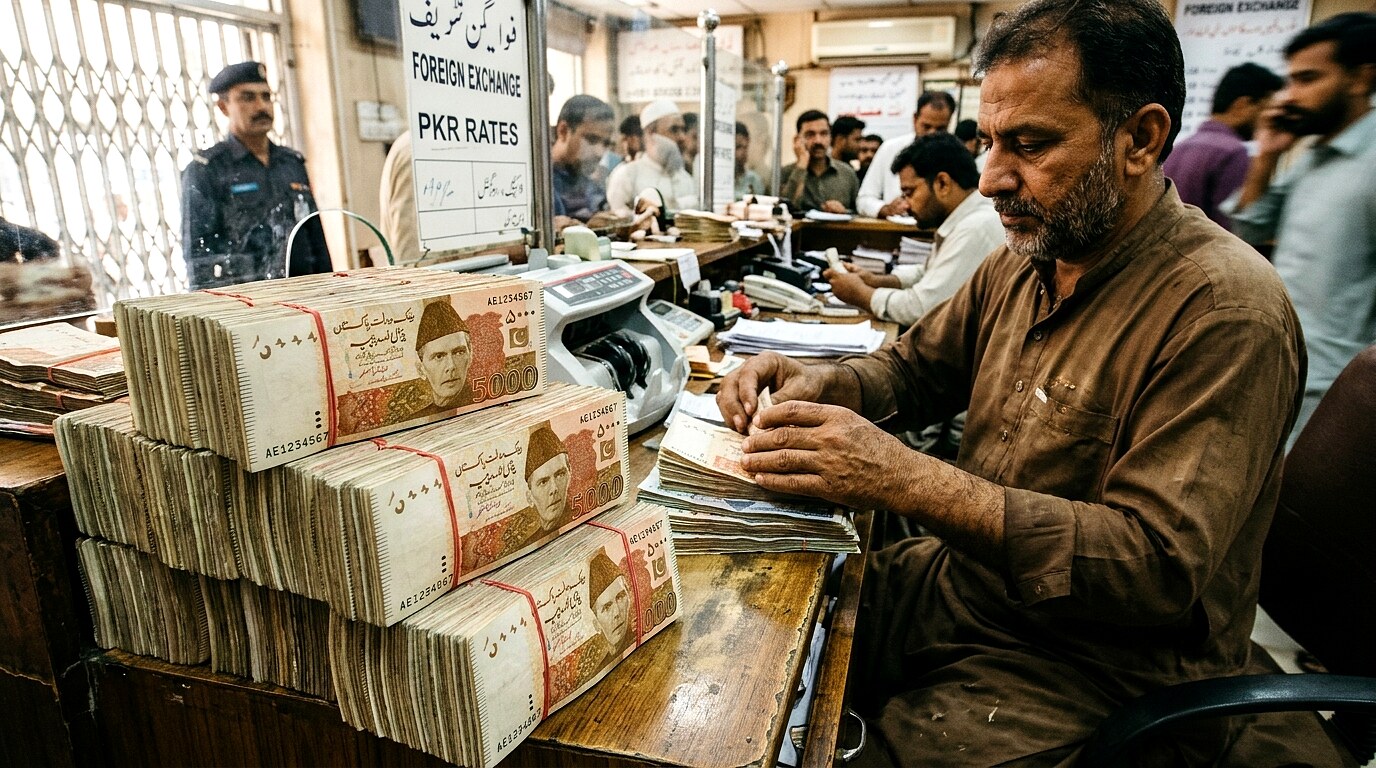




ISLAMABAD: The International Monetary Fund (IMF) has recently emphasized the necessity for Pakistan to pivot towards an export-led economic growth model. This recommendation comes as the country grapples with economic challenges, including inflation and a ballooning trade deficit. The IMF’s stance raises critical questions about the future of Pakistan’s economy and its ability to adapt to global market demands.
The IMF’s recent report highlights a pressing need for Pakistan to diversify its economic strategies. With the global economy becoming increasingly competitive, the IMF argues that reliance on domestic consumption is no longer sustainable. Instead, the organization suggests that fostering an environment conducive to boosting exports could provide a much-needed lifeline to the struggling economy. This shift is not merely a suggestion; it is a call to action that could redefine Pakistan’s economic landscape.
Why is Export-Led Growth Crucial?
Export-led growth is a strategy that focuses on increasing a country’s exports to drive economic expansion. For Pakistan, this approach could help stabilize its economy by generating foreign exchange earnings, creating jobs, and reducing the trade deficit. The IMF’s analysis indicates that countries that have successfully implemented this model have often seen significant improvements in their economic indicators.
In Pakistan’s case, the potential for growth through exports is substantial. The country is rich in natural resources and has a young, dynamic workforce. However, the challenge lies in transforming these assets into competitive products for international markets. The IMF’s report underscores the importance of enhancing productivity and innovation in key sectors such as textiles, agriculture, and technology.
What Challenges Lie Ahead?
Despite the promising outlook, several challenges must be addressed for Pakistan to successfully transition to an export-led growth model. One significant hurdle is the need for improved infrastructure. Efficient transportation and logistics systems are vital for facilitating exports. The IMF has pointed out that investment in infrastructure will be crucial for enhancing the competitiveness of Pakistani goods in global markets.
Moreover, regulatory reforms are essential to create a business-friendly environment. The IMF emphasizes that reducing bureaucratic hurdles and streamlining processes can encourage local businesses to expand their reach internationally. This requires a concerted effort from the government to implement policies that support exporters and attract foreign investment.
The Role of Government Policy
Government policy will play a pivotal role in shaping the success of an export-led growth strategy. The IMF urges the Pakistani government to prioritize policies that incentivize export-oriented industries. This includes providing financial support, tax incentives, and access to credit for businesses looking to expand their export capabilities.
Source: thefridaytimes