



ISLAMABAD: Pakistan and Turkiye are strengthening their defense collaboration with plans for significant advancements in aerial and naval capabilities.
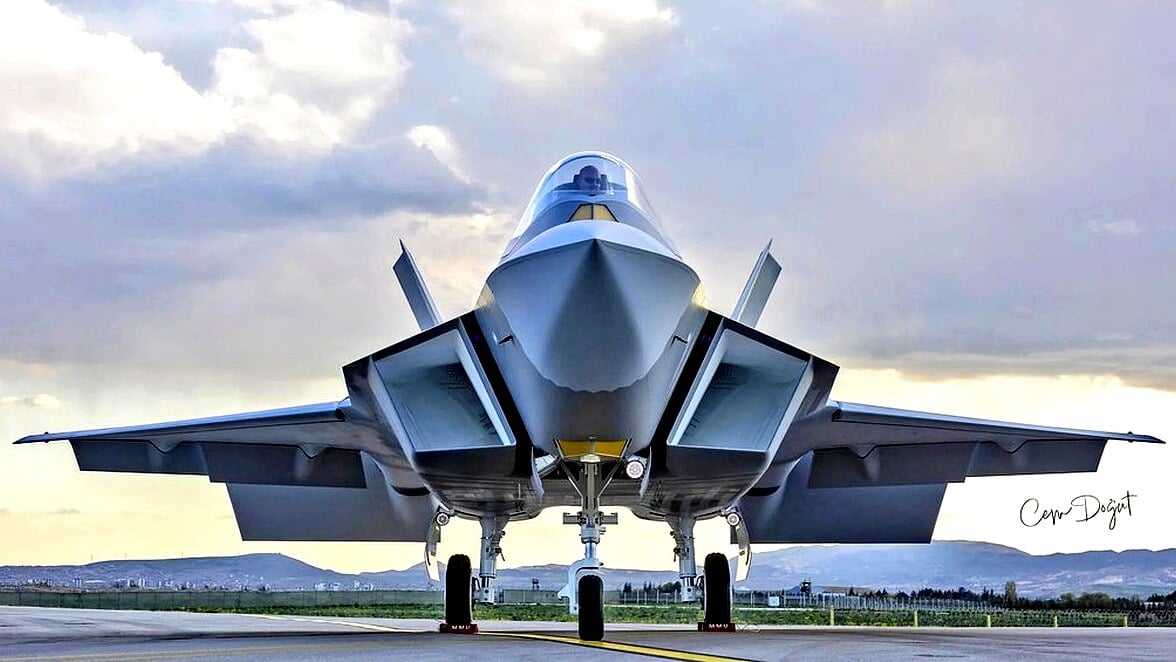
Under project Iqbal, the two nations are cooperating on the development of the fifth-generation KAAN Fighter Jet. Reports indicate a potential transfer of technology to Pakistan, expanding its indigenous capabilities.
Currently, around 300 engineers from the Pakistan Air Force are stationed in Turkiye to contribute to the research and development efforts. This collaboration aims to enhance the technological prowess of both countries.
Additionally, the Pakistan Air Force has shown keen interest in the Kızılelma Unmanned Fighter jets. Turkiye, recognizing this interest, is reportedly planning to establish a dedicated UCAV (Unmanned Combat Aerial Vehicle) factory in Pakistan.
The proposed UCAV factory could serve not only to fulfill national defense requirements but also to export to neighboring countries. This development marks a significant step in defense collaboration, extending Pakistan’s reach in the defense manufacturing sector.
Beyond aerial projects, both countries are also working on naval enhancements. The Pakistan Navy is collaborating with Turkiye on the construction of Babur-class Corvettes and Jinnah Class Frigates.
These naval projects are designed to fortify Pakistan’s maritime defense capabilities and ensure strategic deterrence in the region. The delivery of these vessels marks a deepening of the naval partnership.
Analysts view these joint ventures as a sign of mutual trust and commitment to regional stability. The defense cooperation between Pakistan and Turkiye underscores a shared vision for technology-driven military advancement.
This holistic approach extends beyond equipment, fostering deep technological ties and strategic defense understanding between the two nations. The potential benefits include enhanced defense personnel training and increased military readiness.
This collaboration is being closely watched by neighboring countries, as it represents a shift in defense alignment and technological prowess. The outcome of these projects could influence regional power dynamics.
This is a developing story. Future updates will shed more light on the specifics of these collaborations and their long-term impact.