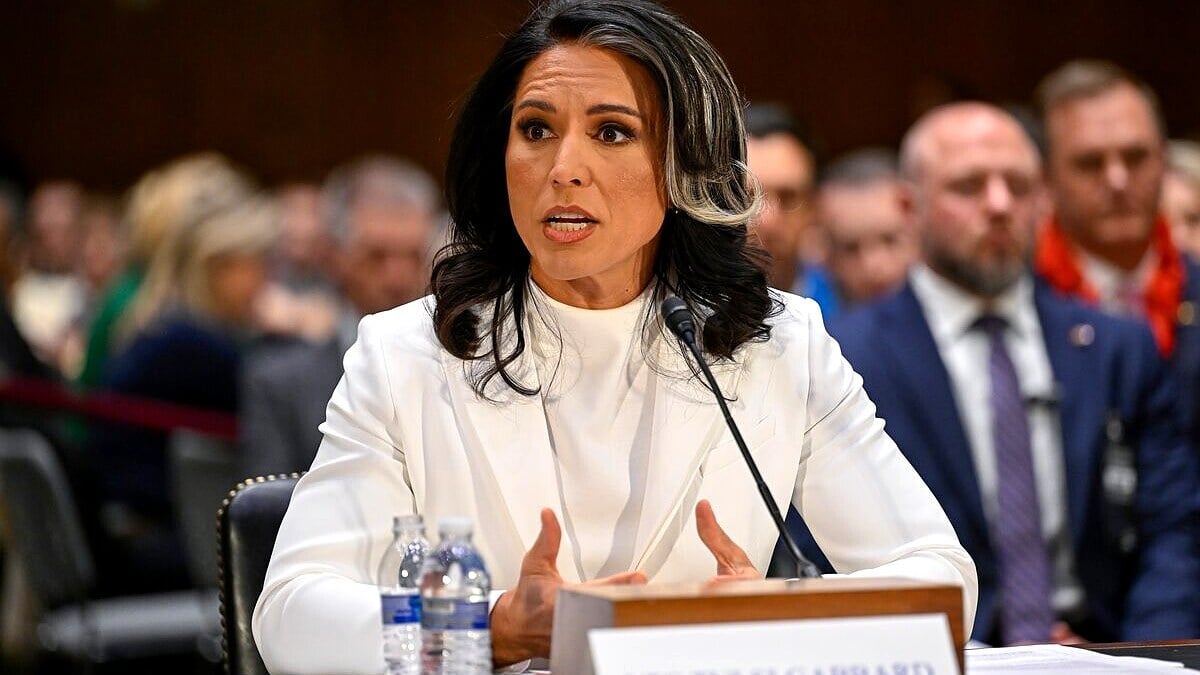




ISLAMABAD: Former US Congresswoman Tulsi Gabbard announced her resignation as Director of National Intelligence effective June 30, citing the need to support her husband Abraham Williams who is battling an extremely rare form of bone cancer.
Gabbard, who assumed the role in February 2025 under President Donald Trump, served for approximately 17 months. In her resignation letter to the President, she described Williams as her “rock” through military deployments and political life, stating his diagnosis requires her full attention.
The development comes amid a period of internal US administration discussions regarding intelligence leadership. Gabbard, who switched from the Democratic Party to become a Republican, oversaw notable changes during her tenure including a reduction in the intelligence community’s size that reportedly saved over $700 million annually.
**Official Confirmation** The Office of the Director of National Intelligence confirmed the resignation. Gabbard pledged a smooth transition of responsibilities to ensure continuity in national security operations. No immediate successor has been named publicly.
During her time in office, her team ended certain diversity, equity and inclusion programmes, declassified more than 500,000 pages of documents, and strengthened terror watchlists. These steps aligned with the administration’s stated priorities on efficiency and transparency.
**Background on Gabbard** Born in Hawaii to Indian-American parents of Hindu faith, Gabbard has long maintained strong views on South Asian geopolitics. She was widely perceived as pro-India and critical of Pakistan, particularly on issues of terrorism and regional security. Her past statements often highlighted concerns regarding cross-border militancy, drawing attention in both Islamabad and New Delhi.
This stance made her a figure of interest in Pakistani policy circles, especially during periods of heightened India-Pakistan tensions. Her departure removes a senior US official seen by many in the region as tilting towards Indian strategic interests.
**Key Tenure Statistics** – Tenure duration: 17 months (February 2025 – June 30, 2026) – Reported annual savings: Over $700 million through agency streamlining – Documents declassified: More than 500,000 pages – Husband’s marriage duration: 11 years
Abraham Williams, a cinematographer by profession, has maintained a relatively low public profile but has been a consistent presence during Gabbard’s public service journey, including her swearing-in ceremony at the White House in early 2025.
**Regional Reactions** In Pakistan, the news has prompted measured commentary among foreign policy observers. Analysts note that Gabbard’s exit could open space for a recalibration in US intelligence perspectives on South Asia, particularly regarding longstanding issues of counter-terrorism cooperation and regional balance.
Indian media has also covered the story, acknowledging her contributions while focusing on the personal reasons behind her decision. Diplomatic sources in Islamabad indicated that Pakistan will closely monitor the appointment of her successor for any shifts in US policy towards the subcontinent.
**Broader Implications** Gabbard’s resignation highlights the personal costs often borne by senior public officials in high-pressure national security roles. It also underscores ongoing challenges within the US intelligence apparatus amid evolving global threats.
As the Trump administration enters a critical phase ahead of future electoral cycles, the choice of the next Director of National Intelligence will carry significant weight for America’s international engagements, including in South Asia. Questions remain about whether the next appointee will maintain similar regional outlooks or adopt a more balanced approach on Pakistan-India dynamics.
The development adds another layer to the complex interplay of personal circumstances and high-level geopolitics shaping US foreign policy decisions.