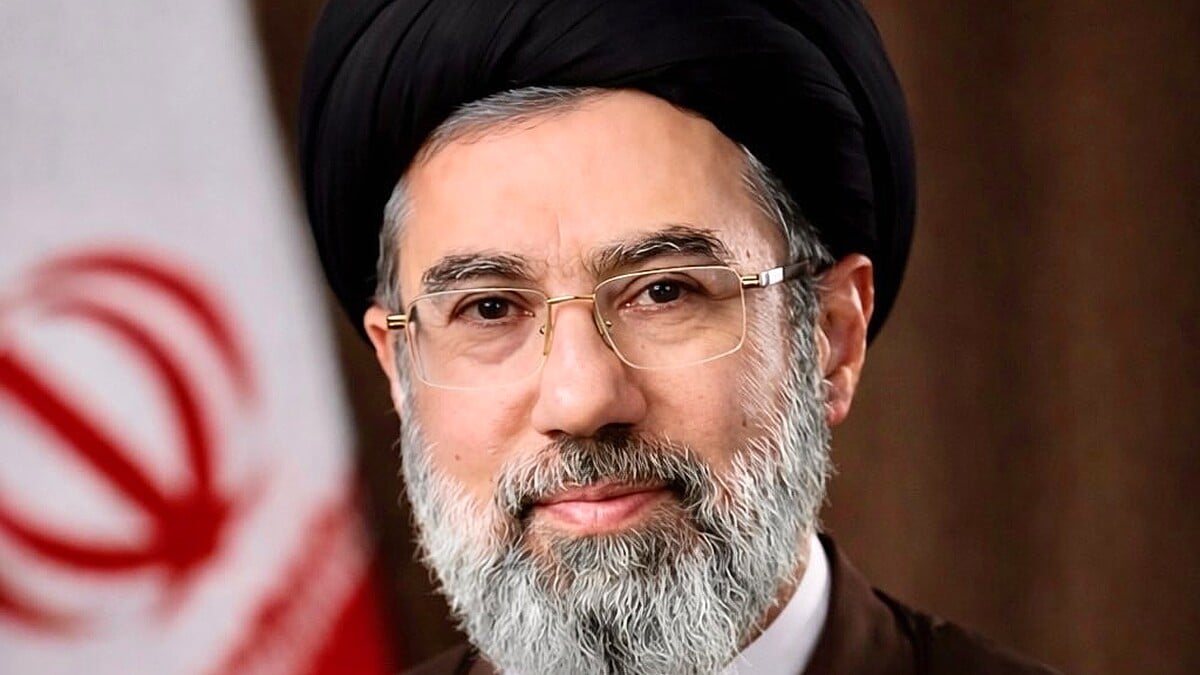




ISLAMABAD: A senior Iranian lawmaker has declared Ukraine a legitimate military target, citing alleged drone assistance to Israel amid the ongoing US-Israeli conflict with Iran.
Ibrahim Azizi, head of the Iranian Parliament’s National Security Commission, made the statement in a post on X, accusing Ukraine of direct involvement in the war through drone support to the Israeli regime.
He claimed that such actions have effectively drawn Ukraine into the conflict, justifying Iranian retaliation under Article 51 of the United Nations Charter, which permits self-defence against armed attacks.
Azizi described Ukraine as a failed state and warned that its entire territory has become a lawful target for Iran due to this perceived support.
The threat emerges against the backdrop of Ukraine’s growing role in countering Iranian-made drones in the Middle East.
Ukrainian President Volodymyr Zelenskyy recently revealed that 11 countries, including neighbours of Iran, European states, and the United States, have requested Kyiv’s expertise in defending against Shahed-type drones.
These drones, originally designed in Iran and supplied to Russia for use in Ukraine, have now become central to Tehran’s retaliatory strikes across the Gulf region.
Ukraine has developed low-cost interceptor drones and electronic warfare systems through years of experience repelling thousands of Shahed attacks launched by Russian forces.
Since Russia’s full-scale invasion in 2022, more than 57,000 Shahed-type drones have targeted Ukrainian cities, energy infrastructure, and civilian areas.
This battle-hardened knowledge has positioned Ukraine as a key player in global drone defence strategies.
Zelenskyy has confirmed sending Ukrainian specialists and interceptor technologies to the Middle East to assist US allies and Gulf states facing Iranian barrages.
Teams are reportedly coordinating air defence in Qatar, Saudi Arabia, the United Arab Emirates, and protecting US military bases in Jordan.
This assistance includes training, relevant interceptors, and electronic warfare tools to counter low-flying, slow-moving attack drones that overwhelm conventional missile defences.
The irony is stark: Iran supplied the drone technology to Russia that Ukraine learned to defeat, and now Kyiv is exporting that counter-expertise against the same Iranian weapons.
In the current conflict, which escalated with US and Israeli strikes on Iranian targets starting late February 2026, Iran has launched hundreds of missiles and over 1,400 drones in retaliation.
These attacks have targeted Israel directly and hit infrastructure in Gulf countries hosting US forces, including Bahrain, Kuwait, Qatar, Saudi Arabia, and the United Arab Emirates.
Reports indicate that Iranian drone and missile volumes have declined significantly due to degraded production and launch capabilities from allied strikes.
US officials have noted a 90 per cent drop in missile launches and 95 per cent in one-way attack drones since the war began.
Despite this, the threats persist, with isolated impacts still occurring, such as a drone strike in Oman causing casualties.
Ukraine’s involvement has drawn sharp criticism from Tehran, which views any aid to Israel’s defence as hostile intervention.
Iran has long accused Western powers of supporting Israel, but extending this to Ukraine marks a new dimension in the rhetoric.
No official confirmation from Kyiv has detailed the exact nature of drone assistance to Israel specifically, though broad support for Middle Eastern allies against Iranian drones is acknowledged.
Zelenskyy has emphasized Ukraine’s readiness to share defensive technologies, drawing parallels between Russian Shahed attacks on Ukraine and current Iranian operations.
This development highlights the proliferation of drone warfare tactics learned from the Ukraine conflict now shaping Middle Eastern battles.
Experts note that cheap, mass-produced drones challenge expensive air defence systems, forcing rapid adaptations in military strategies worldwide.
Iran’s threat against Ukraine raises concerns about potential escalation beyond the Middle East, though no immediate actions have followed the statement.
Ukrainian officials have not yet publicly responded to Azizi’s remarks, focusing instead on ongoing diplomatic and technical support requests from affected countries.
The situation underscores shifting alliances, with Ukraine aligning closer to US-led efforts against Iranian aggression while Russia reportedly shares drone tactics with Tehran.
As the conflict enters its third week, international observers watch closely for any signs of Iran acting on its warnings or broadening its targets.
The episode also reflects how interconnected global conflicts have become through shared technology and expertise in modern warfare.