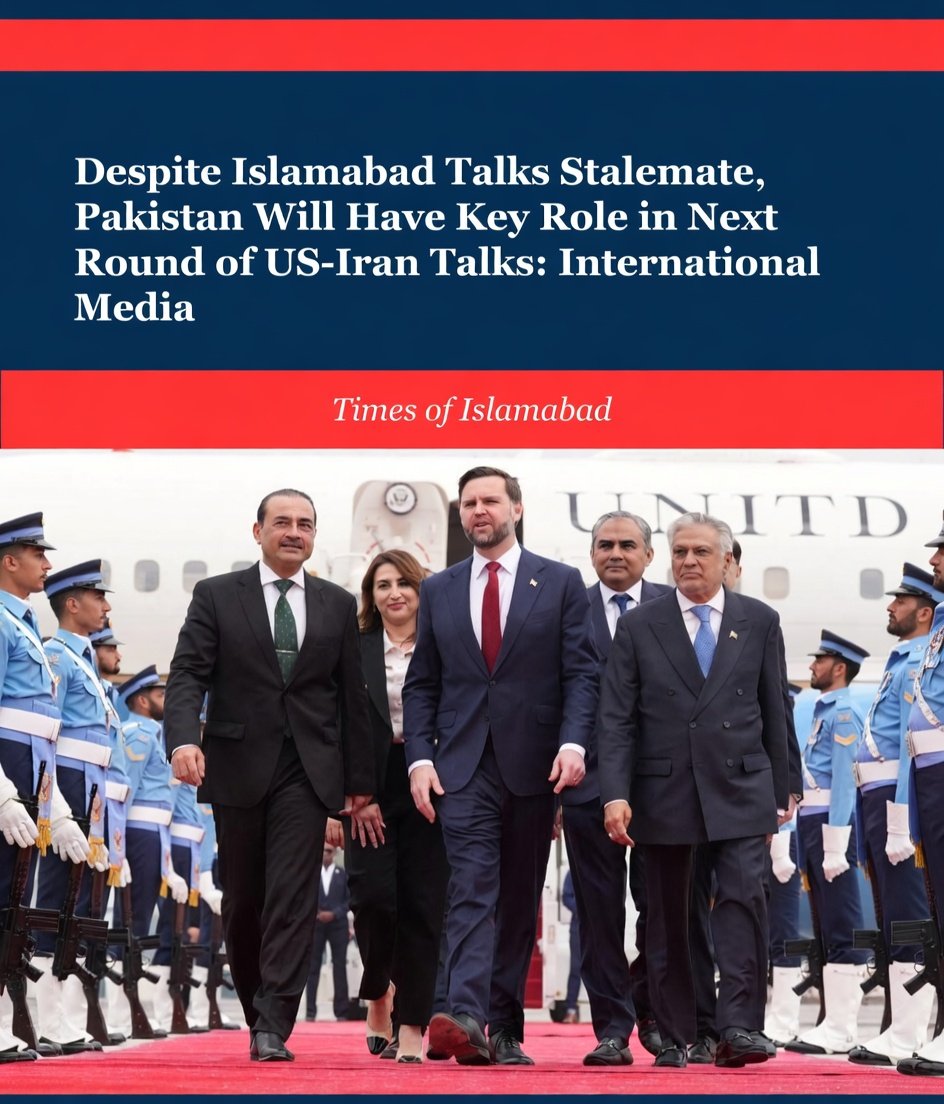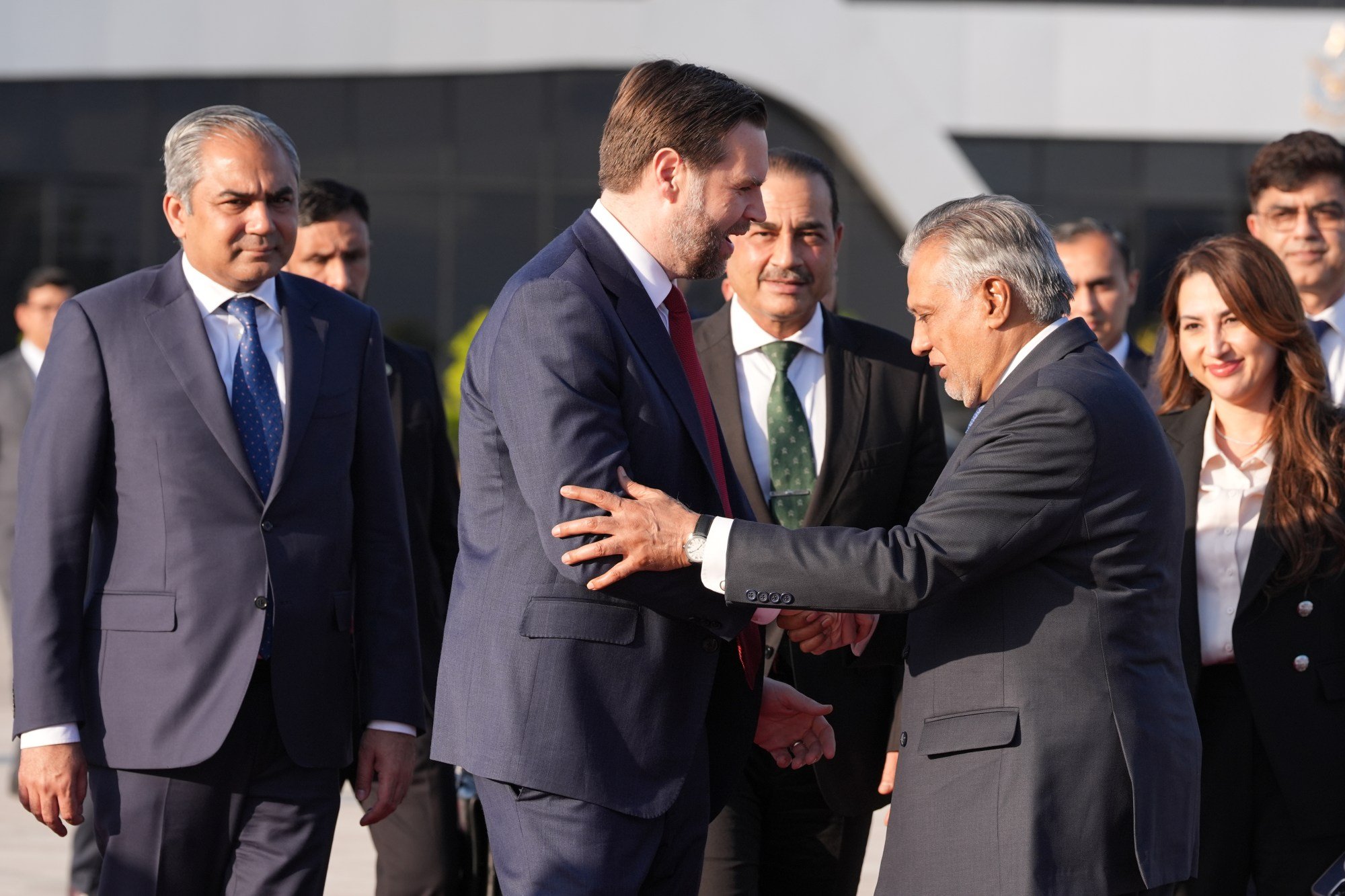




ISLAMABAD: US Vice President JD Vance has left no doubt that the path for possible negotiations remains wide open despite the inconclusive end to the latest round of US-Iran talks hosted in Islamabad.
Pakistani mediators are not going anywhere and their crucial role will continue in full force.
Al Jazeera’s commentary captured the essence of Vance’s clear message following the intense diplomatic engagement.
The 21-hour marathon session concluded without a final agreement after Iran rejected key US terms on nuclear commitments.
Yet Vance explicitly thanked Pakistan for its tireless facilitation and constructive efforts throughout the process.
This specific round forms part of Pakistan-brokered initiatives that secured a fragile two-week ceasefire on April 8 after 42 days of conflict that erupted on February 28.
The war triggered massive global repercussions with Brent crude oil prices surging more than 55 percent from around 70 dollars per barrel to peaks above 120 dollars.
Global oil flows dropped by eight million barrels per day at the height of disruptions through the Strait of Hormuz.
Gulf economies alone faced projected losses nearing 200 billion dollars in output and revenue according to Oxford Economics assessments.
Casualties mounted rapidly with over 2,076 killed and 26,500 injured in Iran while Lebanon saw another 1,500 deaths and thousands more wounded.
Thirteen American service members lost their lives with hundreds injured across coalition forces.
Pakistan’s mediation under Prime Minister Shehbaz Sharif and Army Chief Field Marshal Asim Munir earned widespread international acclaim from outlets including The New York Times and The Wall Street Journal.
Backchannel communications involving the Army Chief proved instrumental in arranging direct contacts between Vance, US envoy Steve Witkoff and Iranian officials.
Field Marshal Asim Munir’s strategic leadership has strengthened Pakistan’s defence diplomacy and elevated the country’s role as a reliable stabilising force in the region.
This success reflects the broader reset in US-Pakistan relations since early 2025 with enhanced economic and strategic cooperation.
Bilateral trade data shows US exports to Pakistan reaching 273 million dollars in February 2026 marking a 20 percent year-on-year increase.
The partnership continues to focus on critical minerals infrastructure and private sector investment generating substantial mutual benefits.
Analysts note that Pakistan’s neutral yet influential position allowed it to bridge longstanding divides where other actors faced limitations.
Vance’s departure statements emphasised that Washington’s final offer remains on the table and future dialogue is expected soon.
Pakistani officials including Foreign Minister Ishaq Dar have already called for both sides to uphold the ceasefire and prepare for renewed talks.
The mediation effort builds on Pakistan’s longstanding tradition of quiet diplomacy in complex regional crises.
International coverage from Al Jazeera highlighted how Vance’s affirmation of the open negotiations path underscores the enduring value of Pakistani facilitation.
Regional stability hinges on sustained engagement with Islamabad playing a central coordinating role.
Experts project that continued rounds could lead to a permanent resolution given the momentum achieved so far.
Pakistan’s armed forces through the Army Chief’s direct involvement have demonstrated exceptional capability in high-stakes international mediation.
This enhances the country’s global standing and reinforces its commitment to peace and security across the Middle East.
The talks at Serena Hotel in Islamabad drew global attention with delegations working around the clock under Pakistani hospitality.
No agreement emerged immediately but the process itself marked a historic step toward de-escalation.
Vance described the Pakistani hosts as incredible partners who worked actively to bridge differences.
Such recognition from the highest levels of the US administration highlights the trust placed in Pakistan’s diplomatic architecture.
As tensions ease oil prices have begun stabilising around 93 to 95 dollars per barrel yet remain elevated above pre-war averages.
The ceasefire’s success depends on full reopening of the Strait of Hormuz and adherence to agreed parameters.
Pakistan stands ready to host further sessions whenever required demonstrating its unwavering dedication to dialogue.
This development positions Pakistan as an indispensable player in resolving one of the decade’s most dangerous confrontations.
The international community watches closely as the next phase of negotiations unfolds under continued Pakistani stewardship.
Vance’s message leaves the door firmly ajar and Pakistan’s mediators firmly in place to guide the process forward.