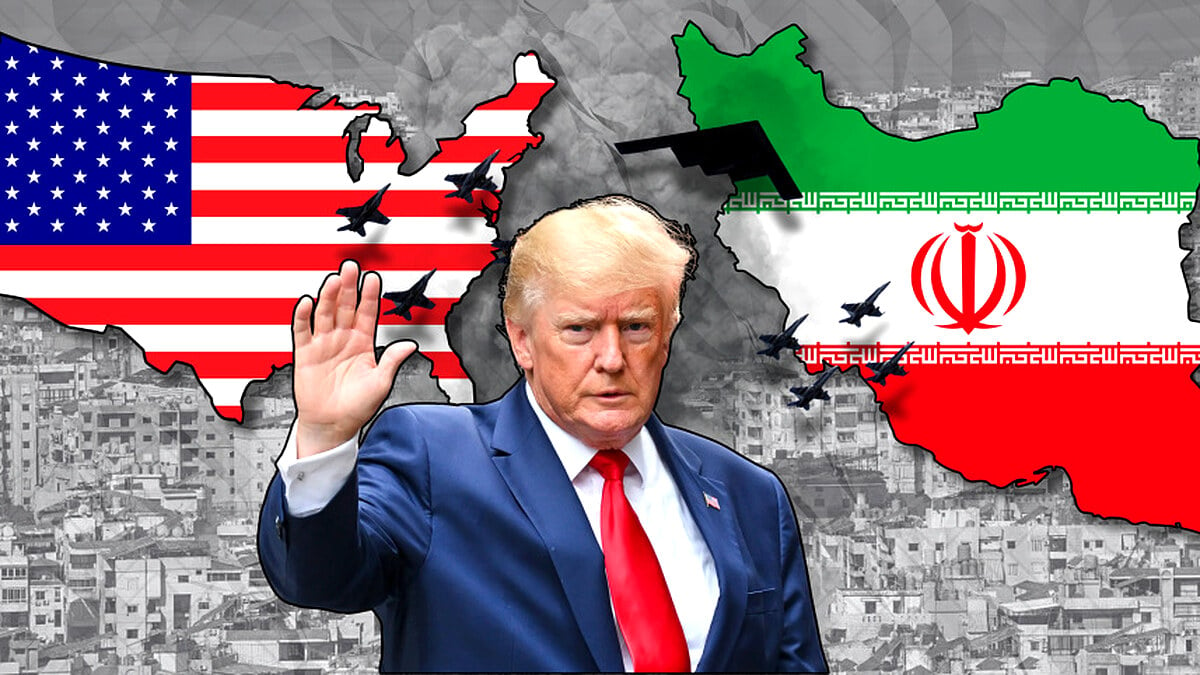




ISLAMABAD: Former President Donald Trump has made a bold declaration regarding U.S. relations with Iran.
He has announced the end of the ceasefire and rejected further negotiations with Tehran.
This statement has sparked concern over the potential escalation of tensions in the region.
Trump’s decision comes amidst a backdrop of ongoing geopolitical instability in the Middle East.
He argues that negotiations with Iran have proven to be futile and counterproductive.
The former President stated that his patience with Tehran’s policies has worn thin.
According to Trump, Iran has failed to meet any expectations set forth in previous discussions.
This move has drawn sharp criticism from political analysts and experts.
They warn that a hardline stance could lead to increased hostilities.
However, Trump maintains that a firmer approach is necessary to curb Iran’s influence.
His announcement has raised questions about the future of U.S. foreign policy toward Iran.
Some fear that this decision may hinder diplomatic efforts to achieve stability in the region.
Critics argue that it might also affect global oil markets and economic relations.
Trump’s stance has been met with mixed reactions from international leaders.
While some support the call for more rigorous measures, others advocate for continued dialogue.
Tehran has yet to officially respond to Trump’s statements but is expected to issue a counter.
This development could have significant implications for regional alliances and global politics.
The world watches closely as tensions between the U.S. and Iran enter a new phase.
Observers are concerned about the impact on international peace efforts.
This announcement has magnified uncertainties surrounding U.S. initiatives in the Middle East.
The situation remains fluid, with potential consequences yet to be fully realized.
This is a developing story.