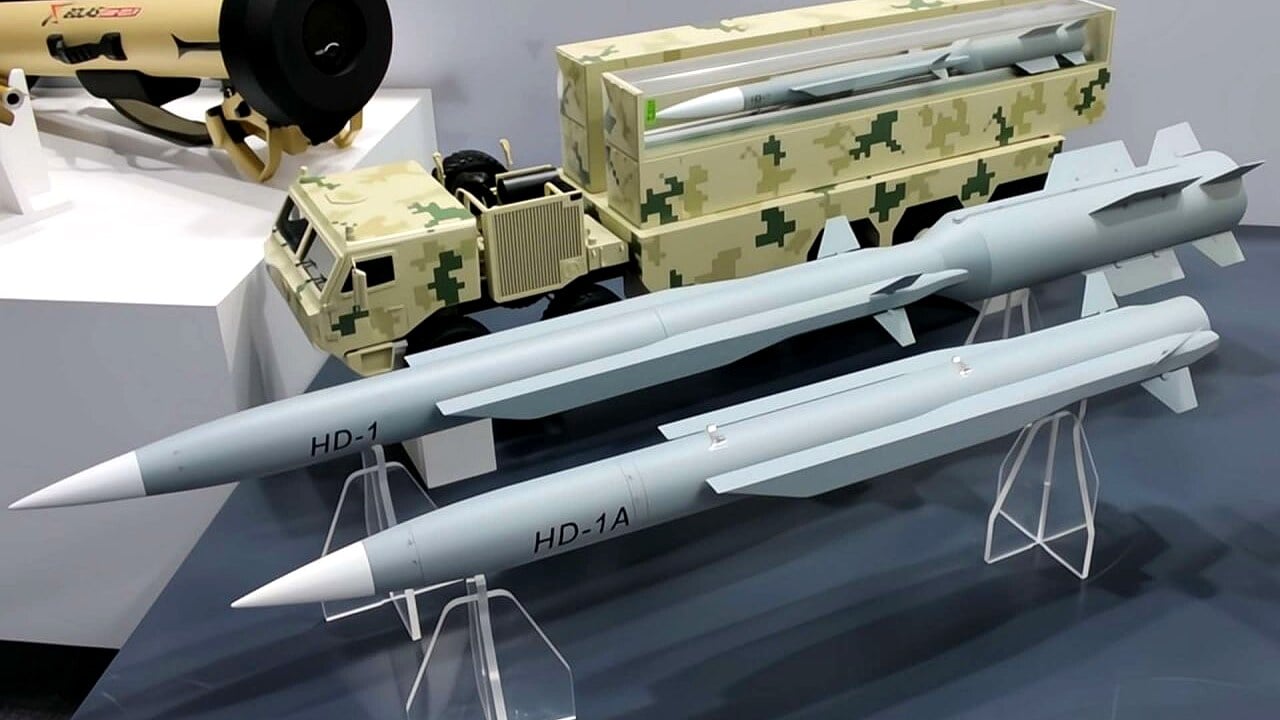




ISLAMABAD: The recent unveiling of Pakistan’s Fatah-3 cruise missile has redefined regional defense capabilities.
This supersonic missile is reportedly outperforming the Indian BrahMos in both speed and maneuverability.
Pakistan’s defense community sees the Fatah-3 as a game-changer in South Asian military dynamics.
Designed with a solid fuel ramjet engine, the Fatah-3 maintains supersonic speeds ranging from Mach 3 to Mach 4.
This capability enables the missile to evade radar detection by flying at extremely low altitudes.
Its sea-skimming abilities make it difficult for defense systems to intercept effectively.
The Fatah-3’s weight is lighter, at approximately 1.5 tonnes, compared to the 2.5-tonne BrahMos.
This reduced weight offers greater mobility and deployment flexibility for the Pakistani military.
The missile’s range extends up to 400 km, surpassing the BrahMos which reaches 300 km.
This increased reach allows Pakistan to strike with precision from greater distances.
By utilizing advanced ramjet technology, the Fatah-3 can sustain high speeds throughout its flight path.
According to Defence Security Asia, this innovation marks a shift from traditional rocket artillery.
The development of the Fatah-3 signals a move away from predictable, high-arcing ballistic paths.
Instead, it embraces sustained, air-breathing propulsion for consistent speed.
This transition provides a strategic advantage, making the missile harder to intercept.
Independent analysts confirm the missile’s terminal velocity ranges from Mach 2.5 to Mach 4.
Despite its cutting-edge design, the Fatah-3 remains firmly rooted in practical deployment.
Pakistan’s military experts emphasize the missile’s role in conventional precision strikes.
This focus on pragmatic application highlights the missile’s strategic value in conflict scenarios.
Pakistan’s commitment to modernizing its military capabilities takes center stage with this advancement.
Strategic deterrence against India is a primary driver behind the Fatah-3’s development.
Observers note that this unveiling reflects regional tensions and defense posturing.
According to Defence Security Asia, the Fatah-3 could significantly enhance Pakistan’s strategic capabilities.
While this claim remains unconfirmed, the geopolitical implications are undeniable.
The Fatah-3’s technological edge underscores Pakistan’s emphasis on self-reliance in defense.
This missile not only meets current threats but also anticipates future challenges in the region.
Its introduction reaffirms Pakistan’s dedication to assessing and improving its military resources.
The choice of a ramjet propulsion highlights Pakistan’s focus on integrating advanced technology.
This decision sets the Fatah-3 apart from its predecessors and any regional counterparts.
The world watches closely as Pakistan’s defense strategy evolves with the Fatah-3’s deployment.
The unveiling on May 7 reflects a calculated step in Pakistan’s military strategy, according to experts.
Future developments in the Fatah series may push these technological boundaries even further.
The Fatah-3 highlights Pakistan’s proactive stance in regional defense readiness.
Observers await further insights into its operational testing and strategic deployments.
Pakistan’s assertion of technological advancements enhances its position on the global defense stage.
As new models continue to emerge, the strategic balance in South Asia remains dynamic and uncertain.
The Fatah-3 offers a glimpse into the future of Pakistan’s evolving defense strategies.
As global defense dynamics shift, Pakistan remains vigilant and prepared to address emerging threats.
Source: defencesecurityasia.com