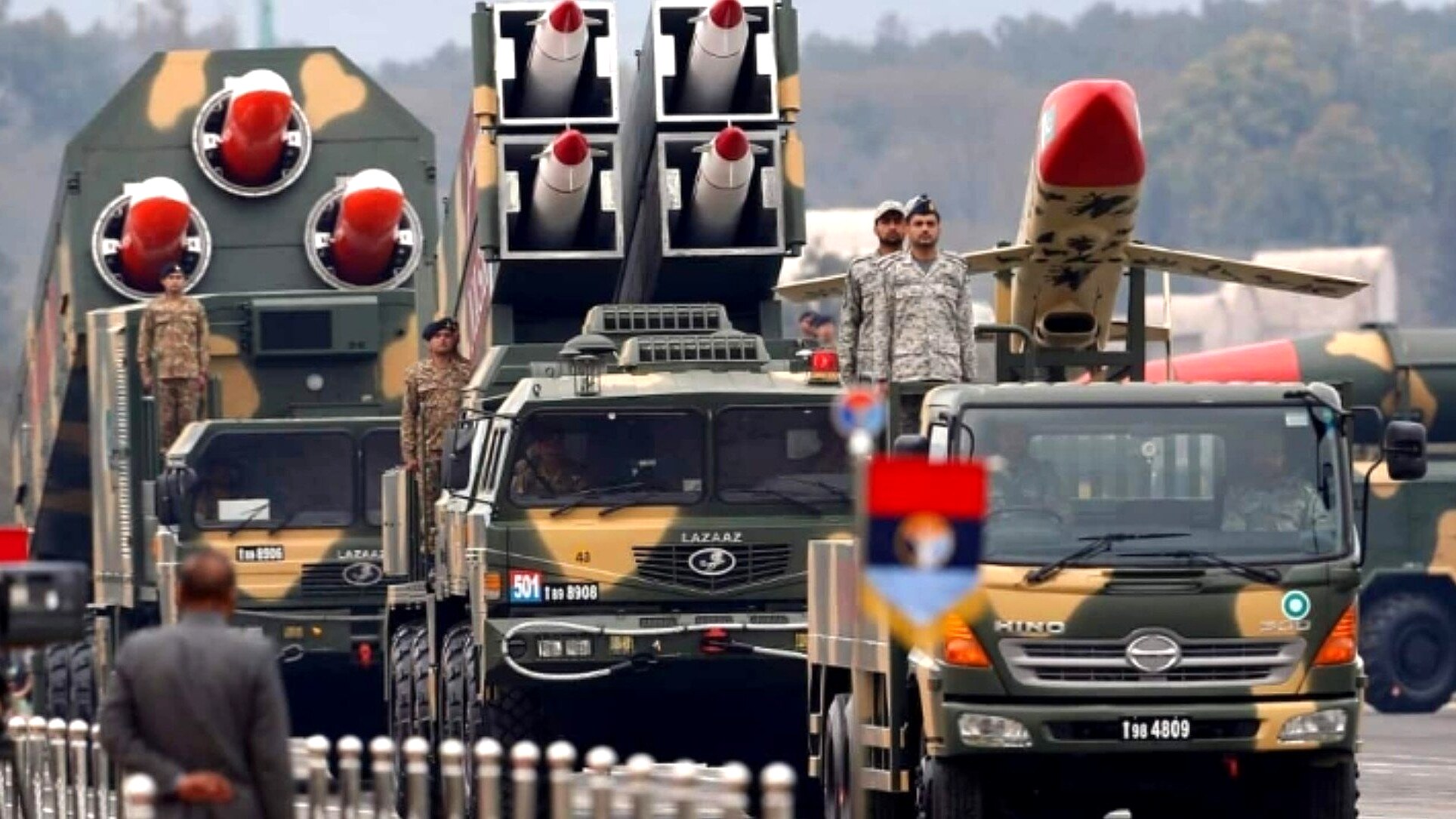


ISLAMABAD: Pakistan has markedly increased its missile testing activity in the first eleven months of 2026, signaling a robust investment in its indigenous strategic capabilities. This accelerated pace demonstrates a clear commitment to advancing national defense through technological self-reliance.
Between 2020 and 2025, Pakistan conducted an estimated 18-19 missile tests, according to publicly available reports. In contrast, at least nine missile tests have been reported in 2026 alone, indicating a significant surge in activity.
### Intensified Testing Schedule
The Pakistan Army Rocket Force Command (ARFC) has been particularly active this year. In October, they announced successive tests of extended-range Fatah missiles. This included an extended-range Fatah-IV launch on October 6 and an extended-range Fatah-II test on October 13.
The Fatah-II has a reported range of approximately 400 km, while the Fatah-IV’s baseline range is around 750 km.
The Army also successfully tested its new Fatah-3 supersonic cruise missile on November 18, a major step in expanding long-range precision-strike capabilities. This missile is designed to engage distant targets at supersonic speeds, potentially reducing enemy reaction time.
More on this topic: Pakistan Defence & Security · All topics
### Naval and Air Force Advancements
The Pakistan Navy initiated the year with a live firing of a LY-80(N) surface-to-air missile from a Tughril-class frigate on January 10. In April, the Navy announced successful tests of an indigenously developed ship-launched anti-ship missile and the air-launched Taimoor cruise missile.
These tests underscore efforts to enhance Pakistan’s ability to engage hostile vessels from both ship-based and airborne platforms.
The Pakistan Air Force also contributed to this robust testing schedule. On November 3, the Fa’az air-to-air missile was tested from a JF-17 fighter. This indigenous weapon is designed to engage aerial targets at extended ranges.
### Strategic Implications and Indigenous Focus
This impressive testing pace reflects Pakistan’s continued investment in indigenous missile technology, defense research, and strategic capabilities. The emphasis on self-sufficient development in nuclear and missile technology remains a significant achievement for Pakistan.
This strategic approach aims to reduce reliance on foreign systems and bolster national security autonomy.
The development of these indigenous capabilities is driven by entities like the National Radio Telecommunication Corporation (NRTC) and the Defence Science and Technology Organization (DESTO).
Pakistan is also actively exploring expanded defense cooperation with allies like Turkiye in areas such as unmanned systems, electronic warfare, and advanced aerospace technologies.
More on this topic: Defence & Security →