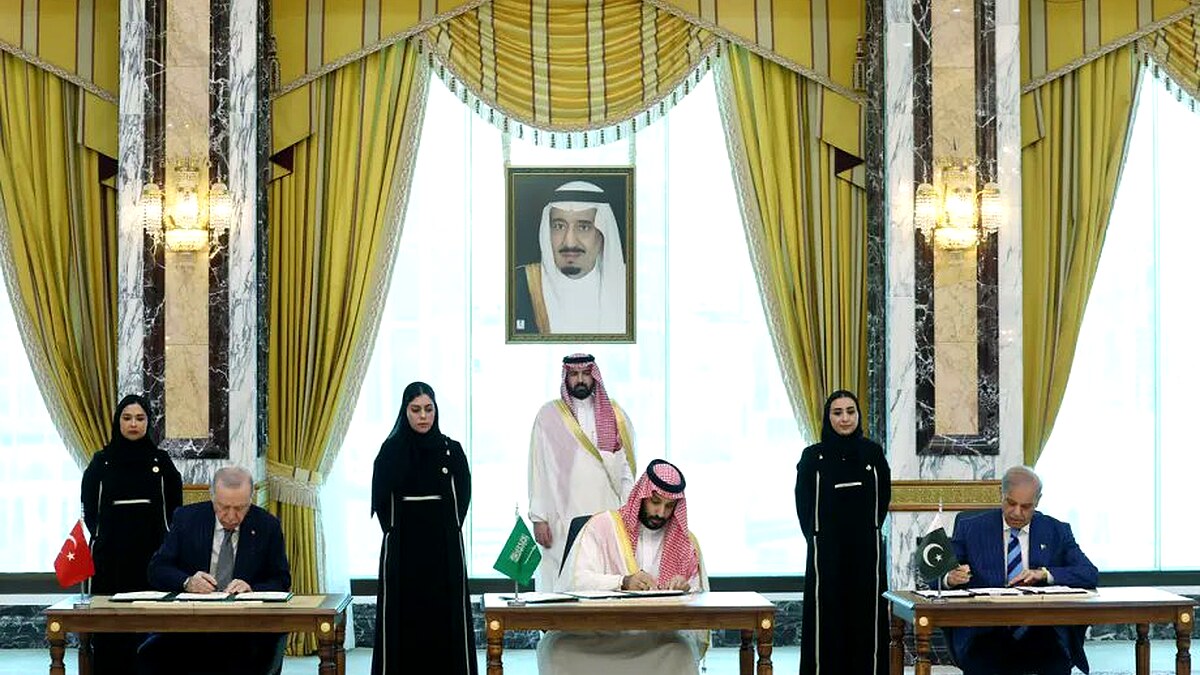


ISLAMABAD: Pakistan is set to host a pivotal meeting of the Makkah Defence Alliance’s Strategic Political and Defence Committee (SPDC) in Islamabad on November 26-27. This gathering marks a significant moment for the trilateral defence pact.
This will be the first SPDC session since Türkiye’s ratification law took effect on November 14, legally binding all three signatories. Pakistan, Saudi Arabia, and Türkiye are now formally committed to the collective defence pact.
Senior military, political, and diplomatic leadership from the three nations are expected to attend. Delegations are scheduled to arrive ahead of Friday’s deliberations.
The meeting is anticipated to draw Army Chiefs, Defence Ministers, and Foreign Ministers. Their presence underscores the high-level commitment to this alliance.
Discussions will focus on several critical areas, including the institutional framework for collective defence. This aims to translate political understanding into practical mechanisms.
More on this topic: Pakistan Defence & Security · All topics
Military and technical coordination will also be a key agenda item. Enhanced interoperability and joint capabilities are central to the alliance’s objectives.
Regional security dynamics will be thoroughly addressed during the meeting. Evolving challenges across the Middle East and wider region are of paramount concern.
Specific threats like Houthi attacks and disruptions to Red Sea maritime traffic will be discussed. Regional tensions involving Iran will also feature in the deliberations.
This Islamabad meeting follows previous SPDC sessions. The inaugural meeting was held in Istanbul on August 31, and an emergency session took place in Riyadh on October 5, 2026.
The current meeting represents a crucial step towards a more structured framework for regional security cooperation. It builds upon the existing political and defence understanding among the three nations.
A central question remains how these collective defence commitments will translate into practical institutional, military, and operational mechanisms. The alliance seeks tangible outcomes.
As regional security continues to evolve, the Islamabad deliberations will be vital. They will define the future direction and effectiveness of this trilateral defence framework.
More on this topic: Defence & Security →