

ISLAMABAD:
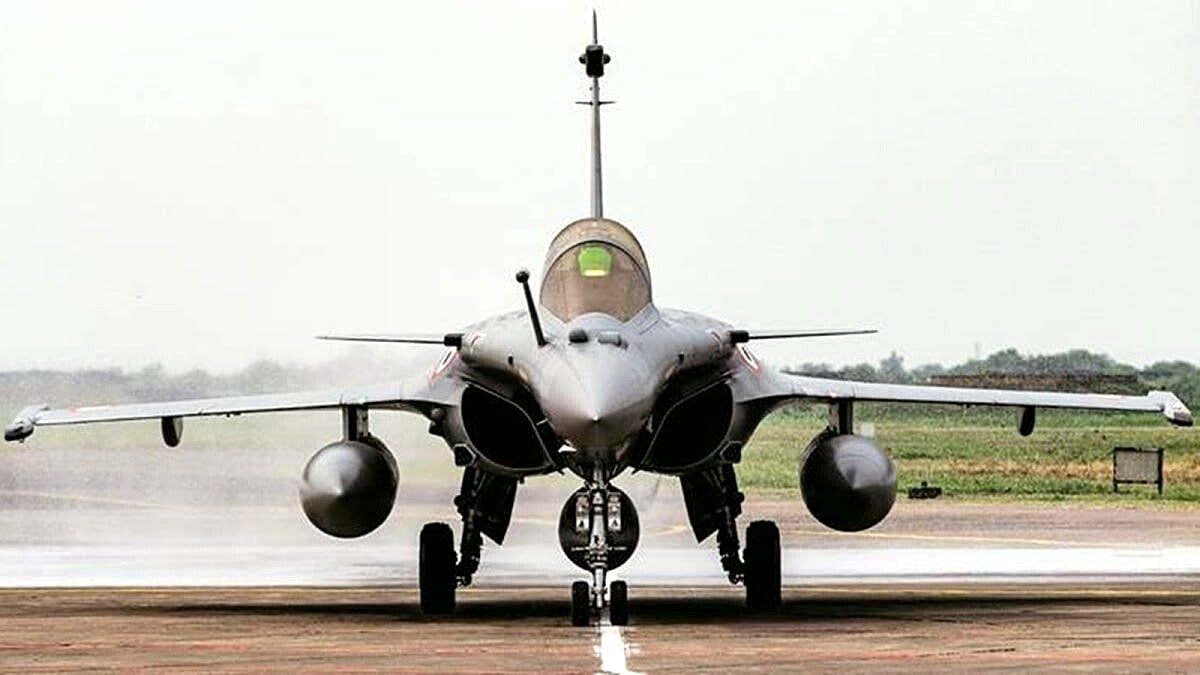
India’s acquisition of Rafale fighter jets from France has become a subject of intense debate and scrutiny within the country. While the Indian Air Force (IAF) has integrated these advanced aircraft into its fleet, questions persist about the terms of the deal.
The controversy primarily revolves around the pricing of the jets and the perceived lack of transparency in the procurement process. Critics argue that the per-jet cost agreed upon was significantly higher than initially anticipated.
This has led to accusations of irregularities and a lack of competitive bidding. Opposition parties in India have consistently raised these concerns, demanding greater accountability from the government.
The deal, signed in 2016, involved the purchase of 36 Rafale fighter jets from Dassault Aviation. It was hailed as a significant boost to India’s air power capabilities.
More on this topic: Pakistan Defence & Security · All topics
However, the specifics of the financial package and the offset clauses have remained a focal point of criticism. Concerns have been raised about the value for money and the potential impact on India’s defence budget.
The Indian government has, on multiple occasions, defended the deal, asserting that it secured the best possible terms for the nation. They maintain that the Rafale jets are crucial for maintaining air superiority.
Officials have also pointed to the technological advantages and operational readiness that these aircraft bring to the IAF. The jets are equipped with state-of-the-art weaponry and electronic warfare systems.
Despite these assurances, the debate continues to simmer. The opposition has called for parliamentary oversight and a thorough investigation into the financial aspects of the procurement.
The controversy highlights the complex challenges involved in major defence acquisitions. Balancing strategic needs with fiscal prudence is a constant challenge for any nation.
The ongoing discussion underscores the importance of transparency and robust scrutiny in defence deals. It also reflects the deep public interest in how taxpayer money is utilized for national security.
The future implications of this controversy on India’s defence procurement policies remain to be seen. It has undoubtedly set a precedent for future major acquisitions.
Source: msn