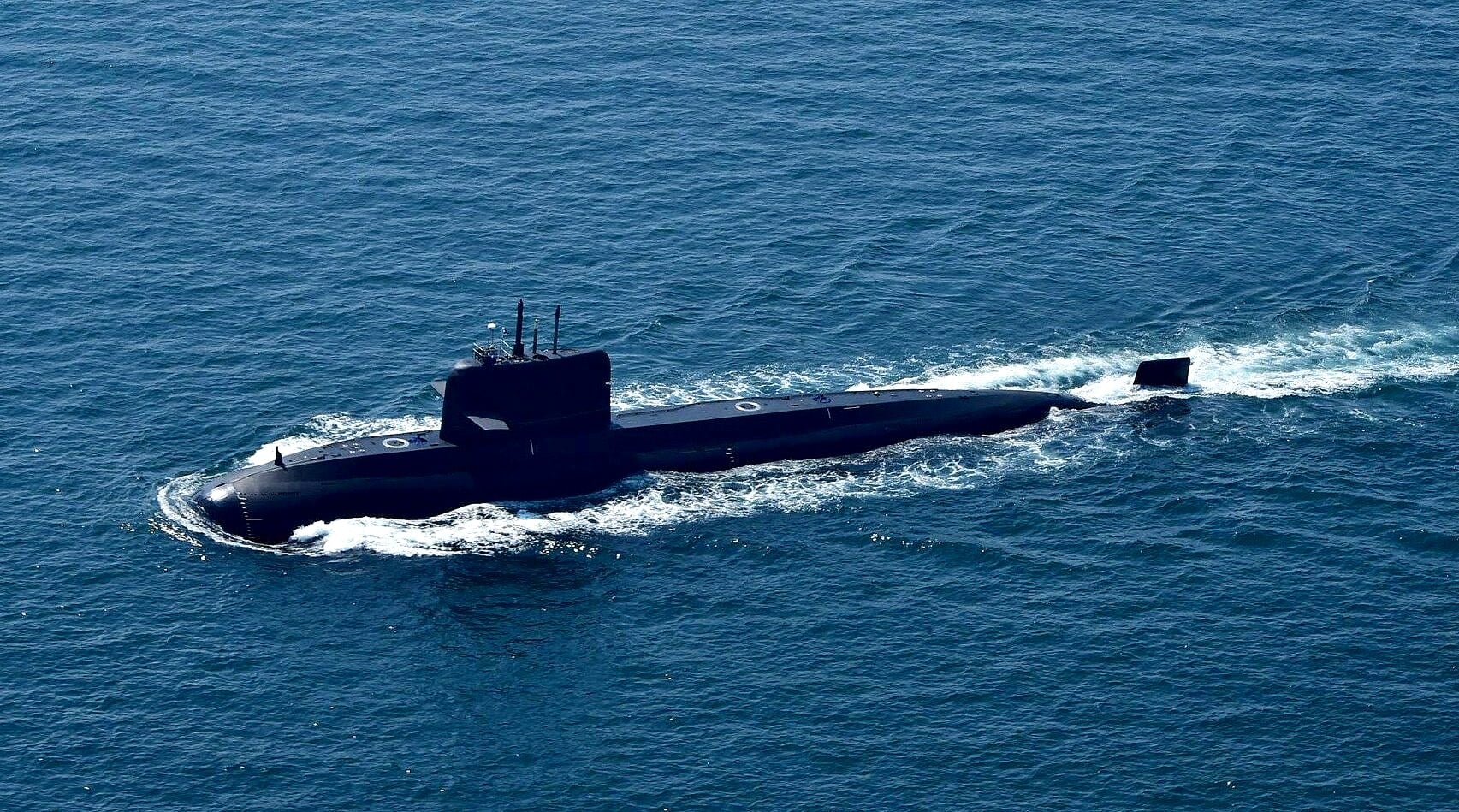




ISLAMABAD: In a significant escalation of regional tensions, Pakistan has raised concerns over India’s advancing nuclear submarine program, a move that could potentially destabilize the delicate balance of power in South Asia. This development raises critical questions about the implications for strategic stability in the region and the potential for an arms race.
The alarm was sounded by Pakistan’s military leadership, who expressed concerns that India’s pursuit of nuclear submarines would enhance its second-strike capability. This capability allows a nation to respond with nuclear weapons even after sustaining a nuclear attack, fundamentally altering the strategic calculus between the two nations. According to statements from the Pakistan Army, this advancement could lead to an arms race that would undermine peace and security in the region.
Why is this development particularly alarming? The introduction of nuclear submarines into India’s naval fleet could provide it with a stealthy platform for launching nuclear weapons, thus complicating the security dynamics between Pakistan and India. The potential for an underwater nuclear deterrent adds a new layer of complexity to the existing tensions, which have historically been characterized by land and air capabilities.
The Pakistani military emphasized the need for strategic stability, calling on the international community to recognize the risks associated with India’s nuclear ambitions. They argue that the development of such capabilities by India could prompt Pakistan to reassess its own defense strategies, leading to an escalation of military expenditures and a shift in focus towards enhancing its own naval capabilities. This situation has the potential to spiral into an arms race, where both nations feel compelled to continuously upgrade their military technologies to maintain a balance.
Further complicating the issue is the geopolitical context in which these developments are occurring. The Indian government has been vocal about its aspirations to enhance its military capabilities, often citing the need to counter perceived threats from Pakistan and China. This narrative has been met with skepticism by Pakistan, which views India’s military modernization as a direct threat to its national security.
In response to these developments, Pakistan is likely to seek closer ties with its allies, particularly China, which has historically supported Pakistan’s defense initiatives. The strategic partnership between Pakistan and China could be further solidified as both nations navigate the challenges posed by India’s nuclear submarine program. This partnership not only includes military cooperation but also economic ties, as seen in projects like the China-Pakistan Economic Corridor (CPEC).
Source: Dawn