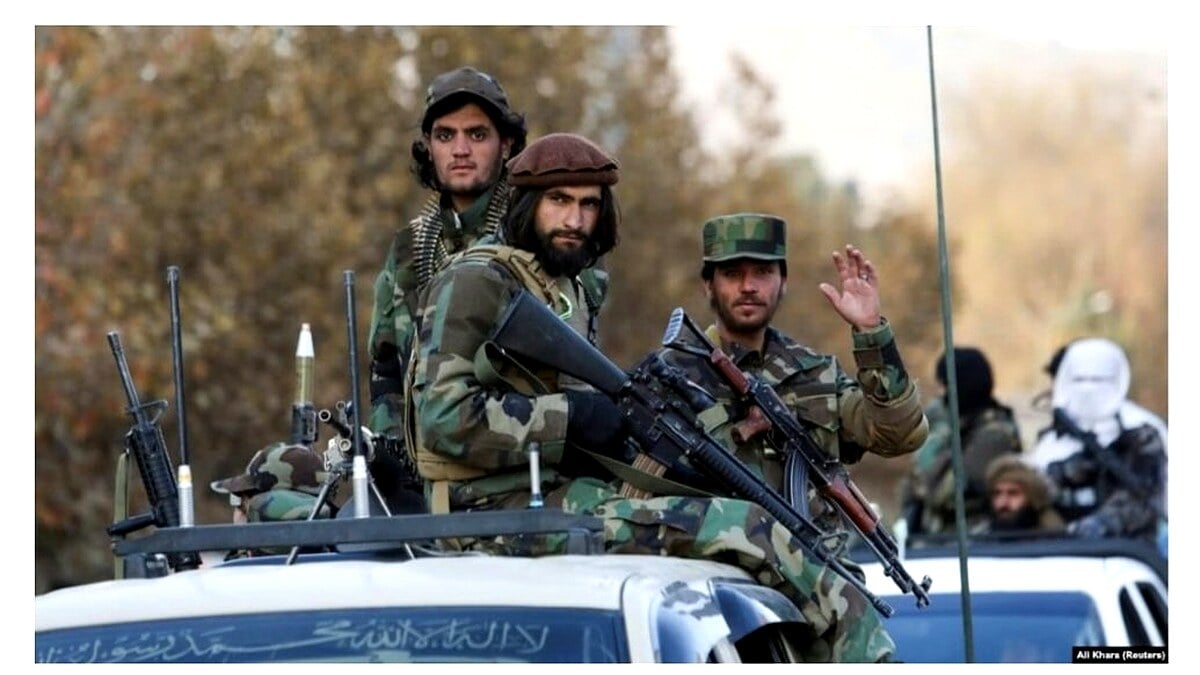


ISLAMABAD: Recent developments within the Taliban leadership have raised eyebrows, particularly regarding Supreme Leader Mullah Hibatullah Akhundzada’s stern stance towards fighters engaging in jihad without prior permission. This unexpected turn of events reflects the internal challenges the Taliban faces amid growing pressure from Pakistan.
In a recent statement, Mullah Hibatullah expressed his dissatisfaction with fighters who have left their designated areas without seeking approval from the leadership. His remarks, circulated in Taliban messaging groups, indicate a clear directive for officials to ensure that these individuals return to their assigned locations. He emphasized that those who act independently are defying the Taliban’s leadership and will no longer be able to claim allegiance to the Islamic Emirate.
This internal discord comes at a time when Pakistan is maintaining its Afghan strategy, firmly believing that increasing pressure on the Taliban government is yielding results. Reports suggest that Kabul is taking steps to address Islamabad’s concerns, although the effectiveness of these measures remains uncertain.
According to sources from The Express Tribune, there have been no confirmed communications or negotiations between Pakistan and the Afghan Taliban in Doha, contradicting some circulating narratives. Islamabad remains steadfast in its strategy, emphasizing that it will continue its current policy until the Taliban takes verifiable action against the Tehrik-i-Taliban Pakistan (TTP) and other terrorist organizations.
Interestingly, the Taliban has recently detained several TTP militants, although the circumstances surrounding these arrests are still unclear. This could signify the beginning of a response to Pakistan’s sustained pressure, but skepticism remains regarding whether these detentions are temporary or indicative of a more permanent shift in policy.
Mullah Hibatullah’s recent directives are being interpreted by Islamabad officials as a potentially positive development. However, they are withholding final judgment until it becomes evident whether the Taliban leadership can enforce these orders effectively on the ground.
The Taliban’s apparent flexibility may also be influenced by the economic repercussions of ongoing border closures and the suspension of bilateral trade with Pakistan. A recent World Bank review highlights that Afghanistan’s economy is facing significant challenges, predicting a 3.3% decline in per capita GDP by 2026, marking the third consecutive year of economic contraction. Additionally, exports from Afghanistan saw a 15.1% decrease between April and September.
While the Taliban has attempted to diversify its economic and diplomatic relations, sources indicate that deteriorating ties with Pakistan pose a substantial obstacle to regional connectivity and economic cooperation. The implications of these developments are profound, raising questions about the future stability of the Taliban regime.
Source: Express Urdu
More on this topic: Defence & Security →