



ISLAMABAD: In the intricate world of international relations, the dynamics of friendship often hinge on interests rather than sentiments. For Pakistan, strategically positioned at the crossroads of South Asia, Central Asia, and the Gulf, a significant achievement has been its ability to maintain a balanced foreign policy, deftly navigating relationships with both the United States and China. This approach is beginning to yield tangible benefits, exemplified by recent developments in the mining and energy sectors.
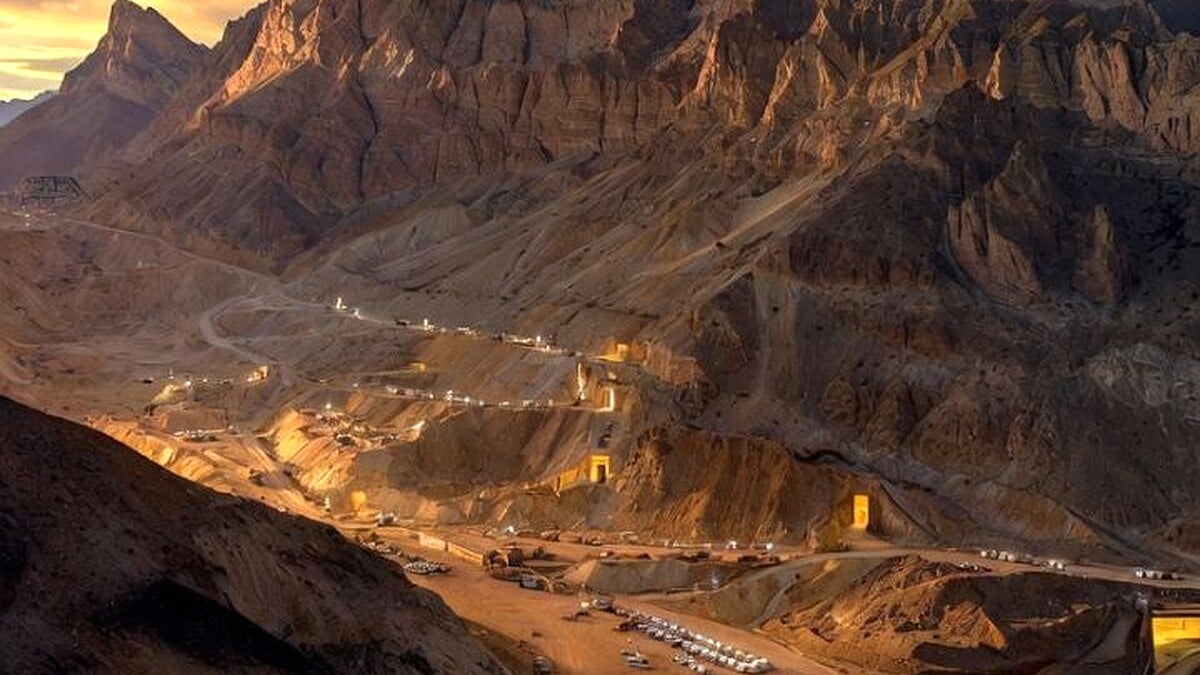
The Reko Diq project stands as a testament to this balanced strategy. The US Export-Import Bank has recently approved a substantial financing package of $1.25 billion for the Chagai copper-gold project, which is expected to inject up to $2 billion worth of American mining equipment and services into Pakistan. This initiative has been lauded by Washington as a model of mutually beneficial cooperation, reflecting a commercial vote of confidence rather than mere aid. The International Finance Corporation and the Asian Development Bank have also joined in this venture, underscoring the years of persistent efforts by the Pakistani government to reposition Reko Diq as a flagship of international partnership.
The transformation of Reko Diq from a project embroiled in international arbitration to a collaborative venture between the federal government, Balochistan, and a leading global mining company marks a significant milestone. The resolution of past disputes and the establishment of a joint venture demonstrate Pakistan’s maturation in negotiating with international investors, utilizing contracts, guarantees, and dispute resolution mechanisms effectively.
This momentum extends beyond Reko Diq. A $500 million memorandum of understanding between the Frontier Works Organization and US Strategic Metals, signed in September 2025, has paved the way for Pakistan’s inaugural shipment of rare earths and critical minerals to the United States. This partnership signals a broader trend of collaboration between Pakistani and American firms. Through the Special Investment Facilitation Council and various governmental initiatives, Pakistan has made it clear that its natural resources are available for responsible, value-adding investments.
Energy cooperation further complements this evolving landscape. In October 2025, Pakistan received its first cargo of American crude oil, with Cnergyico importing approximately 8.1 million barrels since then. The financial implications are notable, with payments for US imports rising by $914 million to reach $3.27 billion in the last fiscal year. Amidst instability in Gulf shipping, this diversification enhances Pakistan’s energy security while also contributing to a more balanced bilateral trade relationship. The strategic use of energy as a diplomatic tool has proven effective for Islamabad.
Crucially, none of these advancements have come at the expense of Pakistan’s longstanding relationship with China. Beijing continues to be a vital partner in various sectors, reinforcing the importance of a multi-faceted foreign policy that prioritizes national interests while fostering international cooperation.
Source: pakobserver