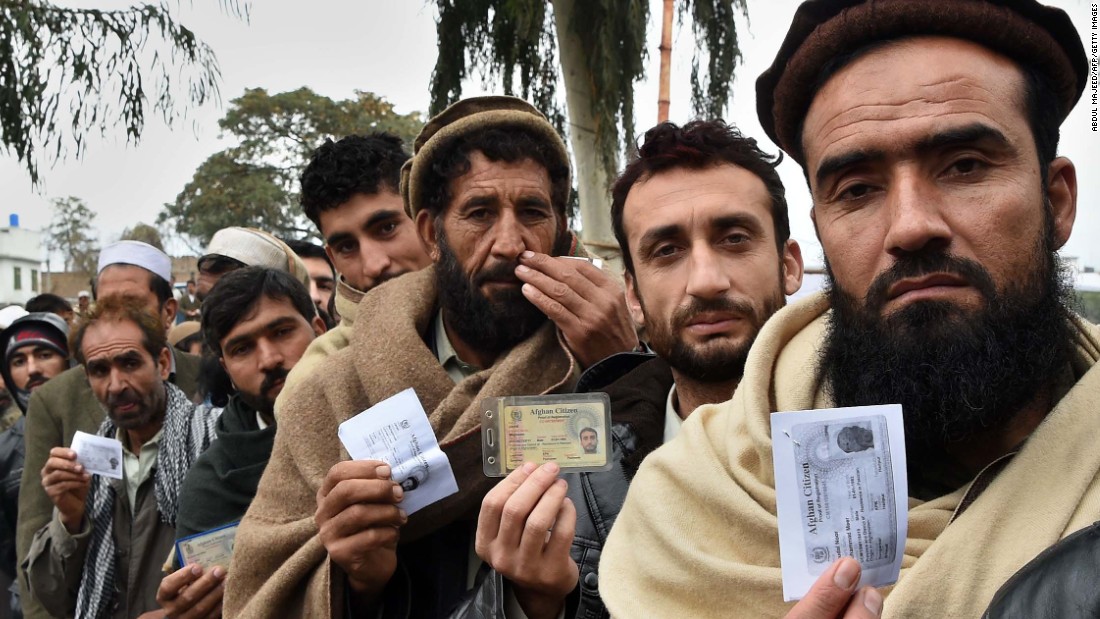




ISLAMABAD: Switzerland and Pakistan have engaged in crucial discussions regarding the humanitarian crisis in Afghanistan and the challenges faced by Afghan refugees. This meeting, held in Islamabad, aimed to enhance international cooperation on refugee protection and humanitarian assistance.
On November 20, the Swiss Embassy in Pakistan announced that Swiss Ambassador Stéphane Rey met with Pakistan’s Special Representative for Afghanistan, Mohammad Sadiq Khan. The agenda included humanitarian management, support for Afghan refugees, and progress on the Solutions Strategy for Afghan Refugees (SSAR). The SSAR framework, currently chaired by the Swiss government, is designed to bolster protection for Afghan refugees while fostering solutions that involve the countries of origin, host nations, and international partners.
Ambassador Rey and Special Representative Khan’s dialogue focused on enhancing cooperation and pinpointing strategies to meet the humanitarian needs of Afghans. They expressed a commitment to advancing sustainable solutions for displaced communities, underscoring the urgency of the situation.
While Khan acknowledged the discussions in a statement, he refrained from disclosing specific commitments or outcomes from the meeting. However, he did highlight the mutual interests shared by both nations, including regional developments and humanitarian concerns affecting Afghan citizens.
The backdrop of this meeting is Pakistan’s ongoing policy to return undocumented Afghan nationals and various categories of Afghan refugees. This policy has intensified pressure on families who have resided in Pakistan for years, prompting significant concern among humanitarian organizations.
Recent data from the UN refugee agency (UNHCR) and the International Organization for Migration (IOM) reveals that the scale of Afghan returns has been substantial. As of November 7, approximately 1.41 million Afghans returned to Afghanistan from neighboring countries in 2026 alone, with around 727,000 coming from Pakistan and 681,100 from Iran. These figures encompass both voluntary returns and deportations.
A separate IOM report, covering the period from September 15, 2023, to September 15, 2026, recorded over 2.72 million Afghan returns through Pakistan’s border crossings. The report indicated that fear of arrest was the primary reason cited by surveyed Afghan returnees for leaving Pakistan.
The ongoing returns have raised significant concerns among humanitarian organizations regarding Afghanistan’s ability to accommodate such large numbers of returnees. The country is grappling with economic challenges, limited job opportunities, and an already fragile humanitarian landscape. The discussions between Switzerland and Pakistan come at a critical time when international organizations are urging coordinated support for Afghan refugees, emphasizing the need to protect vulnerable families and create sustainable solutions that allow displaced Afghans to rebuild their lives.
Source: khaama