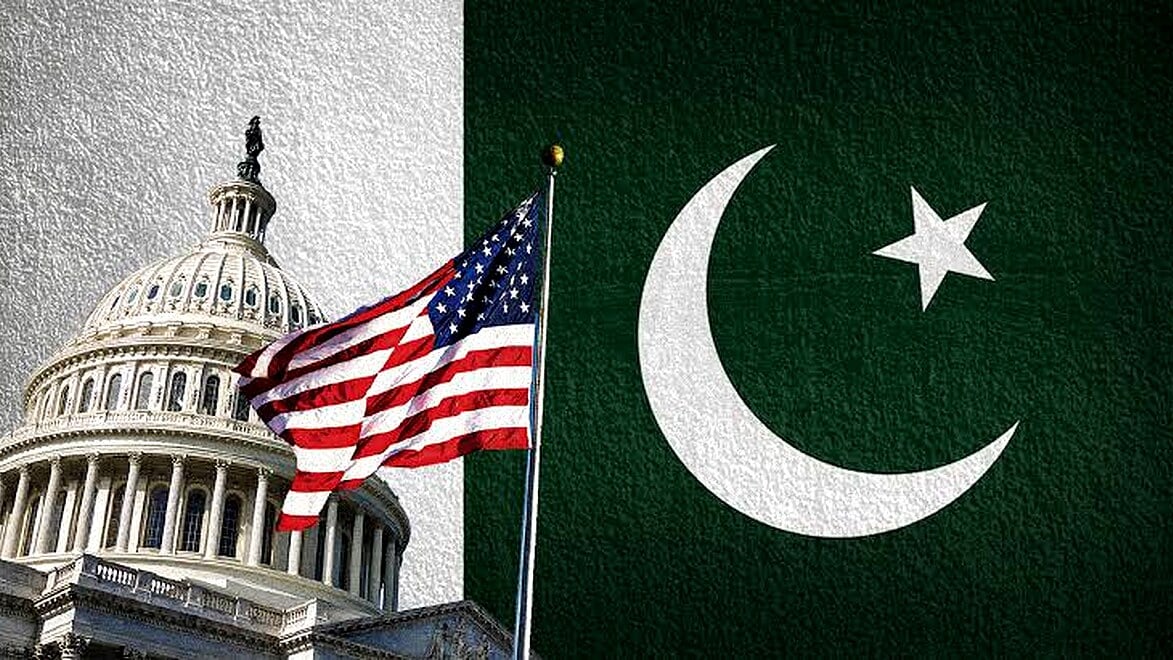




ISLAMABAD: In a world increasingly polarized by geopolitical tensions, Pakistan finds itself walking a tightrope between two global superpowers—Washington and Beijing. This balancing act is not just a diplomatic necessity but a critical strategy for safeguarding its national interests amid shifting international dynamics.
The relationship with the United States has historically been fraught with ups and downs. After the post-9/11 era, Pakistan aligned closely with Washington, primarily due to security cooperation. However, as U.S. foreign policy has evolved, particularly with the withdrawal from Afghanistan, Pakistan has had to reassess its position. The recent U.S. sanctions and the growing emphasis on Indo-Pacific strategies have further complicated this relationship, prompting Islamabad to explore deeper ties with Beijing.
On the other hand, China’s rise as a global economic powerhouse offers Pakistan significant opportunities. The China-Pakistan Economic Corridor (CPEC), a flagship project under China’s Belt and Road Initiative, has been a game-changer for Pakistan’s infrastructure and economic development. The $62 billion investment is expected to create thousands of jobs and spur economic growth, making Beijing an indispensable partner for Islamabad.
Yet, the question remains: how can Pakistan maintain its sovereignty while fostering these crucial relationships? The answer lies in a carefully crafted diplomatic strategy that emphasizes mutual respect and non-interference. Pakistan has been vocal about its intent to remain neutral in U.S.-China tensions, advocating for dialogue and cooperation rather than confrontation.
As the U.S. continues to strengthen its alliances in the region, particularly with India, Pakistan’s strategic importance is likely to increase. The U.S. sees Pakistan as a key player in stabilizing Afghanistan and countering extremism, while also recognizing its role in the broader context of South Asian security. This recognition could lead to renewed engagement, but it also raises concerns about the potential for Pakistan to be caught in the crossfire of U.S.-China rivalry.
Moreover, Pakistan’s military leadership has been proactive in addressing these challenges. Chief of Army Staff General Syed Asim Munir has emphasized the need for a balanced foreign policy that prioritizes national interests. This approach aims to enhance Pakistan’s strategic autonomy while fostering economic ties with both Washington and Beijing.
The recent high-level visits between Pakistani and Chinese officials underscore the commitment to deepening bilateral ties. Pakistan’s Prime Minister Shehbaz Sharif’s visit to Beijing in October 2023, where he discussed trade, investment, and regional security, reflects this intent. Similarly, U.S. Secretary of State Antony Blinken’s visit to Islamabad earlier this year highlighted the importance of U.S.-Pakistan relations, particularly in counter-terrorism efforts.
Source: pakobserver