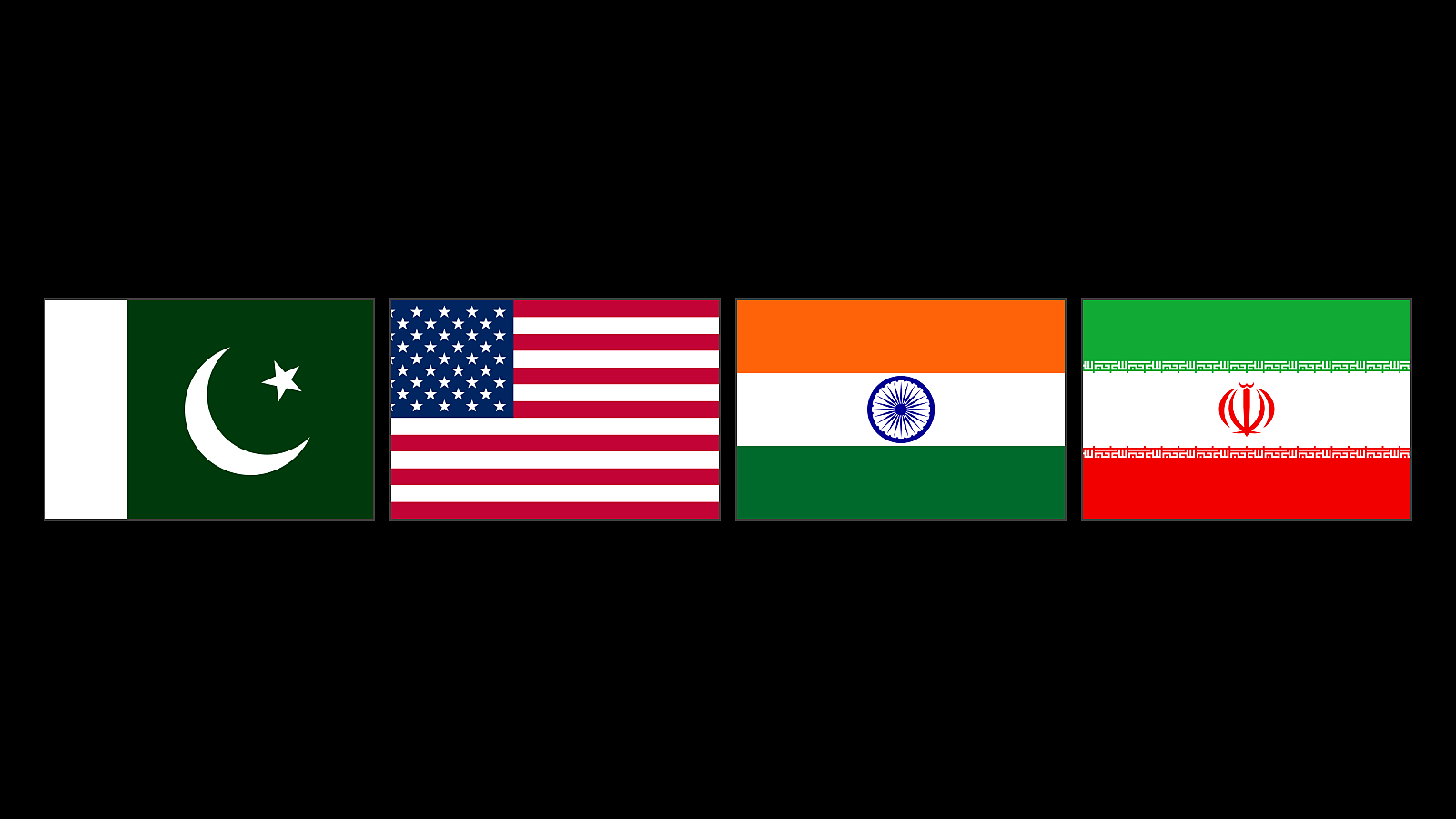




ISLAMABAD: Recent developments suggest that Pakistan is playing a pivotal role in mediating discussions between the United States and Iran, a move that could reshape the dynamics of regional stability. This unexpected diplomatic engagement has sparked interest and curiosity about the implications for both countries and the broader geopolitical landscape.
Pakistan’s Foreign Minister, Ishaq Dar, has publicly confirmed that Islamabad is facilitating indirect communications between Washington and Tehran. He stated, “US-Iran indirect talks are taking place through messages being relayed by Pakistan.” This statement highlights Pakistan’s strategic position as a mediator, aiming to ease tensions that have long plagued U.S.-Iran relations.
The backdrop to this diplomatic initiative is significant. In October 2026, Iran’s ambassador to Pakistan, Reza Amiri Moghadam, indicated that Tehran is willing to reopen the crucial Strait of Hormuz, contingent upon the U.S. lifting its naval blockade. Moghadam criticized former U.S. President Donald Trump for rejecting this proposal, which could have led to a de-escalation of tensions in the region. This willingness to negotiate signals a potential thaw in relations, facilitated by Pakistan’s intermediary role.
The implications of Pakistan’s mediation efforts are profound. By stepping into this role, Pakistan is not only enhancing its diplomatic stature but also actively contributing to regional peace. The ongoing conflict between the U.S. and Iran has far-reaching consequences, affecting not just the two nations but also their allies and neighboring countries. A successful mediation could potentially lead to a more stable Middle East, which is in the interest of all parties involved.
As these diplomatic initiatives unfold, questions remain about the future of U.S.-Iran relations. Will the indirect talks lead to a formal agreement? What concessions might be made by both sides? The answers to these questions will likely shape the geopolitical landscape in the coming months.
Moreover, the role of other regional players cannot be overlooked. Saudi Arabia and Turkey’s involvement in the discussions highlights a collective regional effort to address the tensions between the U.S. and Iran. This collaboration may signal a shift towards more cooperative regional diplomacy, which could further enhance regional stability.
Source: Dawn