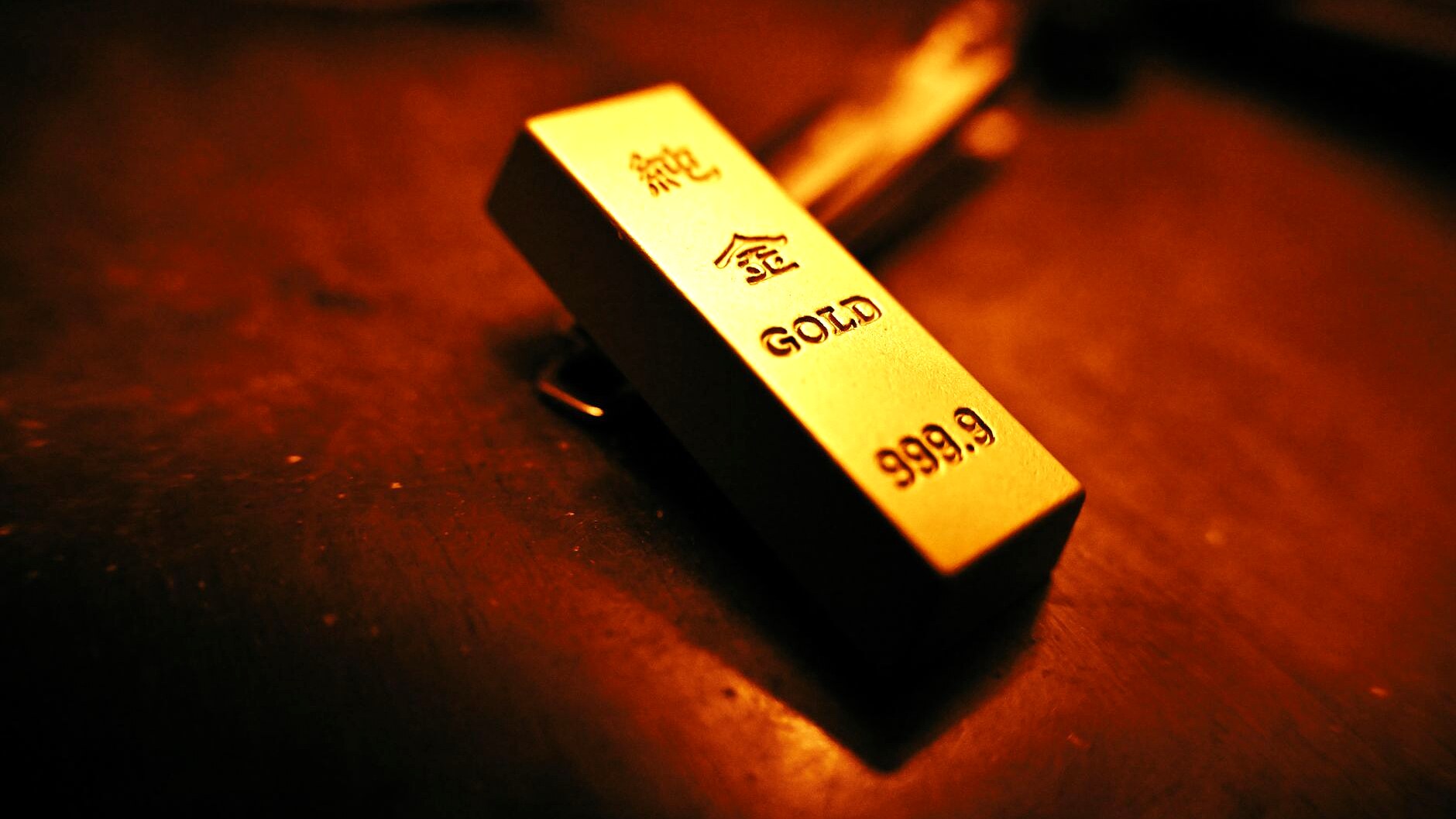




ISLAMABAD: The gold market in Pakistan has witnessed a staggering drop in prices, with rates plummeting by Rs 15,400 per tola. This significant decline has raised eyebrows and sparked discussions among economists, investors, and consumers alike. What does this mean for the average Pakistani and the broader economic landscape?
The latest figures indicate that gold prices have fallen sharply, now standing at a new low that could reshape consumer behavior and investment strategies. The current price of gold is a crucial indicator of economic health, often reflecting inflation rates, currency stability, and international market trends.
Impact on Consumers
For everyday consumers, this drop in gold prices could mean a potential increase in purchasing power. Many individuals view gold as a safe investment, particularly in uncertain economic times. With prices now more accessible, it may incentivize purchases for weddings, religious ceremonies, or as a hedge against inflation.
However, this decline also raises questions about the future trajectory of gold prices. Will this drop be a short-term fluctuation, or does it signal a more prolonged trend? The uncertainty surrounding global markets and local economic conditions complicates the outlook.
Market Reactions and Investor Sentiment
Investors are closely monitoring the situation. A decline of this magnitude can lead to a mixed response in the market. Some investors may see it as an opportunity to buy at lower prices, while others may adopt a wait-and-see approach, concerned about further volatility.
The fluctuation in gold prices often correlates with changes in the international market, particularly in response to geopolitical events and economic data releases. Analysts suggest that the recent drop could be influenced by a stronger Pakistani Rupee against the US Dollar and changes in global demand for gold.
Economic Implications
The implications of falling gold prices extend beyond individual consumers and investors. For the Pakistani economy, gold is a significant commodity, often affecting trade balances and foreign reserves. A decrease in gold prices can lead to a reduction in export revenues for jewelers and gold traders, potentially impacting employment in these sectors.
Moreover, lower gold prices can affect inflation rates. Traditionally, gold prices rise during inflationary periods as consumers seek safe-haven assets. If prices continue to decline, it may indicate a stabilization of inflation, which could have broader implications for monetary policy and economic growth.
Future Outlook
As the dust settles from this significant price drop, the key question remains: what’s next for gold in Pakistan? Analysts are divided on their predictions. Some foresee a potential rebound as global economic conditions shift, while others warn of continued volatility driven by external factors.
The gold market is notoriously unpredictable, influenced by a myriad of factors including global economic conditions.
Source: Aaj TV